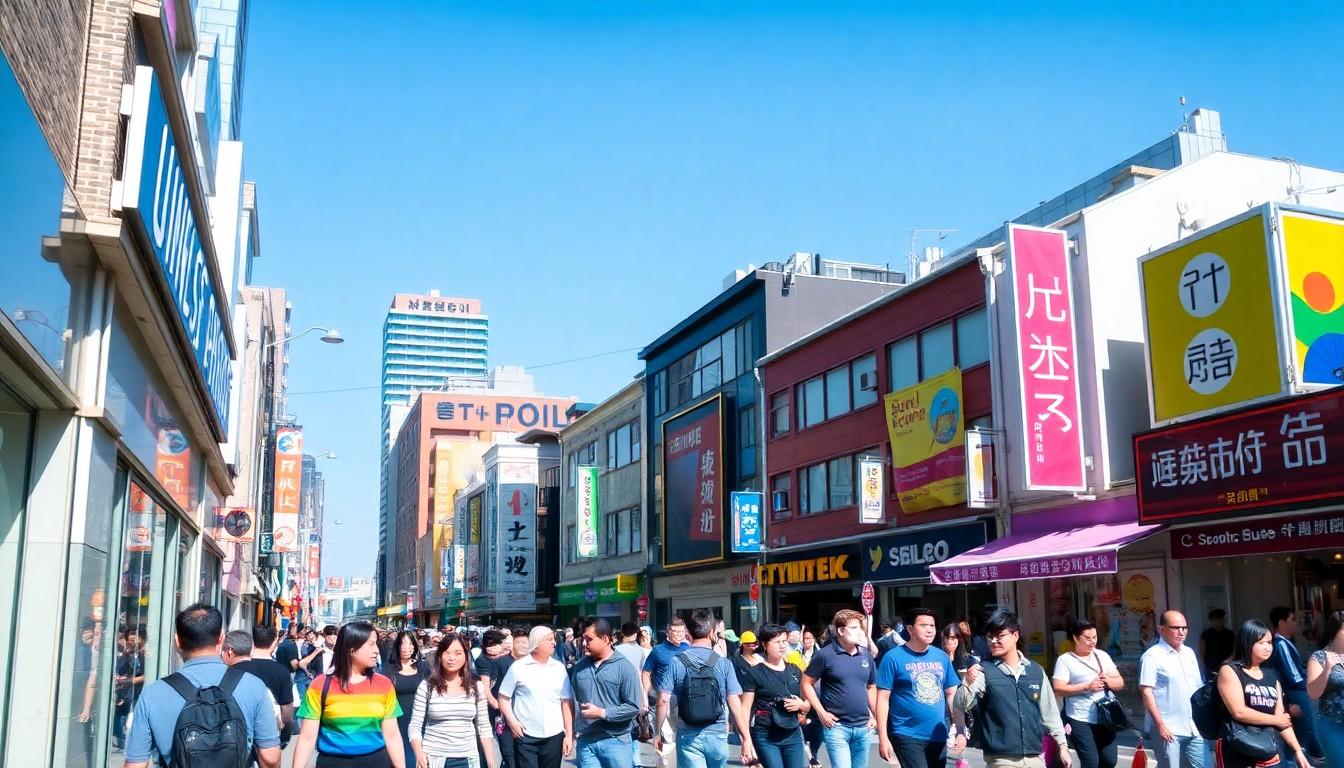
Crowds are swelling: tens of thousands packed central Seoul this June for the Seoul Queer Culture Festival, a vivid, loud push for LGBTQ rights in a country where legal protections lag behind public visibility and traditional attitudes. The turnout highlights shifting social scenes and the persistent fight for an anti-discrimination law.
Essential Takeaways
- Massive turnout: Organisers and reporters put attendance in the low tens of thousands, filling central Seoul with colour and sound.
- Vivid atmosphere: Drag stages, stalls offering free HIV tests, and upbeat music created an open, celebratory feel despite 30°C heat.
- Conservative pushback: Counter-demonstrations by Christian groups remained close by, calling homosexuality sinful and urging a "healthy Korea."
- Legal gap: South Korea still lacks a comprehensive anti-discrimination law protecting sexual minorities after decades of stalled legislation.
- International solidarity: Around 20 mostly European embassies publicly voiced support for LGBTQ equality; the US embassy notably did not join.
A festival that looks like progress , but feels like a fight
The dominant image from Seoul was colourful and joyful: rainbow flags snapping in the summer air, drag performers drawing cheers, and stalls handing out free HIV tests. Reports say more than 10,000 people turned up, creating a buoyant, communal energy that felt both celebratory and defiant. According to Reuters and other coverage, that visible joy sits alongside sharp social tensions , the party mood doesn't erase the political reality.
Historically, Seoul Pride began in 2000 with a handful of participants; today it reads as a barometer of changing urban attitudes. Still, for many attendees the festival is less a victory lap than a necessary public assertion of presence. If you were there, you’d notice the mix: young people discovering community for the first time, activists handing out information, and families watching from the fringes.
One city, two publics: why counter-rallies still matter
Only a few streets away from the festivities, thousands gathered in a church-led counter-rally chanting for a “healthy Korea” and calling homosexuality sinful. The juxtaposition was stark , a bright Pride march and a sombre, hymn-driven opposition framed as moral defence. Coverage from local papers and dpa highlighted how entrenched conservative religious politics remain a force in public life.
That opposition isn’t just loud noise; it shapes politics. Politicians weigh cultural backlash and electoral consequences when considering LGBT protections. For readers wondering why progress stalls, this is the clearest explanation: the social cost of alienating conservative voters still deters legislative courage.
Law on pause: the stalled anti-discrimination fight
Decades of debate over an anti-discrimination law protecting sexual minorities have produced little concrete change. Reports show a draft has been stalled in the National Assembly for roughly 20 years, with successive administrations unwilling to champion it. Even the head of the national human rights commission has argued against a comprehensive law, citing concerns about free speech.
That legal vacuum means the community often relies on local policies, civil-society programmes, and embassy statements for protection and advocacy. If you’re looking to understand the stakes, think less about parades and more about everyday rights: workplace fairness, school safety, and legal recourse against harassment.
International support , symbolic but significant
Around 20 predominantly European embassies issued a joint statement backing LGBTQ people in South Korea, saying anti-discrimination action strengthens social cohesion and economic development. The German embassy was among the signatories; diplomats’ presence adds international pressure and moral support, even if it doesn’t translate immediately into law.
Notably, the US embassy did not join this year, a change from past practice. Such diplomatic choices send subtle signals about global alignments and how embassies balance local sensitivities with human-rights advocacy.
Where pop culture and public opinion diverge
South Korea often reads as a global cultural powerhouse , K-pop, TV dramas, fashion , but that cultural modernity doesn’t always equal social liberalism. Commentators note a gap: while queer visibility grows in media and urban life, societal attitudes and legal frameworks remain comparatively conservative among OECD peers.
For people wondering what matters next, the work is twofold: continue visible, public affirmation through festivals and outreach, and push for concrete legal protections. Practical activism can take simple forms , supporting community health services, donating to local NGOs, or writing to MPs , all of which keep momentum alive.
It's a small change that can make every public moment safer and more meaningful.
Source Reference Map
Story idea inspired by: [1]
Sources by paragraph: