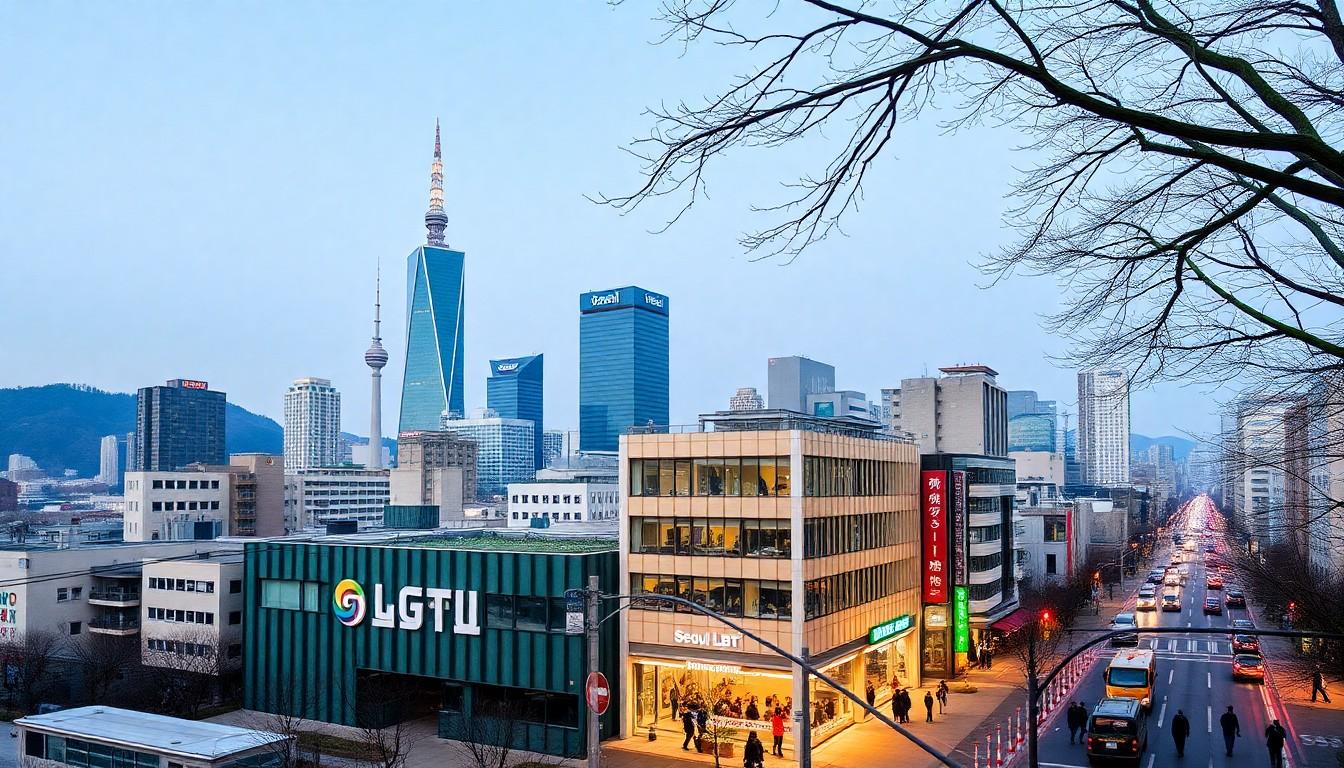
Shoppers, office workers and families watched as tens of thousands filled central Seoul for Pride, while a large conservative Christian counter‑rally mobilised nearby , a vivid snapshot of South Korea’s culture wars and why LGBT+ rights remain such a live issue.
Essential Takeaways
- Huge turnout: Organisers and reporters noted six‑figure crowds across events, with Pride drawing tens of thousands and conservative rallies also claiming large numbers.
- Permit row: City authorities, local politicians and police sparred over plazas and permits, but restrictions didn’t stop mass attendance.
- No major clashes: Observers reported that despite proximity, direct confrontations were largely avoided and events stayed mostly peaceful.
- Legal gap: Same‑sex marriage remains illegal in South Korea, and comprehensive anti‑discrimination legislation has stalled, keeping the political stakes high.
Tens of thousands marched , and Seoul felt it
Seoul’s streets were alive, bright and noisy as Pride filled the city centre, with flags, music and a steady hum of conversation. According to on‑the‑ground reporting and organiser estimates, hundreds of thousands passed through festival areas over the day, while a rival conservative Christian mobilisation drew its own large crowd a short walk away. Reuters and regional outlets described a powerful visual contrast between celebratory floats and stern banners, which made the day feel less like a single event and more like a public referendum on values.
The backstory is familiar: Pride in Seoul has grown year on year, even as officials have tried to limit access to prime public spaces. City decisions over permits have provoked legal fights and political rows, but that hasn’t stopped people turning up in force. For anyone watching from outside Korea, it’s a reminder that civic life here is highly engaged , and often visibly divided.
Why permits and plazas became part of the story
This year’s Pride again bumped up against municipal restrictions, with Seoul’s choice of official plazas a contested piece of theatre. Local authorities attempted to control where large queer events could use public spaces, a move organisers said was politically motivated. News outlets reported that despite rejections for some high‑profile sites, walkouts and satellite events kept the festival sprawling and hard to contain.
If you’re planning to attend next year, expect logistics to matter: check official Pride channels, arrive early and be ready for redirected routes. For the LGBT+ movement, the permit battles aren’t just about space , they’re symbolic fights over visibility and civic recognition.
A big conservative push, too , what that looked like
Not far from the Pride parade, conservative Christian groups staged their own mass rally and march, with organisers claiming equally impressive numbers. Reports described a solemn, determined atmosphere: banners, processions and speeches focused on traditional family values and opposition to same‑sex marriage and pro‑LGBT+ laws. Organisers framed their turnout as a corrective to what they see as rapid social change.
Observers noted the scale of both gatherings suggests broad mobilisation on both sides. It’s not just fringe activism anymore; these are large, organised displays intended to influence public opinion and policymakers.
Peaceful but tense , how authorities managed two big events
Police and city officials walked a tight line, aiming to prevent clashes while overseeing simultaneous marches within walking distance. Coverage emphasised that, unlike some past years, there were no major violent confrontations reported. That said, the proximity of rival crowds created a charged, sometimes uncomfortable atmosphere for people simply trying to enjoy the festival.
Practical tip: if you’re attending contentious public events, keep exits and meeting points agreed with friends, carry a charged phone and be mindful of officers’ instructions. Staying aware and calm helps keep a day of protest also a day of safety.
What this means for LGBT+ rights in South Korea
At root, the demonstrations underline a political reality: South Korea has yet to legalise same‑sex marriage, and attempts to pass broad anti‑discrimination laws have repeatedly stalled. Pride has become both celebration and political pressure campaign, while conservative rallies are a clear signal to politicians that change won’t come without a fight.
Looking ahead, expect both more visible Pride events and continued pushback from conservative groups. For advocates on either side, the streets of Seoul are the most immediate battleground , and public sentiment, amplified by massive demonstrations, will shape lawmakers’ calculations.
It's a small change when laws shift, but these parades make that possibility feel more real.
Source Reference Map
Story idea inspired by: [1]
Sources by paragraph: