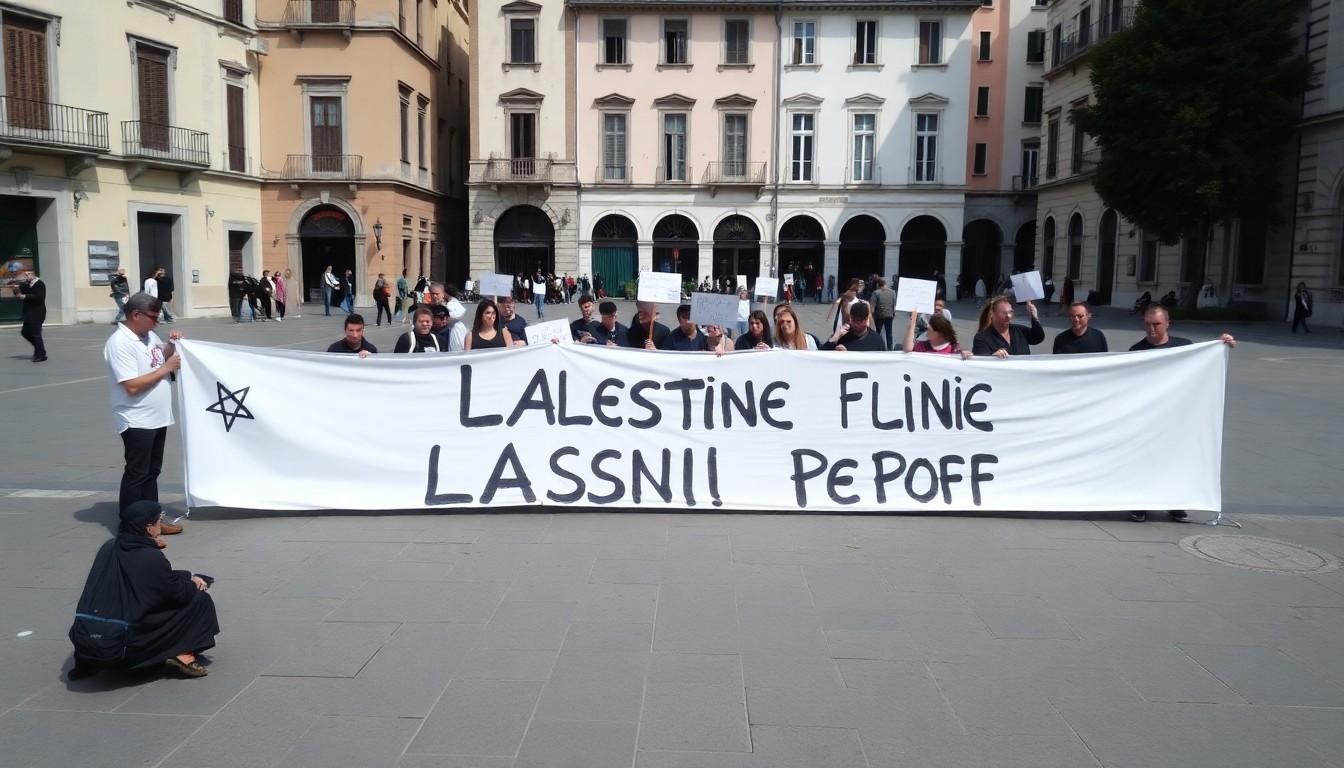
Shoppers and locals watched as Bologna’s Rivolta Pride poured out of Giardini Margherita, a colourful, angry and surprisingly tender march that married queer celebration with political protest , from solidarity with Palestinians to a fight over Italy’s school rules, and why that matters now.
Essential Takeaways
- Primary message: The Rivolta Pride in Bologna foregrounded solidarity with the Palestinian people under the slogan “No Pride in genocide,” combining queer visibility with international political critique.
- Local activism: Organisers from Bologna’s LGBTQIA+ platform framed the event as a direct challenge to national policies they call neoliberal and securitarian.
- Cultural pushback: The march directly criticised pinkwashing and used visual performances to dramatise events such as the Ashdod port incident.
- Policy flashpoint: Protesters tied their demands to recent Italian moves, notably the dl Valditara restrictions on education about difference in early schooling.
- Nationwide movement: Similar Pride actions happened across Italy the same weekend, signalling a wider wave of protest and solidarity.
A Pride that looks outwards, not inwards
Bologna’s Rivolta Pride opened not just as a celebration but as a pointed political statement, the kind that makes your ears prick up. People reported a mix of banners, songs and a visual-sound performance recalling events at the Ashdod port , an emotionally raw choice that kept the crowd focused on the human cost behind the slogans. According to Reuters and local reports, this isn’t an outlier: queer groups across Europe have been publicly debating solidarity with Palestinians and rejecting what they call pinkwashing. If you’re used to Pride as pure party, this felt different , more a vigil and a demand rolled into one.
Why “No Pride in genocide” matters to activists
Organisers explained that dignity for queer people doesn't exist in a vacuum, and that placing rainbow flags over violence feels hollow. Activists at the march said pinkwashing , where a state uses LGBT rights to polish its image , erases real suffering and distracts from policy critique. The Guardian and other outlets have covered similar arguments from queer Palestinians and allies who feel Pride should not be used to whitewash state violence. For attendees, the slogan is both moral stance and strategic framing: it forces people to choose a side.
The local government and the national context
Bologna’s Pride also made space for domestic grievances. Speakers denounced what they described as a new neoliberal order that profits from conflict and strips social protections, tying these criticisms to recent public statements by figures such as Roberto Vannacci. Italian press has picked up on the clash between queer demands and conservative political rhetoric, and marchers linked that to cuts in social spending and a broader hardening of public policy. If you’re trying to follow the politics of Pride in Italy, it’s impossible to separate international solidarity from fights over welfare and civil liberties.
Schools, children and why dl Valditara lit a fuse
One of the most immediate reasons for the turnout was anger over the dl Valditara, the law that curtails education about difference in early grades and restricts sex and gender education in secondary schools. Activists told local media they see this as an attempt to hand cultural control back to conservative families and to limit young people’s access to knowledge about identity. For parents and teachers in the crowd, the march was a practical intervention: keep education inclusive, defend kids’ right to learn about gender and sexuality. It’s a reminder that culture wars on curricula are very tangible for families and schools.
How this fits into the wider Pride season across Italy
Bologna wasn’t alone; eleven other Pride marches ran through cities like Bari, Genova and Lecco, and more were planned. That pattern suggests a national wave of Pride events reframed as political protests as much as festivals. Coverage from ANSA and regional broadcasters underlines a growing trend: Pride is becoming a platform for a broader left-liberal critique of domestic and foreign policy. For readers wondering whether to attend or support, it’s worth checking each city’s organisers: some events emphasise celebration, others prioritise protest.
It's a small change that can make every march mean more to someone.
Source Reference Map
Story idea inspired by: [1]
Sources by paragraph: