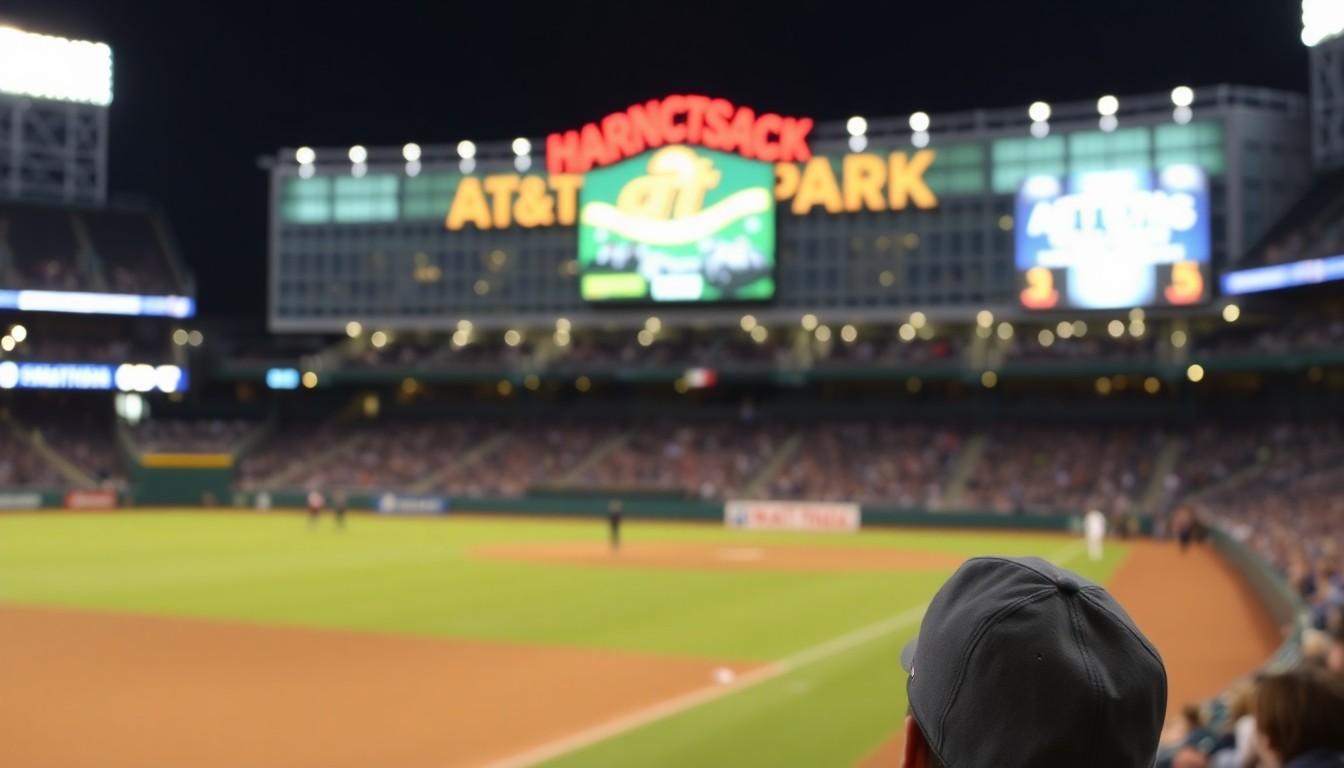
Watch as a single hat provokes conversation: San Francisco Giants reliever Landen Roupp wrote Genesis 9:12–16 on his Pride cap, a visible act of faith that has divided fans, drawn support from fellow believers and reignited questions about athletes, identity and workplace expectations.
Essential Takeaways
- What happened: Landen Roupp inscribed Genesis 9:12–16 on his Pride Night hat, referencing the biblical covenant symbolised by a rainbow.
- Public reaction: The gesture prompted both criticism from some fans and praise from conservative and Christian supporters.
- Player comment: Roupp told media he meant to point people to “God’s covenant” and said he stands by his faith.
- On-field context: The Giants hosted Pride activities including rainbow caps and on-field celebrations; Roupp allowed four earned runs in his start.
- Wider issue: The incident feeds into a larger debate over whether athletes are obliged to participate in team-sponsored identity events.
A small hat, a big ripple
Roupp’s handwriting was quiet but visible, a neat script on a rainbow cap that read Genesis 9:12–16. That simple visual, soft ink against bright colour, made an emotional impact on fans watching at Oracle Park and at home. According to local reporting, the moment landed just as the Giants were staging family-friendly Pride celebrations, including same-sex vow renewals and performances that centre LGBT+ identities.
This wasn’t the first time a pitcher used scripture in that context. The image evoked last season’s similar move by another veteran. For many viewers, the scene felt symbolic: a player asserting religious conviction against the backdrop of a widely publicised inclusivity event.
What Roupp said and why it matters
After the game, Roupp told reporters his intention was to “point people to God’s covenant,” and he described the rainbow as a Christian symbol. He reiterated that he stands by his beliefs and framed the act as personal expression rather than hostility toward others. Some fans pushed back on social media, while others praised his courage.
This is a live example of a recurring tension in sport: individual conscience vs team messaging. Athletes are public figures whose gestures are interpreted as endorsements or rejections, so what they wear or write on uniform-adjacent items often takes on oversized meaning.
How teams and fans are responding
Organisations have increasingly used Pride Nights and themed caps to signal allyship and inclusion; for many clubs, these aren’t optional add-ons but part of community outreach and corporate sponsorship. That normalisation has elevated expectations that players will participate visibly.
Meanwhile, some players decline; others find middle ground. Teams must balance freedom of belief with the optics of unity. Expect clubs to tighten policies around on-field attire and messaging or to craft clearer guidance for players who feel conflicted about themed events.
Practical takeaways for fans and players
If you’re a fan wondering what to make of this, remember that a player’s personal faith and a team’s promotional calendar can collide in ways that feel personal. For players, consider these simple rules: know your team’s uniform and conduct policies, communicate with coaches ahead of themed nights, and be prepared to explain your stance calmly if it becomes public.
For clubs and organisers, the incident underlines the value of dialogue. Inviting players into the planning process, or offering optional ways to participate, could reduce friction without diluting the event’s intent.
The wider cultural snapshot
This episode sits at the crossroads of sport, religion and corporate culture. It’s one of several recent moments where individual athletes have declined to adopt league or team-sponsored identity markers, prompting fresh debate about free expression, inclusion and workplace norms within high-profile industries. Expect more conversations like this as teams lean into social causes and athletes assert private convictions.
It’s a small action that reveals larger questions about respect, choice and the role of sport in public life.
Source Reference Map
Story idea inspired by: [1]
Sources by paragraph: