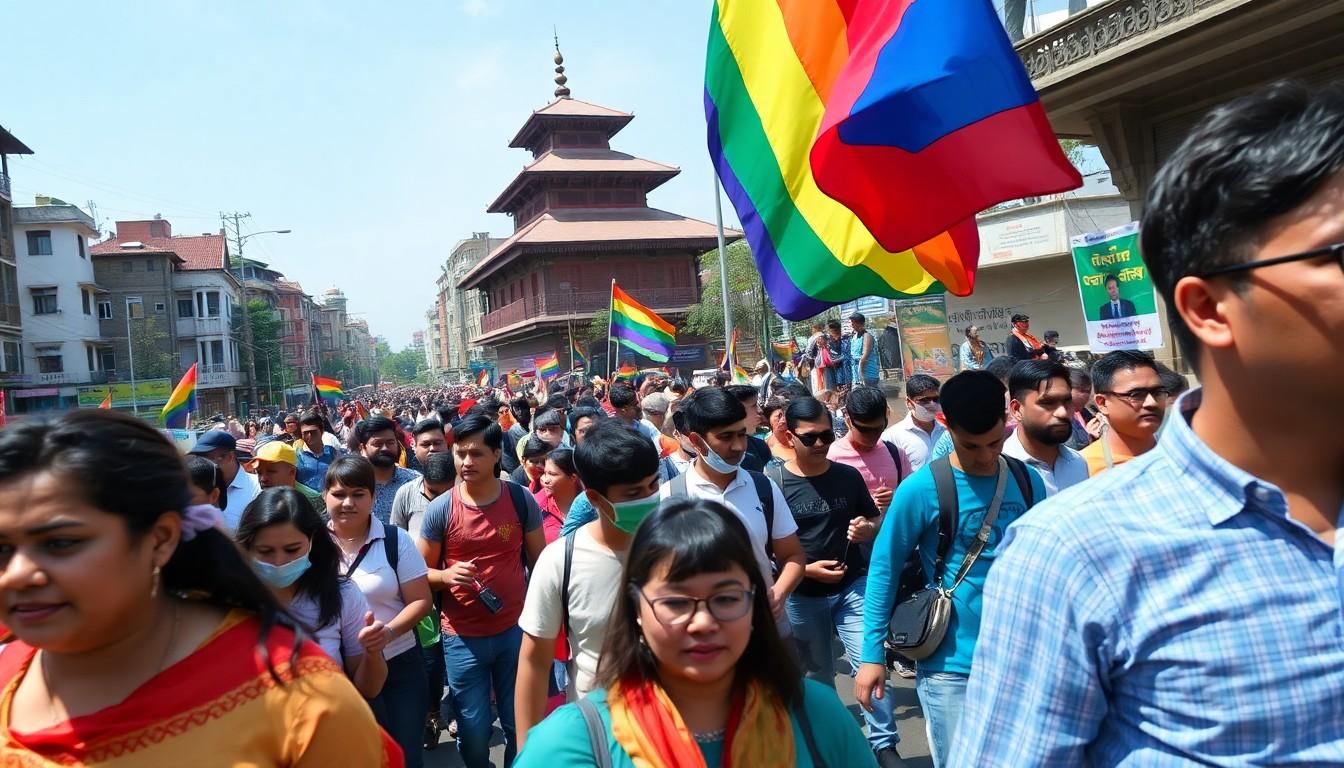
Marchers filled Kathmandu's streets in colourful celebration, as Nepal’s LGBTQ+ community and allies marked Pride Month , a vivid reminder of progress, protection and the new ministry aimed at lifting sexual minorities into the spotlight. Here’s why this matters for people at home and travellers interested in Nepal's human-rights scene.
Essential Takeaways
- Large turnout: Hundreds of people joined the Pride Month march in Kathmandu, signalling visible public support and community confidence.
- New government body: The newly formed Ministry of Women, Children, Gender and Sexual Minorities and Social Security is the first department dedicated to sexual-minority issues.
- Legal foundations: Nepal’s constitution bans discrimination on the basis of sexual orientation, and same-sex marriage is permitted, placing the country ahead of many neighbours.
- Identity recognition: People who do not identify strictly as female or male can select “third gender” on passports and other official documents, easing daily life and travel.
A bright, noisy march with a clear purpose
The images from Kathmandu are vivid , painted faces, rainbow flags and a steady stream of people who look and sound joyful and determined. According to Associated Press coverage, hundreds took to the streets, and the atmosphere mixed celebration with a clear political message: visibility matters. For those watching, the parade felt like a public claim on space that was once denied.
A ministry changes the conversation
This spring’s government reshuffle under Prime Minister Balendra Shah created a new ministry for Women, Children, Gender and Sexual Minorities and Social Security. That’s not just a bureaucratic tweak; it signals a shift in priorities. Observers say having a dedicated department brings policy focus, funding possibilities and a clearer route for grievances to be addressed. It’s a practical step that could translate into better services and legal follow-through.
Law on the books , and what that actually means
Nepal’s constitution explicitly forbids discrimination on the basis of sexual orientation, and the country moved early on recognition issues. For instance, same-sex marriage is allowed, putting Nepal among the more progressive nations in Asia on this issue. Legal protections are essential, but activists caution that rights on paper need constant enforcement and public awareness to be lived realities , from employment to healthcare and housing.
Third gender recognition: a small change with big impact
A change that often goes under the radar is the ability for people to select “third gender” on passports and other state documents. Kathmandu Post reporting and legal analyses from local groups highlight how this reduces friction in daily life , fewer questions at checkpoints, easier access to services, and a sense of official acknowledgment. For many, that official tick-box carries emotional weight as much as administrative convenience.
From court rulings to public parades: a recent trajectory
Nepal’s move on LGBTQ+ rights stems from a series of legal and civic steps over the last two decades. A 2007 court decision set legal wheels turning, while the 2015 constitution and subsequent regulations enshrined anti-discrimination and identity recognition. Coverage and analysis from local legal commentators show how court orders, constitutional language and grassroots activism combined to build momentum , and how public events like the Pride march keep that momentum visible.
What travellers and locals should know
If you’re visiting Nepal or living in Kathmandu, the Pride Month march is both a cultural event and a barometer of social change. It’s a friendly, open atmosphere but also a reminder that progress requires attention: check local guidance for events, respect participants’ space, and consider supporting local groups doing on-the-ground work. For queer tourists, Nepal offers legal recognition that many nearby countries don’t, though personal experiences can vary by place and community.
It's a small change that can make public life safer and more joyful for many people , and Kathmandu’s Pride Month march is a clear, colourful signal that the work continues.
Source Reference Map
Story idea inspired by: [1]
Sources by paragraph: