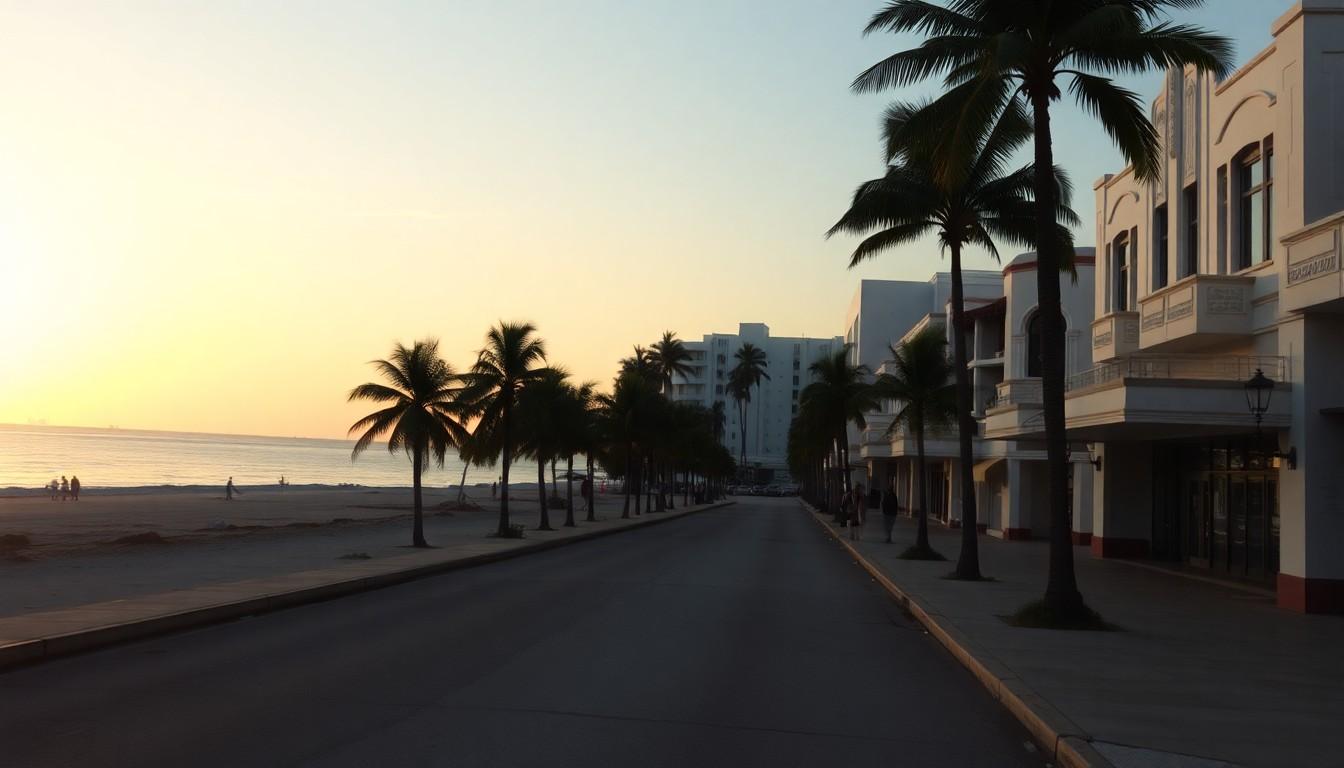
Shoppers, sightseers and LGBTQ+ travellers are weighing where to go and why; from Miami Beach’s restored rainbow crosswalks to small-town havens, these pockets of visibility show queer life persists , even where state politics feel hostile. Here’s what to know before you book.
Essential Takeaways
- Visible signs matter: Rainbow crosswalks and Pride events create a warm, welcoming feel and signal community presence.
- Legal climate vs lived reality: State laws can be hostile, but local pockets often offer safety, nightlife and services.
- Practical planning: Research local ordinances, emergency contacts, and queer-owned businesses before travelling.
- Sensory cues: Look for busy, walkable streets, lively bars and clear Pride branding , they’re good signs of a supportive scene.
Why a rainbow crosswalk still makes headlines
The sight of fresh rainbow paint on a street gives an immediate lift , it’s bright, bold and feels like an invitation. Miami Beach’s recent decision to reinstall rainbow markings on city-owned property after a state-ordered removal grabbed national attention and reminded travellers that symbols matter. CBS News and local outlets reported the back-and-forth between city and state, and residents said the colours make Ocean Drive and Wilton Drive feel safer and more celebratory. For visitors, that kind of visual cue can be the difference between feeling welcome and feeling wary.
Local life can differ from state politics
Florida now features laws that limit LGBTQ+ visibility in some public spheres, and governors’ rhetoric has prompted travel advisories from organisations like the NAACP in the past. Even so, pockets such as Miami Beach remain vibrant, with gay-owned businesses, bars and community spaces thriving. Travelers who’ve spent time in conservative regions point out a consistent truth: queer people live everywhere, and local communities often resist broader political pressure in practical, visible ways. That doesn’t erase risks, but it does mean blanket assumptions about a whole state miss the nuance.
How to size up a queer-friendly destination
If you’re deciding whether to visit a city in a red state, do a short vetting routine. Check for Pride events, look up LGBTQ+ community centres, and scan social feeds for recent photos of busy gay bars or rainbow signage. Local news stories about protests, symbol removals or city responses , such as those covering Miami Beach’s rainbow crosswalk saga , show how officials and activists interact, which can indicate local support levels. Finally, trust sensory signals: a bustling main drag, LGBTQ+ flags in windows and friendly staff are practical signs you’ll find welcoming spaces.
Safety tips without overreacting
You don’t need to cancel a holiday, but it’s sensible to prepare. Share your itinerary with friends, bookmark local LGBTQ+ helplines and map nearby inclusive clinics or sympathetic police stations. During Pride season, expect larger crowds and more visibility; outside of those times, look for established queer venues that locals recommend. Critics argue that avoiding entire states because of politics is too broad, while supporters of caution highlight that policies do shape public life. A balanced approach keeps you informed and ready without writing off potential travel joys.
Why these disputes matter for travellers
When cities repaint rainbows or defend Pride events, it’s not just civic theatre , it’s an effort to sustain community life and reassure visitors. Coverage from WLRN and Local10 showed Miami Beach officials repositioning a crosswalk onto city property to sidestep state rules, a small but meaningful manoeuvre that keeps queer visibility alive. For travellers, that’s hopeful: local leaders can and do act to protect cultural markers. Still, decisions about where to go will always be personal, balancing joy, safety and solidarity.
It's a small change that can make every trip feel a little more like home.
Source Reference Map
Story idea inspired by: [1]
Sources by paragraph: