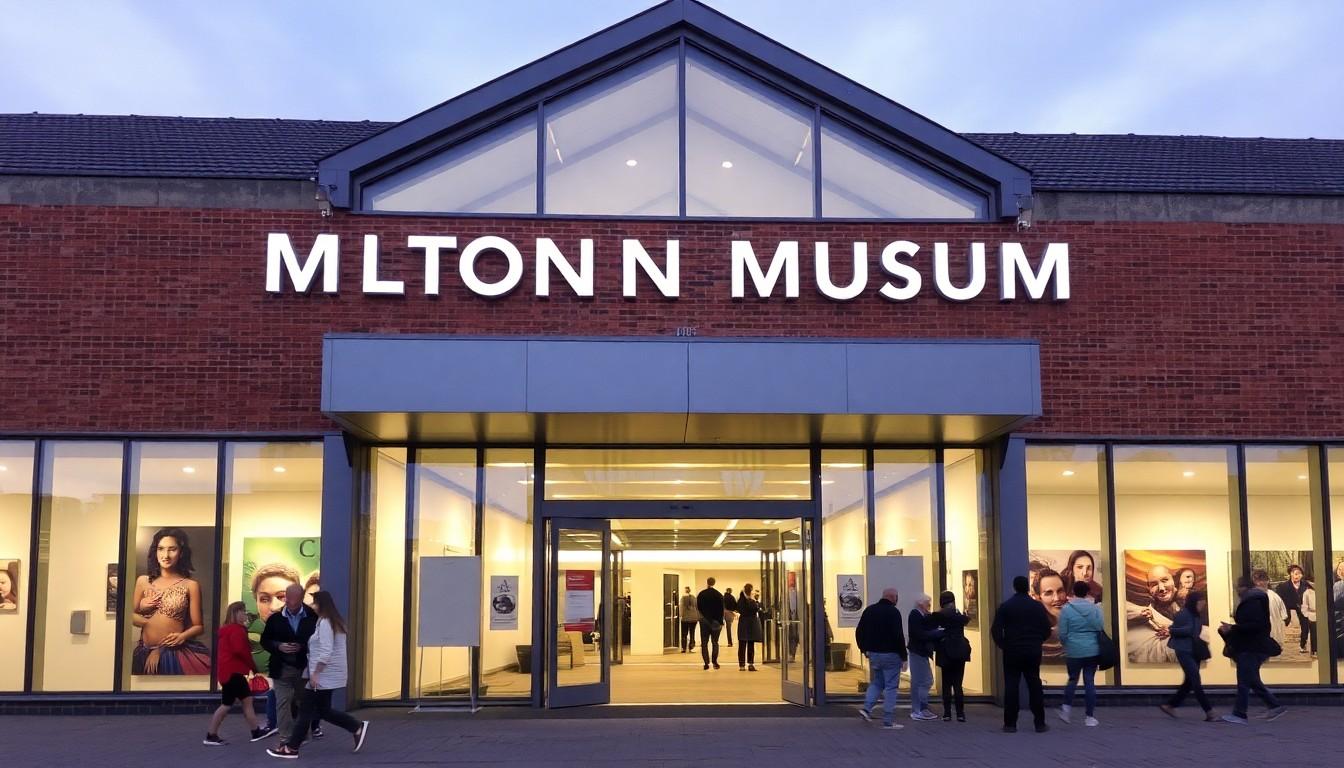
Shoppers and history-lovers are heading to Milton Keynes Museum's atrium to see MK Q:mmunity Tales, a new exhibition tracing 60 years of the city's LGBTQ+ community; it's a visual, oral and emotional archive that matters for anyone curious about local activism, nightlife and lived experience.
- What it is: an illustrated, immersive exhibition and book telling LGBTQ+ stories from Milton Keynes since 1967.
- Up-close material: oral histories, photos and memorabilia that feel personal and honest.
- Community-led: researched and curated by Q Alliance with contributions from decades of residents.
- Atmosphere: nostalgic and hopeful, with moments that are both painful and empowering.
- Practical: on in the Milton Keynes Museum atrium until 21 June; easy to visit and family-friendly.
A human archive in the museum atrium
The exhibition opens with a gentle, lived-in feel , faded photos, voice clips and handwritten notes that make the past sound immediate and tactile. According to Q Alliance's project pages, MK Q:mmunity Tales gathers interviews and objects from across six decades, so you really get the sense of people speaking to you rather than at you. If you like local history that smells faintly of old ink and cider, this will land.
From law changes to local campaigns , the backstory
The Sexual Offences Act of 1967 changed the legal landscape in England and Wales, but everyday life for LGBTQ+ people didn’t flip overnight. The show maps that slow, uneven progress: 1970s campaigns for Homosexual Equality, 1980s support lines and 1990s youth groups , all the grassroots work that made safe spaces possible. Q Alliance, which documented these stories, highlights both the discrimination people faced and the solidarity they built.
Nightlife, community centres and the places that mattered
Milton Keynes’ social scene appears throughout the displays: pubs, discos, community centres in Neath Hill and Witan and clubs that doubled as refuge. Local reporting and the museum notes point to venues such as the Pink Punters in Bletchley as key social hubs. Those venues weren’t just for dancing; they were where friendships started, politics were discussed and identities were affirmed. If you pick memories over monuments, this exhibition shows why venues matter.
Fires, losses and the resilience that followed
Recent events , including a significant fire that damaged Pink Punters , are part of the story the exhibition doesn’t shy from. Investigations later described the blaze as accidental, and local owners have spoken about rebuilding. But the show frames loss alongside resilience: people talk about trauma, anxiety and uncertainty, yet also of the courage to carry on and create new spaces. It’s a reminder that history is messy, and community repair is ongoing.
Why this matters to young people and allies
Organisers say the project aims to give younger LGBTQ+ people confidence and context; older contributors hope their stories offer a map of where support and activism came from. For allies, it's an accessible lesson in why visibility and local memory matter , how small acts, like a switchboard or a youth group, change lives. If you’re wondering whether to visit: bring a friend, listen to the oral histories and leave ready to chat about what you’ve heard.
It's the kind of show that makes you grateful for people who kept things going in dark times, and optimistic about what comes next.
Source Reference Map
Story idea inspired by: [1]
Sources by paragraph: