Bursting with colour and purpose, Indy Pride drew tens of thousands to downtown Indianapolis , not just for music and floats, but because organisations used the weekend to connect people with health care, advocacy and crucial services that matter beyond the party.
Essential Takeaways
- Huge turnout: Tens of thousands attended Indy Pride, filling downtown Indianapolis with a festive, electric atmosphere and visible support.
- Resource hub: Local groups used the festival to share practical services , from HIV prevention meds to advocacy information , making Pride a public-health touchpoint.
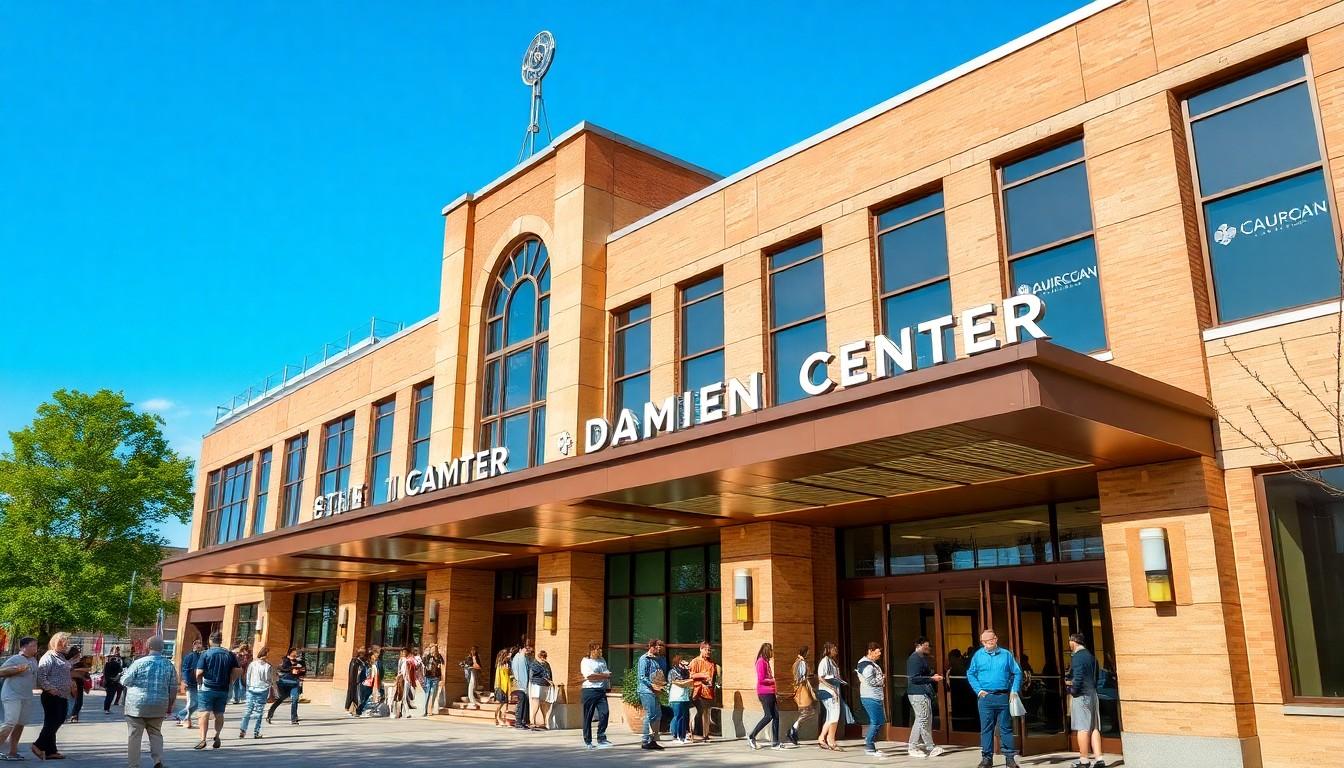
- New on-site care: The Damien Center offered HIV prevention medication at the festival for the first time, a hands-on shift for community outreach.
- Funding worries: Leaders warn that proposed federal cuts to HIV-related services could reverse progress made in reducing new infections.
- Community boost: Despite political and legal pressures, attendees and organisers said the event reinforced visibility, safety and solidarity.
Colourful celebration with a serious heartbeat
Indy Pride looked and felt like a party , bright flags, loud music and a steady stream of smiling faces , but the mood wasn’t only jubilant. Organisers and nonprofits treated the weekend as an opportunity to deliver services and information where people already were. According to local reports, volunteers handed out pamphlets, answered questions and offered practical support in a way a clinic lobby rarely can. It’s the kind of outreach that makes Pride both joyful and useful.
Why offering services at Pride is different
Putting health services and advocacy stalls on festival turf removes barriers. People who might avoid a clinic can ask questions in a friendly tent, pick up prevention tools, or learn about legal rights in a casual conversation. The Damien Center’s decision to distribute HIV prevention medication at Indy Pride for the first time is a clear example , it meets people in the moment and makes care feel immediate and normal. That on-site access changes how communities think about prevention and wellness.
The Damien Center’s warning: progress could be fragile
Community leaders celebrated falling rates of new HIV infections in Indiana , a milestone that advocates worked for years to reach. But Alan Witchey, chief executive of the Damien Center, told reporters that proposed federal funding cuts could threaten that progress. He framed it plainly: gains in public health aren’t irreversible if budgets and programs dry up. That’s why festivals that double as outreach events feel like more than spectacle; they’re a frontline defence against rolling back services.
Pride as a platform for rights and resilience
Attendees said they felt seen and safer simply by gathering. Organisers noted the festival’s role in countering a backdrop of legal and political attacks on LGBTQ+ rights. For many, Indy Pride is both a celebration of identity and a public demonstration of solidarity , a place to witness advocacy in action and to hear about concrete steps people can take to protect themselves and others. That dual role , party and platform , is what keeps the festival relevant year after year.
How to make the most of Pride , whether you’re a visitor or an organiser
If you’re heading to a Pride festival, look for information booths from health and advocacy groups, and don’t be shy about asking for resources or where to find free services. Volunteers can help with everything from referrals to basic supplies. For organisers, partnering with trusted local providers and offering on-site medication or testing can dramatically widen access. It’s practical, visible and , frankly , exactly the kind of community-first thinking that saves lives.
It's a small change to how festivals are run, but one that can make every celebration count for something bigger.
Source Reference Map
Story idea inspired by: [1]
Sources by paragraph: