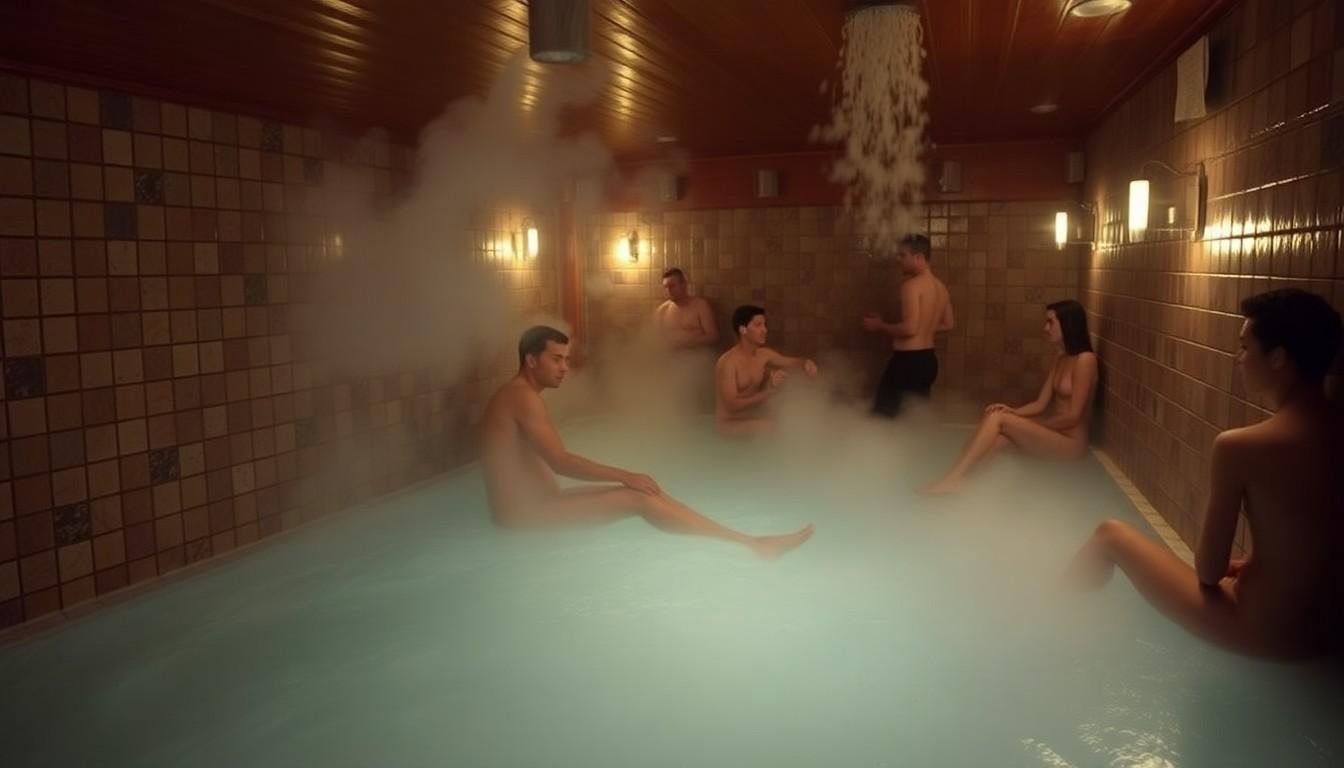
Shoppers and sauna-goers are noticing a worrying skin infection spreading in clusters across western Europe; public-health agencies say dermatophilosis , a usually animal-linked disease , is appearing in men who have sex with men, often after humid, close-contact settings, and it matters because early recognition and simple hygiene cut transmission risk.
Essential Takeaways
- What it is: Dermatophilosis (Dermatophilus congolensis) is a bacterial skin infection long known from livestock, now seen in people with pustular, crusting lesions.
- Where it's appearing: Clusters reported across France, Spain, Germany, Italy and Turkey, often linked to saunas and venues with close, humid contact.
- How it looks and feels: Lesions tend to be itchy, pus-filled or crusted, commonly around genitals, perianal area and mouth; they can feel sore and visually alarming.
- Transmission clues: Evidence points to human-to-human spread in warm, moist environments and via intimate skin contact, not only from animals.
- Practical fix: Early diagnosis, wound hygiene, protective practices in saunas and prompt medical treatment reduce spread and severity.
What dermatophilosis looks like , the symptoms you’ll notice
Startling to see, the infection often begins as small pustules that evolve into scabby, yellowish crusts; the texture and smell can make people alarmed. According to the CDC and case reports, lesions are commonly perigenital, perianal and perioral in these clusters, which reflects transmission during intimate contact. If you spot painful, crusted spots after visiting a sauna or party, don’t panic but do get checked , clinicians can usually test and treat this bacterial infection. Early treatment shortens symptoms and stops further spread.
How a farm disease moved into city saunas , the backstory
Dermatophilus congolensis has classically caused “rain rot” in cattle and horses and only occasionally infected humans with heavy livestock exposure. Recent reporting and public-health updates show a new pattern: clusters among men who have sex with men in urban Europe, linked to humid, crowded venues. Researchers say this may signal an evolving transmission route, where warm, moist environments and direct skin-to-skin contact let the bacteria pass between people rather than only via animals. That shift echoes past outbreaks of other infections that found new social niches.
Why venues like saunas matter , the role of environment and behaviour
Enclosed, hot, humid spaces where people wear little or no clothing create ideal conditions for skin bacteria to spread, researchers note. Saunas, steam rooms and certain club areas concentrate moisture against the skin and encourage close contact, which elevates risk. Practical takeaway: venues should step up cleaning, provide clear guidance on wound care and encourage patrons to avoid intimate contact when any skin lesion or irritation is present. For individuals, a quick towel, drying well and covering open sores helps reduce transmission.
Diagnosis, treatment and what clinicians recommend
Doctors usually confirm dermatophilosis with a skin swab or scraping and lab testing to identify the organism. Antibiotics clear most cases and wound-care , keeping the area clean, dry and covered , speeds recovery. According to infectious-disease reports, hospitalisation is rare; most people recover with outpatient therapy. If you’ve been in a linked setting and notice lesions, seek care promptly rather than waiting , it’s kinder to partners and avoids more extensive skin damage.
Practical advice for sexual health and community spaces
Be open and practical: if you or a partner has any suspicious skin lesion, pause sexual activity and see a clinician. Saunas and clubs can display simple signage about not sharing towels, covering lesions and reporting symptoms. Community health services should offer discreet testing and clear guidance so people seek help without fear. Remember: stigma only hinders control , factual information and supportive public-health measures work.
It's a small change in behaviour and venue practice that could make every contact safer.
Source Reference Map
Story idea inspired by: [1]
Sources by paragraph: