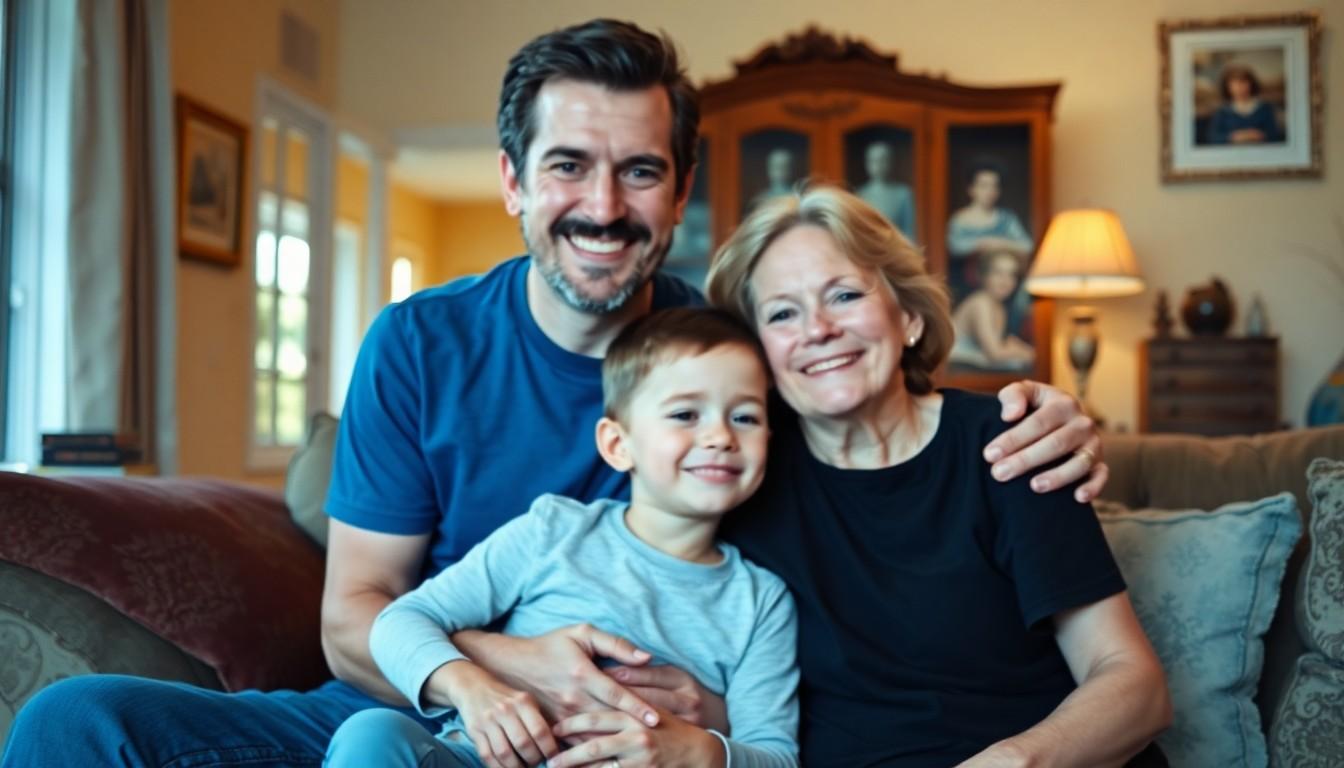
Watch families rewrite the rulebook. A trans man in the US donated his eggs to help his sister have a baby, creating a tender family moment that’s gone viral and matters for conversations about reproductive care, identity and kinship. Here’s why the story is resonating and what it means for others considering similar paths.
- Heartfelt moment: A trans man is pictured cradling his newborn nephew, and the images capture joy, tenderness and pride.
- Medical angle: Egg donation is possible after oocyte retrieval and can be pursued by transgender people who preserved fertility before treatment.
- Practical detail: Donor candidates typically undergo screening, hormone protocols and recovery time; the process can feel physically and emotionally intense but often rewarding.
- Social impact: The story is sparking conversations about family, gender and accessible reproductive care, with many readers calling it inspiring and normalising.
- Takeaway for families: Open communication, medical guidance and legal clarity matter when family members donate gametes or act as surrogates.
Why this picture touched so many people
The image of a parent handing over tenderness to a newborn never goes out of style, and this one adds a quietly powerful layer: the donor is a trans man whose eggs made his sister’s child possible. The visual mix of pride, relief and ordinary parenting nudges viewers to rethink assumptions about who gives and who receives in family-building stories. Social posts say it feels both intimate and triumphant.
Backstory matters. According to reporting, the donor underwent medical evaluation and the standard steps of egg retrieval, and the family shared the journey publicly to inspire others. That transparency is part of why the story has become a touchstone: it shows process as well as outcome.
If you’re moved, know why. For many people, seeing a family do something selfless and unconventional is a reminder that modern parenthood takes many shapes.
How egg donation can work for transgender people
Egg donation for people assigned female at birth who later transition is medically possible when eggs have been preserved or when fertility is pursued prior to certain treatments. The pathway usually includes fertility counselling, hormone stimulation and an outpatient retrieval procedure, followed by recovery that varies person to person.
Fertility specialists and patient advocates stress early conversations. If you’re considering transition and might want genetic children, speak with a fertility clinic about options like oocyte freezing. If you’re donating to a relative, clinics also evaluate medical history and genetic screening to ensure safety for donor and recipient.
And keep in mind the emotional piece: donating eggs to a sibling can be deeply meaningful but also complex, so psychological support is worth arranging alongside clinical care.
The legal and emotional landscape for family donations
When family members donate eggs or act as surrogates, the legal picture shifts by country and sometimes by clinic. Contracts, consent forms and clear agreements about parental rights are essential before treatment begins. Clinics generally require legal documentation when gametes are used in intra-family arrangements.
Emotionally, families report waves of joy, awkwardness and unexpected pride. Open communication and boundary-setting help. Many who’ve gone through it recommend a counsellor experienced in reproductive and LGBT+ family issues to navigate identity, privacy and future questions from the child.
What this story signals about wider cultural change
Stories like this one echo a broader cultural trend: families are becoming more fluid, creative and public about routes to parenthood. Media response shows people are hungry for positive, nuanced stories about trans lives that centre ordinary pleasures , holding a newborn, sharing cake, swapping baby names.
The tale also nudges policymakers and healthcare providers to keep access to fertility preservation and reproductive services inclusive. When clinics and lawmakers adapt, more families can choose paths that fit their lives.
Practical tips if you’re thinking about donating or receiving eggs
Start with a clinic consultation and fertility counselling, and ask about screening, costs and timeline. Get legal advice early and keep records of consent and agreements. Think through how much of the journey you want public , many families choose to share some parts and keep others private. Finally, arrange emotional support for everyone involved; it makes a surprising difference.
It’s a small but powerful reminder: family love often finds a way.
Source Reference Map
Story idea inspired by: [1]
Sources by paragraph: