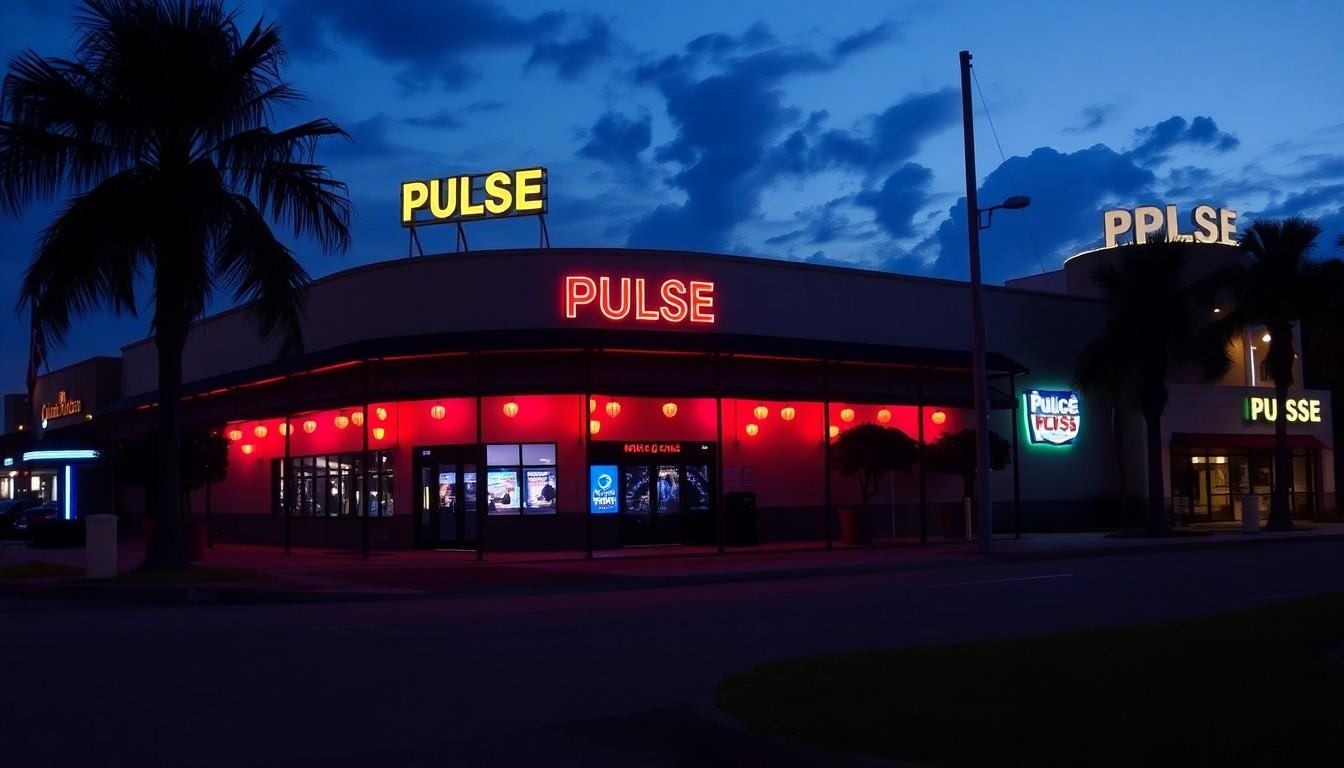
Remembering, organising and demanding change: survivors and families are still fighting for a proper memorial, accountability and protections for Latino LGBTI people a decade after the Pulse nightclub massacre in Orlando , and their campaign matters beyond Florida.
Essential Takeaways
- Survivors’ scars are visible: many still live with physical injuries, trauma and unanswered questions about the response.
- Communities feel targeted: Latino and LGBTI people recount fear of authorities and ongoing political hostility.
- Memorial fight continues: families reject commercial plans and demand a dignified, victim-centred remembrance.
- Organisations mobilise: groups urge concrete actions like donating blood, volunteering and voting to honour victims.
A decade later, the wound still feels raw
The strongest image from survivors is sensory , the echo of gunfire and the silence that followed. Survivors like Jorshua Hernández continue daily life with physical reminders of that night, and many describe years of rehabilitation and therapy. According to reporting from EFE and local outlets, those personal stories are central to why families continue to press for recognition and reparative measures. Public memory is fragile, and survivors say a truthful, respectful account helps keep the urgency of reform alive.
Why Latino LGBTI communities felt especially vulnerable
The Pulse attack disproportionately affected Latino members of the queer community, and that intersection of identities shaped the aftermath. Reports and interviews in the decade since show people feared contacting police because of immigration status, and faced obstacles such as barriers to donating blood or accessing culturally sensitive services. Activists point out how those fears have been compounded by recent political rhetoric and enforcement actions that many say single out the same communities that were targeted at Pulse.
The long fight for a proper memorial and transparency
Families grouped as Pulse Families and Survivors for Justice have repeatedly opposed official proposals they see as commercial or tone-deaf. They want a modest, permanent memorial that honours the 49 killed without turning the site into a tourism-driven attraction. Questions around the OnePulse Foundation , which raised millions but closed amid allegations of mismanagement , feed distrust and explain why survivors insist on transparency and community control of any remembrance project.
Policy and protection: why this moment connects to broader politics
Advocates warn the Pulse story isn’t just historical. They link the massacre to rising incidents of anti-LGBTI hate and to policies affecting immigrants and transgender people. Data shared by civil-rights groups and thinktanks show hate crimes against LGBTI people have increased in recent years, and survivors say the political climate can make recurrence more likely. That’s why campaigns now mix memorial demands with calls for concrete policy change at local and national levels.
How you can honour victims , practical steps that matter
Organisations like Equality Florida and grassroots groups have pushed the #HonorThemWithAction campaign, which turns remembrance into tangible acts: donate blood, support LGBTI charities, volunteer locally, register to vote and contact representatives about anti-discrimination protections. Small civic acts add up, say survivors; they also provide practical ways for allies who want to help but are unsure where to start.
It's a small change that can make every remembrance more meaningful.
Source Reference Map
Story idea inspired by: [1]
Sources by paragraph: