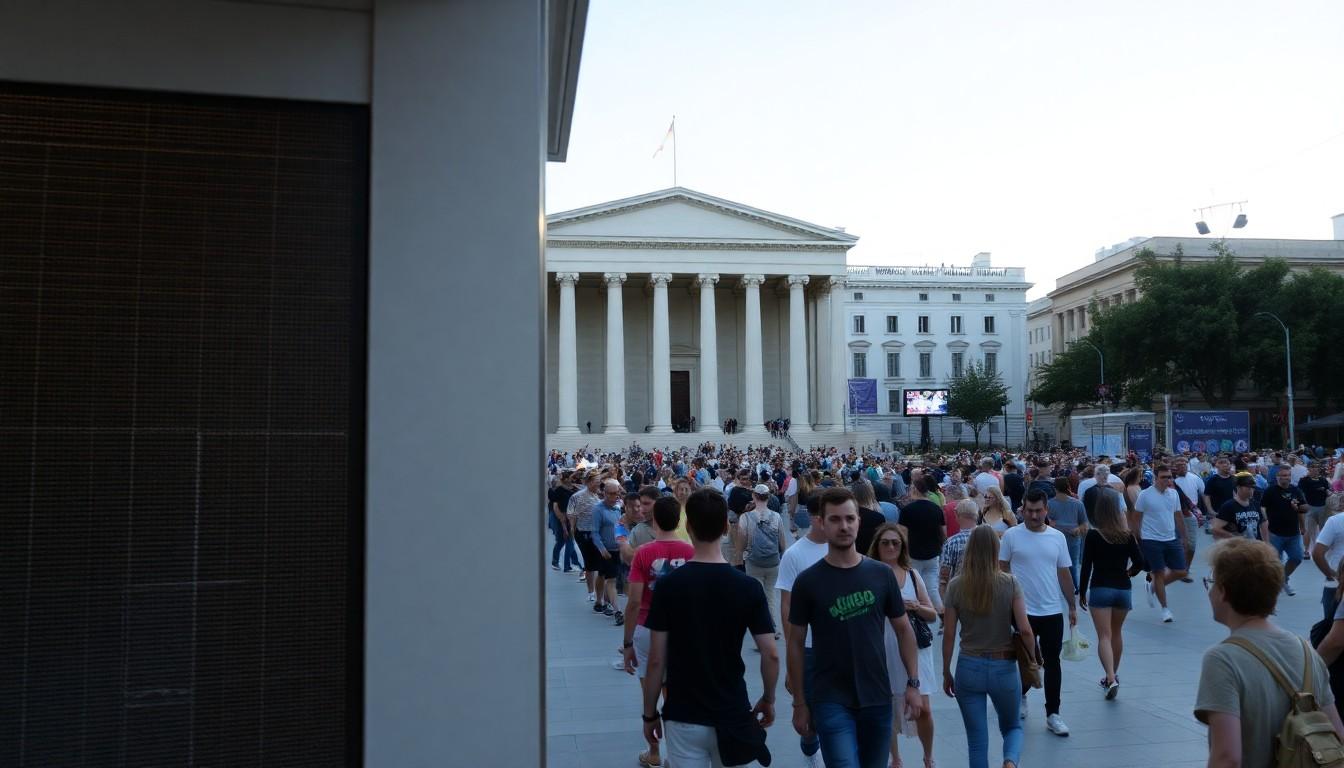
Bursting with colour and chant, Athens Pride filled Syntagma Square on 13 June as thousands gathered for a day of protest, party and purpose , a visible push for LGBTQI+ rights that mattered to residents, visitors and families across the city.
Essential Takeaways
- Huge turnout: Thousands of people of all ages packed Syntagma, bringing a lively, communal energy and bright flags.
- Full-day programme: Parallel artistic and activist events ran alongside a big Pride parade, offering talks, performances and stalls.
- Political and diplomatic support: The mayor of Athens and foreign envoys publicly backed the festival, stressing inclusion and rights.
- Human-rights focus: Groups like Amnesty announced monitoring initiatives to keep visibility and inclusion on the civic agenda.
- Accessible celebration: The mix of marches, family presence and cultural spaces made Pride feel both protest-driven and welcoming.
A square transformed: colour, sound and claim on the city
Syntagma Square looked and sounded different , sunlit banners, music drifting across the marble and people smiling, chanting and talking. According to local coverage, the scene quickly became celebratory and determined, a blend of performance and protest. Organisers and attendees said the festival is as much about demanding rights as it is about being seen; the sensory picture , flags snapping, the hint of street-food smoke, the hum of speakers , made that plain. If you weren’t there, imagine a city crossroads repurposed as a stage for dignity.
"It's About You": the theme that made Pride personal
This year’s strapline put the focus on individual experience and shared responsibility, a deliberate choice by the festival team to highlight how equality affects everyone. Festival pages and cultural partners framed events under that idea, curating panels, workshops and art that asked visitors to reflect and act. Practically, that meant easily accessible programming , family-friendly slots, youth activities and quieter spaces for those who needed them. The message landed: Pride is not only a parade, it’s a civic conversation.
Political backing and diplomatic solidarity
Local government and international envoys stepped up with public greetings, reinforcing the civic tone of the day. The mayor of Athens reiterated municipal support for an open city, and several ambassadors used their platform to celebrate legal and institutional steps taken in their countries. That kind of visibility matters in two ways: it amplifies the safety message for participants, and it keeps pressure on institutions to follow rhetoric with policy. Observers noted the optics were both reassuring and strategically useful for campaigners.
Culture and activism side-by-side: what the programme offered
Beyond the march, the festival offered art, debate and on-the-ground activism , exactly the mix you want at a modern Pride. From musical sets and theatrical pieces to information stalls and advocacy booths, organisers aimed to balance celebration with civic work. Amnesty International’s announcement of an observatory to monitor inclusion was a practical example of that balance: culture draws the crowd, while rights groups set the accountability agenda. For visitors, tip: plan which talks or performances you want to see in advance , popular sessions filled up fast.
Why this matters for Athens and beyond
Festivals like Athens Pride do three things at once: they celebrate community, they make public claims for rights, and they model what inclusive urban life could look like. Coverage from cultural sites and tourism pages framed Pride as a highlight of June in Athens, boosting the city’s image as open and cosmopolitan. Locally, the event keeps conversations about safety, discrimination and law firmly in the public square. Looking ahead, the best outcome is sustained visibility paired with measurable policy change.
It's a small but powerful turn of the dial , visible support becomes momentum for real change.
Source Reference Map
Story idea inspired by: [1]
Sources by paragraph: