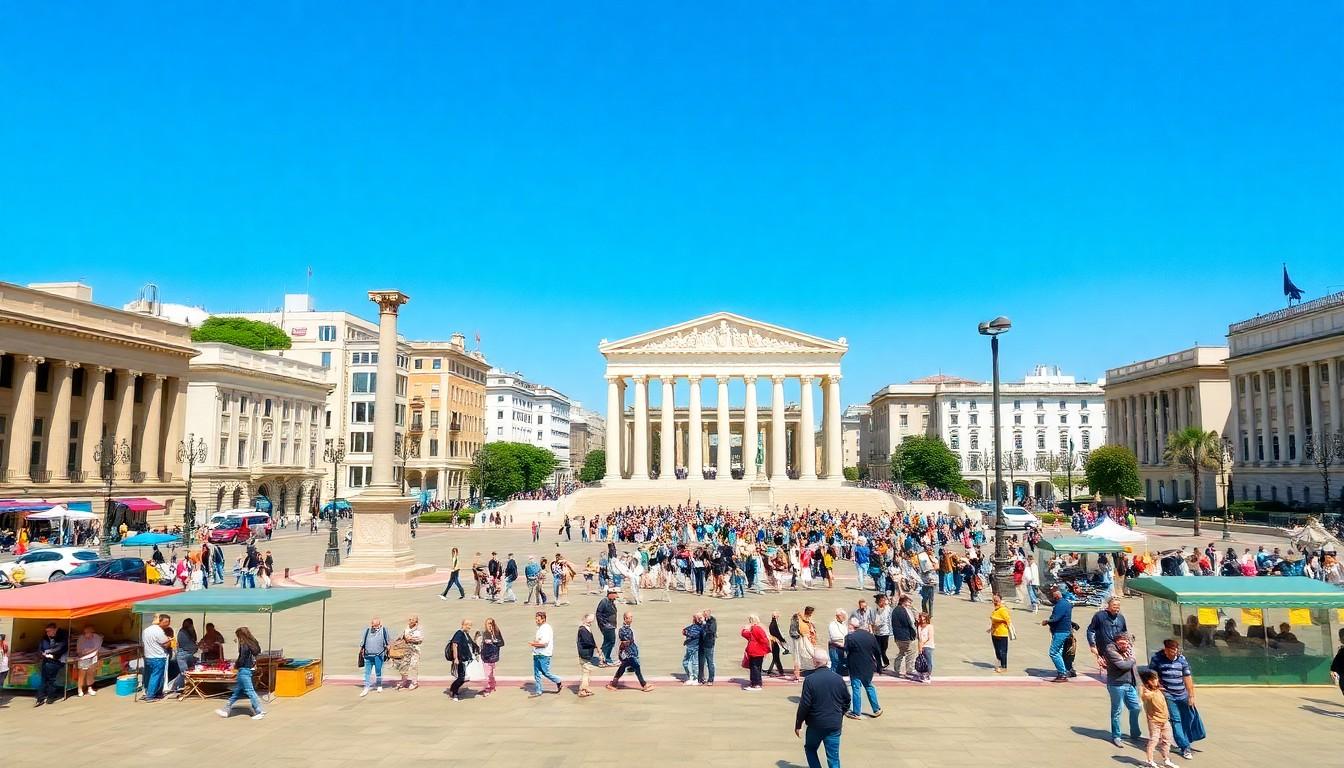
Bursting into the streets of central Athens, Athens Pride 2026 turned Syntagma Square into a vibrant, open embrace; organisers, allies and curious passers-by gathered to demand rights, visibility and safety for LGBTQI+ people , a colourful, political and deeply human moment that matters to everyone.
Essential Takeaways
- Huge turnout: Syntagma Square filled early with booths, families and activists, creating a lively, festive atmosphere alongside firm demands for change.
- Political, not just party: Organisers stressed Pride’s role as a protest for rights and dignity, not merely a celebration.
- Visibility for the vulnerable: Focus on trans, non-binary and intersex experiences highlighted ongoing discrimination and exclusion.
- Everyday stories: Refugees, parents, sex workers, and first-time Pride attendees shared personal journeys that connect to wider social progress.
- Collective claim: The message was clear , equality and safety affect all citizens, not just “some people”.
A colourful river through the heart of Athens
The strongest image from Athens Pride 2026 was unmistakable: a long, multicoloured procession flowing out of Syntagma, laughter mixed with chants, and the faint scent of summer festivals in the air. Photographs and short videos made the square look like an embrace , warm and noisy , while placards reminded everyone this is still a fight. According to local coverage, booths were packed from early afternoon, drawing people of all ages and backgrounds eager to take part. For many, the sensory overload , banners, music, and the crowd’s hum , underscored how visible protest can also feel like community.
Why organisers say Pride is a political necessity
Organisers were keen to push back against any suggestion Pride is only about partying. They framed the event as a deliberate act of civic insistence: demanding legal protections, social recognition and safe spaces for groups that remain marginalised. Reports highlighted the particular vulnerability of trans, non-binary and intersex people, who still face systemic exclusion. That framing matters because it changes how citizens and policymakers might respond , it’s not frivolous, it’s urgent.
Stories you couldn’t miss , ordinary lives, big claims
What made this Pride resonate were the human stories shouted through the megaphones and whispered at stalls: a refugee finding safety, a parent standing proudly with their child, a sex worker calling for workplace rights, a trans woman insisting on dignity. These vignettes turned abstract rights into lived reality, and organisers pointed out how each personal win lifts society as a whole. It’s a useful reminder: policy debates become less theoretical when you meet the people they affect.
How this fits broader cultural currents in Greece
Athens Pride didn’t happen in a vacuum; it arrived amid a wider cultural moment where visibility and representation are being hotly debated. Festivals, film nights and public arts events have been increasingly centring queer voices, while controversies around symbols and institutional recognition pop up internationally. Against that backdrop, a large, unified Pride march feels timely , a public nudge toward inclusion that echoes other cultural shifts in the city. If you follow arts and civic life in Athens, this year’s Pride is part of a pattern worth watching.
Practical takeaways for those thinking of joining next year
If you’re planning to go to a future Pride, expect a mix of celebration and advocacy. Arrive early to explore stalls and meet groups, bring water and sun protection, and if you want to take part in the march, wear comfortable shoes , it’s a long, emotional walk. Consider visiting the information tents to learn how to support specific causes, from legal aid to community health services. And remember: your presence, however small, helps make safety and dignity harder to ignore.
It's a small change that can make every claim to equality more visible and harder to dismiss.
Source Reference Map
Story idea inspired by: [1]
Sources by paragraph: