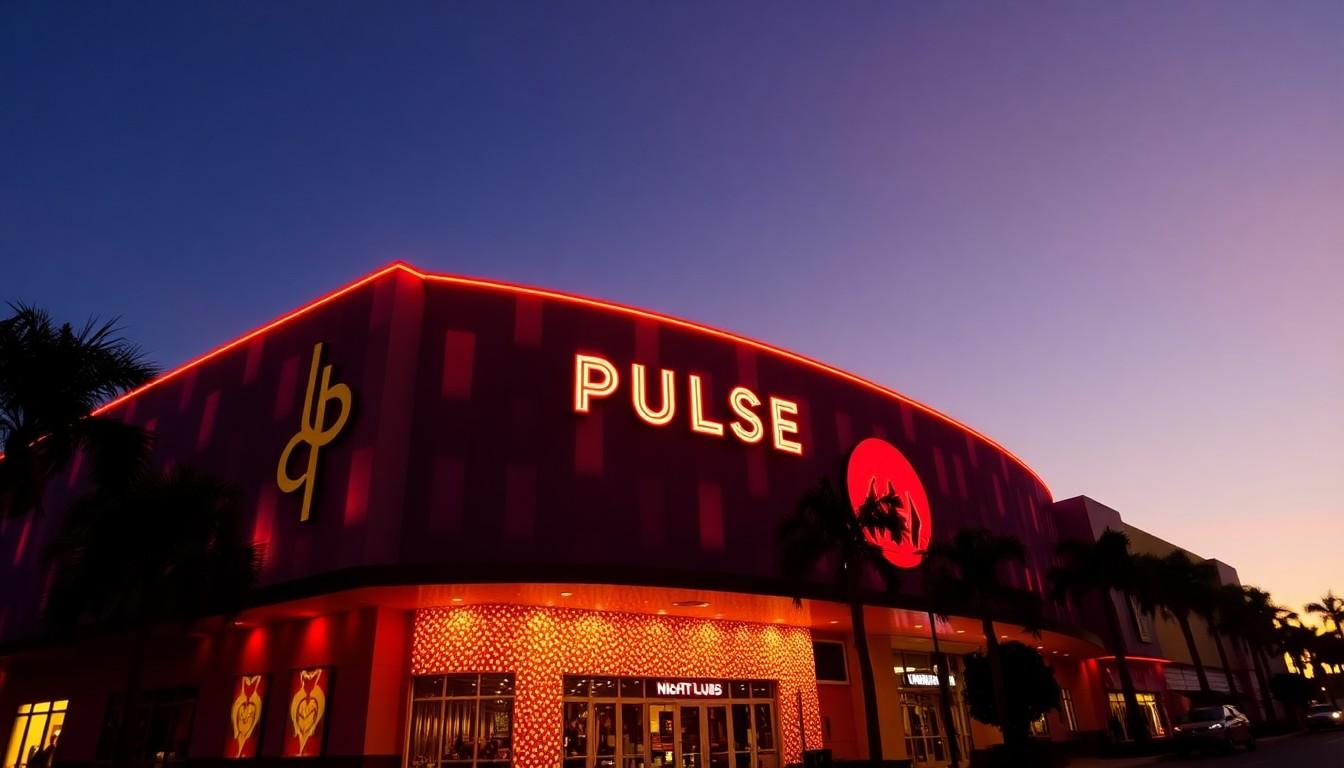
Shoppers, neighbours, and activists have been gathering to remember and rebuild , ten years on from the Pulse nightclub shooting. In Orlando and across Florida, survivors, families, mental‑health professionals and allies shared stories, strategies and small, practical changes that matter for long‑term LGBTQ+ resilience and community safety.
Essential Takeaways
- Collective remembrance matters: Public forums and survivor‑only ceremonies provide shared space to grieve, remember and find mutual support.
- Mental‑health focus: Therapists and community workers stress long‑term care, peer groups and trauma‑informed services as essential, not optional.
- Visible allyship helps: Civic events, elected officials and local media coverage sustain visibility and pressure for policy change.
- Local organising endures: Survivor networks and grassroots groups keep advocacy active between anniversaries, offering practical resources and legal support.
- Small safety measures add up: From venue training to community alert systems, everyday preparedness reduces fear and builds trust.
How public forums turn grief into a roadmap for action
The strongest picture from the tenth anniversary was of people talking, sometimes in hushed tones and sometimes raw, but always honest. News 6 in Orlando hosted an in‑person forum where survivors, advocates and allies spoke about how June 12 reshaped lives and neighbourhoods. Mental‑health professionals used the platform to remind everyone that trauma doesn’t have an expiry date, and that ongoing care is part of community rebuilding. If you’re organising or attending a remembrance, make space for both memory and next steps: bring resource tables, signpost counselling, and plan follow‑up meetings so conversations don’t end at the podium.
Survivor‑led ceremonies: why they matter
Some gatherings were for everyone, and others were intentionally private. Survivors and families organised survivor‑and‑family‑only remembrance events so people directly affected could grieve without cameras or public agendas. Those quieter moments create a different kind of healing , a place to process, ask tough questions and rebuild trust among those who shared the experience. For anyone supporting a survivor, the simple act of listening and respecting boundaries is one of the kindest, most practical things you can do.
Mental health beyond the anniversary headline
Psychologists and community workers emphasised long‑term strategies: peer support groups, trauma‑informed counselling, and funding for local mental‑health services. The conversation in Orlando reflected a broader push across Florida to view grief as a public‑health issue, not just an emotional one. If you’re seeking help, look for groups with experience in mass‑trauma recovery and ask whether services include culturally competent care for LGBTQ+ people. Small practical steps , regular check‑ins, low‑pressure social meetups, and financial support for therapy , can make a big difference over time.
From visibility to policy: how remembrance keeps pressure on leaders
Anniversary events do more than commemorate; they renew civic pressure. Elected officials who show up are reminded that policy and protection matter: hate‑crime legislation, funding for safe spaces, and training for first responders are all on the table. Media coverage from outlets across Florida helped keep these demands visible, and organisers said continued advocacy between anniversaries is what turns promises into laws. If you care, write to councillors, join a local group, or volunteer at community centres , steady attention often wins where single protests don’t.
Practical safety and resilience measures that communities can adopt
Organisers and venue owners have been busy turning lessons into action: emergency plans, staff training in de‑escalation, and better lighting and signage in nightlife districts. Community members can help by supporting local venues that adopt safety plans, attending trainings, or simply knowing their neighbourhood’s emergency contacts. Those incremental changes , a clearer exit route, staff trained to spot threatening behaviour, a helpline number on the wall , quietly add up and help people feel safer without changing the vibe of a place.
It's a small change, but these gatherings and follow‑ups keep the work moving forward.
Source Reference Map
Story idea inspired by: [1]
Sources by paragraph: