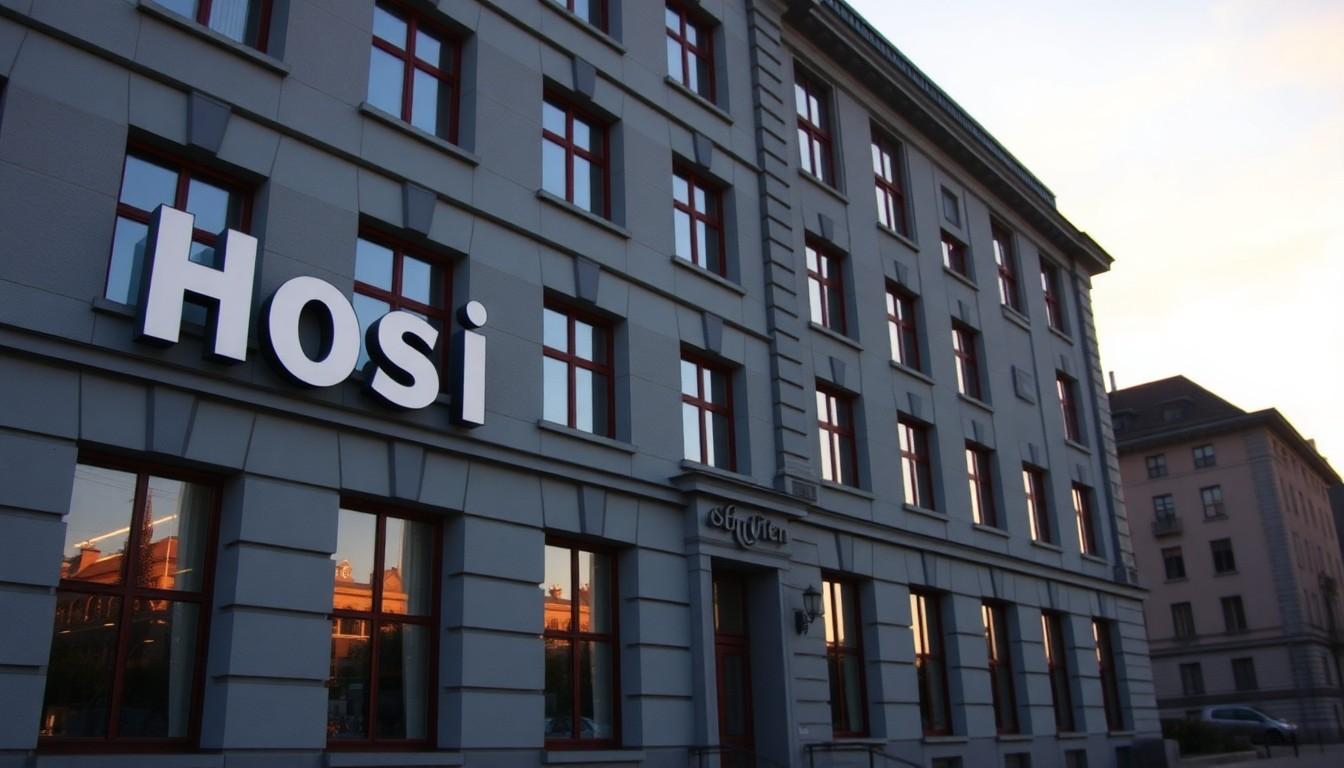
Celebrating three decades, Vienna’s Regenbogenparade returns as a colourful, political demonstration that blends party atmosphere with serious demands for LGBTQIA+ rights; thousands are expected in the city centre, and organisers urge visitors to plan around road closures and use the U-Bahn.
Essential Takeaways
- 30th anniversary: This year marks three decades of the Regenbogenparade in Vienna, underscoring long-term visibility and activism.
- Political focus: Organisers frame the parade as a demonstration for LGBTQIA+ rights, not just a festival.
- Logistics note: Major traffic restrictions start early and last into the evening; the ÖAMTC recommends using the U-Bahn.
- High turnout expected: Past events have drawn tens of thousands, sometimes setting new records, so expect crowds and a lively atmosphere.
- Safety and history: Authorities have previously prevented attacks, and counter-demonstrations have occurred, making security planning a key part of the event.
Why the 30th parade still matters , visibility with an edge
The parade’s anniversary is a reminder that pride in Vienna has never been purely decorative; it’s a visible push for rights and recognition. Ann‑Sophie Otte, chair of HOSI Wien, said three decades of marches show what visibility, protest and political pressure can achieve, and how much still lies ahead. That mix of celebration and civic demand gives the route a crackling, emotional energy , expect glitter, speeches and determined banners.
What to expect on the day , crowds, colour and city centre disruption
Organisers and metro operators warn that the inner city will see major traffic restrictions from the morning through the evening. According to travel advisories, road closures begin at 08:00 and detours will be busy, so the practical move is to ride the U-Bahn. Bring a lightweight rain layer if needed, and plan meeting points in advance , your phone battery and a sensible rendezvous spot will save the day amid the crush.
How this parade sits in Vienna’s queer history
Vienna’s parade has grown from a small protest into a mass event that still keeps a political spine. Past editions drew tens of thousands and sometimes record crowds, showing both broad support and the power of sustained activism. The city has also faced moments of tension , from counter-marches to authorities thwarting threats , so organisers work closely with police and civic groups to keep things safe while preserving the parade’s message.
Choosing how to join , march, volunteer or watch from the sidelines
There are lots of ways to take part: march with an NGO, volunteer with fanfare groups, or stake out a balcony for a perfect view. If you march, match your footwear to the cobbles and bring water; if you volunteer, expect briefings on safety and route changes. Spectators should pick spots near U-Bahn exits and set a clear meeting time , and remember that even if you’re there for the party, the parade’s demands are serious.
Looking ahead , what 30 years tells us about progress and the work left
Thirty years of parade history show tangible gains in law and daily life, yet the event’s organisers stress that legal change and social acceptance aren’t finished projects. The parade keeps the conversation live and visible, and that ongoing pressure is part of what transforms policy into practice. It’s both a celebration of wins and a nudge that the journey continues.
It's a small ritual with big implications , show up informed, pack smart, and enjoy the colour while remembering the cause.
Source Reference Map
Story idea inspired by: [1]
Sources by paragraph: