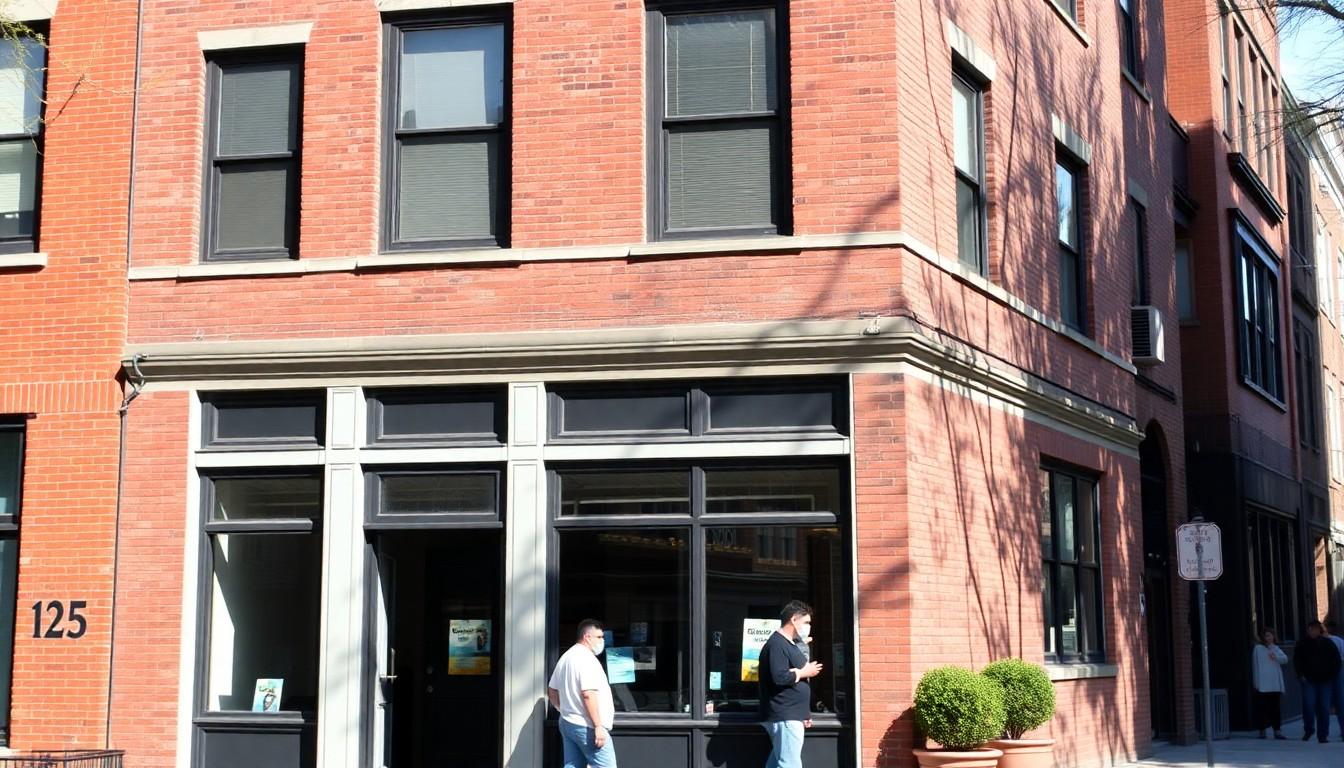
Watch the flags, feel the beat , and give yourself permission to feel whatever comes up. Chicago Pride is a huge, joyful, complicated event, so this guide helps LGBTQ+ people and allies navigate crowds, grief, identity questions, and overwhelm while enjoying Halsted Street safely and sustainably.
Essential Takeaways
- Crowds can trigger anxiety: large, noisy environments like Halsted during Pride are emotionally intense and may feel overwhelming.
- Mixed emotions are normal: joy, grief, numbness, and relief can all coexist during Pride weekend.
- Plan simple exits: knowing where to step away , a quiet bar, the lakefront, a friend’s apartment , reduces panic and builds control.
- Watch coping habits: alcohol and people-pleasing are common but can mask deeper feelings that deserve attention.
- Seek support if needed: persistent distress after Pride is valid and therapy or peer support can help process complex reactions.
Why Pride Can Feel Hard , Even When It Looks Celebratory
Pride is visible, loud and bright, and that contrast can sting when your inner landscape isn’t matching the parade. According to reporting on how pandemics and social isolation affected LGBTQ+ people, visibility events can paradoxically highlight isolation or anxiety for folks who’ve spent years hiding, or who live in less accepting spaces. The sensory load of Halsted , the music, the crowds, the relentless cheer , can push protective instincts into overdrive, leaving you exhausted rather than elated.
This is hardly a personal failure. Minority stress research explains that chronic stigma and threat create a background hum that doesn’t switch off just because flags are out. When you recognise that your reaction is shaped by history and context, it becomes easier to be gentler with yourself on the street and afterwards.
Practical Prep: How to Make Pride Feel Manageable
Start with small logistical moves that protect your energy. Pick a meetup spot and an exit route before you arrive, charge your phone, and agree a check-in text with a friend. If crowds spike your anxiety, plan a low-stimulation alternative , a quieter block, a patio, or a walk along the lake.
There’s also emotional prep. Name what you might feel: happiness, shame, grief, relief. Labelling emotions reduces surprise and gives you options for responding rather than reacting. Studies on stress and coping show that simple plans and predictable supports materially reduce overwhelm in intense social settings.
Identity Complexity: Imposter Feelings and Visibility Fatigue
Pride amplifies identity questions for many people , particularly for bisexual, pansexual, trans, nonbinary and BIPOC community members who may already navigate multiple, sometimes conflicting, social messages. Feeling “not queer enough” or exhausted by being visibly out is a real, common reaction; it’s part social comparison, part internalised expectation.
Community psychology work highlights that marginalised identities carry layered stressors, so it’s not surprising if Pride brings up doubt or fatigue. If you recognise imposter feelings, let curiosity lead: ask which part of you wants celebration and which part needs protection, and consider speaking with a queer-affirming therapist if confusion lingers.
Grief and Memory: Why Pride Can Also Hurt
Pride is celebratory, but it’s also memorial. For older LGBTQ+ Chicagoans and those aware of the movement’s history, the parade can surface grief for people and eras lost to AIDS, rejection, or violence. That bittersweet mix is normal , joy and mourning often share the same space on Halsted.
Clinical evidence shows that communal rituals can trigger both healing and sorrow. Allow yourself to mourn in public or private, and lean on rituals that soothe you , lighting a candle, visiting a memorial, or taking a quiet pause on the lakefront. Those small acts can honour loss without derailing the day.
If You Leave Feeling Worse: When to Reach Out
Sometimes Pride stirs up feelings that don’t settle in a day or two. If you’re experiencing ongoing depression, panic, or troubling identity questions, that’s a sign to talk with someone trained to help. Research connecting minority stress to mental health outcomes underscores the importance of timely support to prevent escalation.
Many local practices offer queer-affirming care, and telehealth makes it easier to access a therapist who understands Pride-related distress from anywhere in Illinois. Even a single session can help you unpack what came up and form a plan for moving forward.
Simple Do’s and Don’ts for Halsted Weekend
Do: set time limits for how long you’ll stay, carry water, and schedule breaks. Don’t: use alcohol or performance as the only way to cope with uncomfortable feelings. Do: make a list of safe spots and supportive people to text. Don’t: assume you have to match everyone else’s energy; you get to choose your version of Pride.
Pride can be a weekend of liberation, remembrance and complication at once. Treat it like a buffet , pick what feeds you, leave what drains you, and be kind to the parts of you that need rest.
It's a small change that can make every Halsted moment safer and more meaningful.
Source Reference Map
Story idea inspired by: [1]
Sources by paragraph: