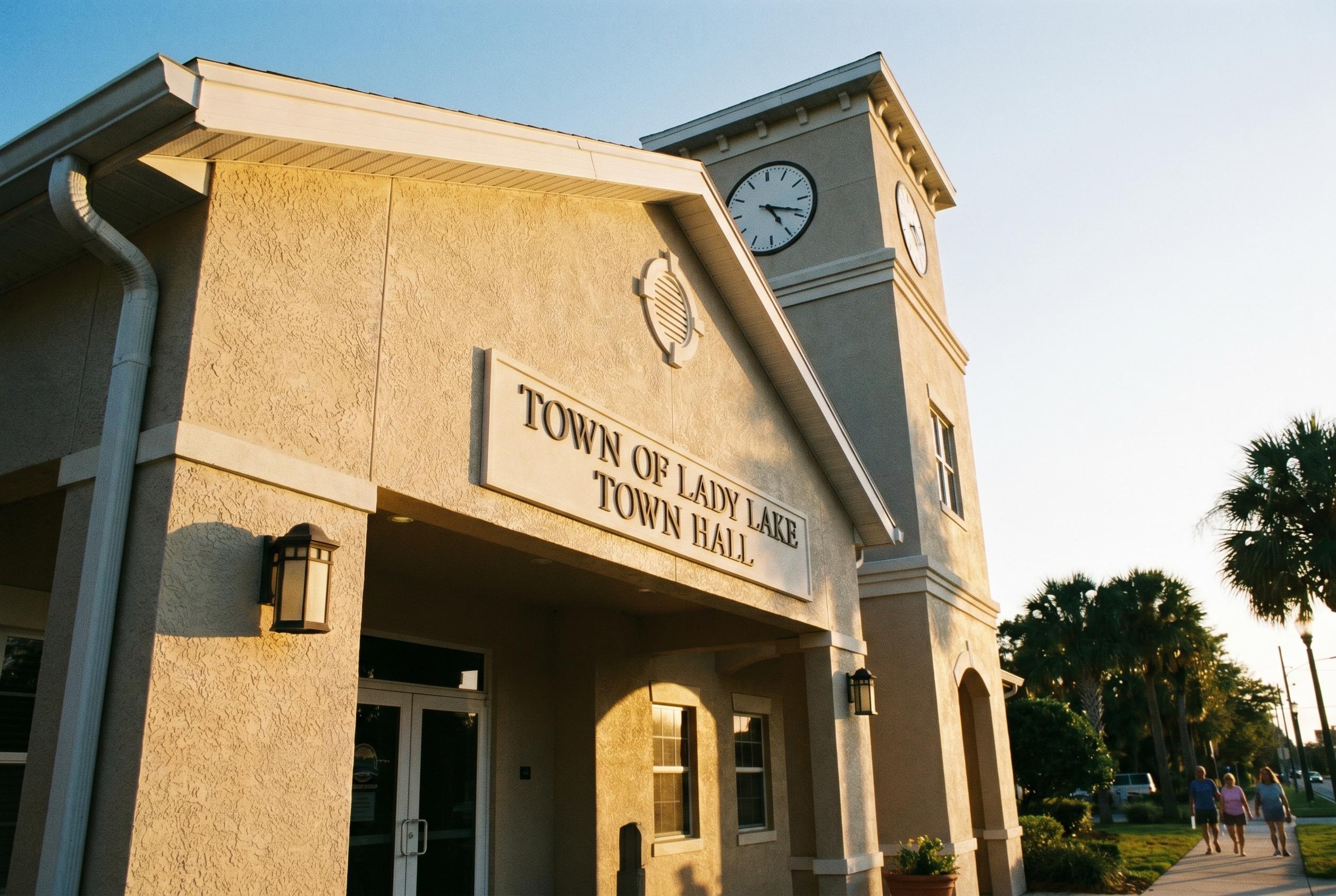
Watchful residents and town leaders in Lady Lake are revisiting a Pride Month proclamation this week, as Mayor Ed Freeman plans to read a statement at Monday’s commission meeting , a small-town moment with big civic and cultural implications for who the town says it welcomes.
Essential takeaways
- Mayor’s action: Ed Freeman is scheduled to proclaim June as Pride Month at the Lady Lake Commission meeting, bringing the issue back into the spotlight.
- Proclamation language: The declaration condemns prejudice across many identities and links Pride Month to the 1969 Stonewall protests.
- Local history: Lady Lake quietly issued Pride proclamations the past two years without controversy; the issue has become contentious only recently.
- Community response: Pastor-led objections argue the proclamation crosses into moral endorsement, and some commissioners say it’s polarising the town.
- Wider trend: Other Florida and US municipalities have seen similar debates and policy reevaluations around Pride proclamations.
What’s happening in Lady Lake and why it matters
Lady Lake’s mayor plans to read a Pride Month proclamation at a public meeting, a short ceremony that nevertheless touches on identity, inclusion and local politics. The proclamation explicitly denounces discrimination by age, gender identity, race, religion, sexual orientation and other characteristics, and notes June’s link to the Stonewall uprising. For residents who want a quieter town, that language can feel like an unnecessary spark; for others it’s a simple, visible welcome.
This isn’t a new practice for the town , leaders quietly issued the same recognition the last two years , but the current fuss shows how even routine symbolic acts can become focal points. Small towns elsewhere have seen similar flare-ups, and the debate often becomes as much about process and representation as the words themselves.
Who’s objecting and what they’re saying
The reaction that turned quiet proclamations into an issue came from a local pastor who says municipal leaders are overstepping by issuing what he interprets as moral endorsement. He and like-minded residents frame the matter as a defence of religious values rather than an attack on dignity.
Town commissioners are divided, and some have told local reporters the proclamation has become a force of division. That split mirrors disputes elsewhere where officials try to balance civic recognition with the views of constituents who feel excluded from, or threatened by, such gestures.
How other communities have handled Pride proclamations
Elsewhere, towns have adopted different approaches: some governments have followed through with proclamations with little fuss, others have rejected them amid public campaigns, and a few have revised policy to guide how proclamations are handled in future. Cities and counties sometimes specify criteria or create a neutral process so proclamations aren’t seen as ad hoc endorsements.
If Lady Lake wants to avoid repeat controversies, officials could look at nearby municipalities that set clear rules on proclamations, or open a public comment period before voting. That keeps the conversation transparent and gives residents a structured way to weigh in.
Practical choices for the commission and residents
There are sensible middle paths. The commission could proceed with the proclamation and pair it with a short explanation of the town’s non-discrimination stance, or it could pause and adopt a formal proclamations policy that applies to all causes equally. Another option is to host a forum where opposing views are heard without turning the council meeting into a battleground.
For residents, the simplest step is to engage constructively: read the full text, attend the meeting, email the commission, or ask for a special session. Those steps help everyone move from headlines to conversation.
What this says about small-town civic life
A few paragraphs read aloud at a council meeting can feel surprisingly weighty in a close-knit community. These moments test how towns balance tradition, law, moral beliefs and inclusion. Whether Lady Lake proceeds with the proclamation or opts for a new policy, the fallout will tell us something about how similar communities navigate cultural change and civic ritual.
It's a small civic flashpoint that could lead to clearer rules , or to ongoing debate.
Source Reference Map
Story idea inspired by: [1]
Sources by paragraph: