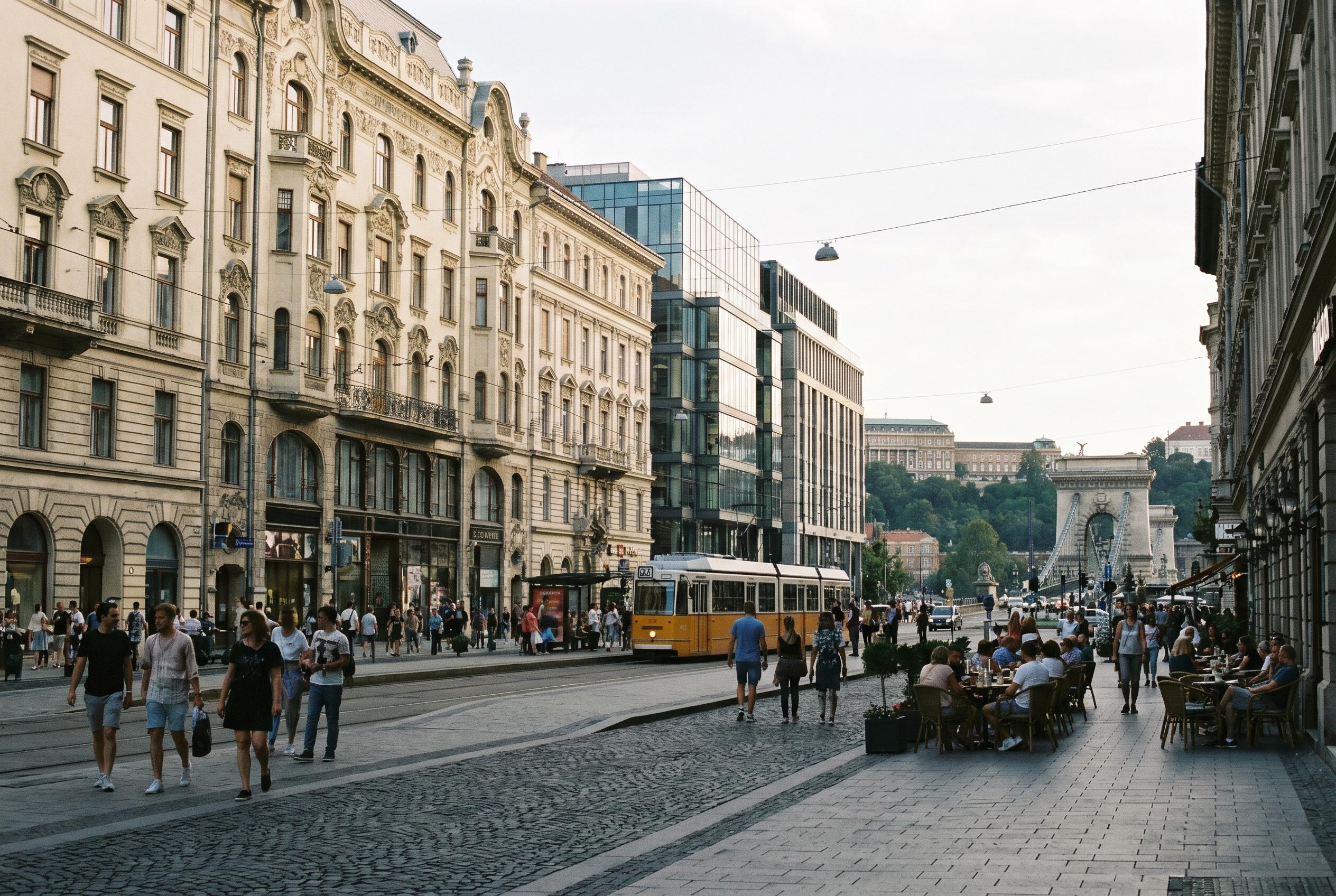
Shoppers are watching as Brussels unfreezes over €16bn for Hungary, after Péter Magyar’s election opened a door to reforms and human-rights fixes; the move matters because it frees cash for housing, transport and small business while Budapest Pride has now been granted police permission to march.
Essential Takeaways
- Big release: The EU agreed to unlock more than €16bn previously frozen over rule-of-law concerns, aimed at cohesion, housing and energy.
- Conditional tranches: Around €2.2bn is linked to restoring academic freedom and roughly €500m tied to compliance with an EU court ruling on anti-LGBTQ laws.
- Pride approved: Budapest police said the 27 June Pride notification raised no grounds for prohibition and granted the march permission.
- Tension remains: The new government hasn’t yet repealed the previous anti-Pride legislation, so legal and political questions persist.
- Atmosphere: There’s cautious optimism on the streets , people are relieved, but many will watch the courts and politicians closely.
A historic funding thaw , what actually changed
Brussels has flipped the switch on a major pot of cash that had been frozen under Viktor Orbán’s government, and the figure , more than €16bn , is headline-grabbing for a reason: it bankrolls visible, everyday projects. Ursula von der Leyen hailed the move as proof of “winds of change”, and the money is earmarked for housing, transport, energy and support for small and medium enterprises. That’s the kind of spending voters feel in their towns and cities.
The release is not unconditional, though. The Commission has tied parts of the sum to specific democratic fixes, notably academic freedom and compliance with a European court decision on discriminatory laws against LGBTQ people. So while the cash can start flowing, Hungary still needs to deliver on clear reforms. It’s a pragmatic step: reward early reform while keeping leverage.
Why the Pride decision matters beyond a parade
Police approval of Budapest Pride for 27 June is more than a single date on a calendar; it’s symbolic of the broader shift after the election of Péter Magyar. Last year, authorities tried to block the march under legislation that had been adjusted to permit such bans , legislation that drew EU-wide condemnation for targeting LGBTQ communities. Allowing Pride to proceed signals a softer public-security approach for now, and it offers hope to activists.
Organisers said they had little doubt the march would go ahead, especially after the EU’s top court found the 2021 anti-LGBTQ law discriminatory. Still, the new Hungarian government has not torn up the law. That leaves Pride’s green light as cautious progress rather than a full legal reversal.
The political backdrop: Magyar’s win and a textured transition
Péter Magyar’s landslide victory fundamentally changed the political mood in Hungary, ending 16 years of Orbán’s rule and sparking celebrations across the country. The new prime minister has publicly voiced support for equality and freedom of assembly, which helped convince Brussels to unfreeze funds. But Magyar hasn’t legislated yet to restore all rights stripped under the previous administration.
In practice that means quicker access to EU support but continued scrutiny. The Commission still holds back tranches tied to specific benchmarks , a tool designed to keep the momentum for reform. It’s a conditional embrace: money comes with strings intended to protect civil liberties and academic independence.
What this means on the ground: projects, protections and crowds
For everyday Hungarians, the unlocked funds can translate into new social housing, energy upgrades and loans for small businesses , practical, tangible changes that can alter daily life. EU financing for cohesion projects tends to show results within months to a few years, especially for infrastructure and local enterprise programmes.
For civil-society groups and activists, the priorities are different: they want legal guarantees and enforcement. The EU has tied about €500m to compliance with the European court’s ruling on discriminatory laws, which keeps the pressure on Budapest to make durable legal fixes rather than temporary political gestures.
Looking ahead: cautious optimism and watchful eyes
There’s reason to be hopeful but not complacent. The funding decision and the police green light for Pride point to a country in transition, where public celebrations mix with legal uncertainty. Observers in Brussels and activists at home will be watching whether Magyar’s government moves to repeal discriminatory statutes or simply manages public events without changing the underlying law.
If Hungary follows through on the conditions attached to the money, citizens could see both improved services and restored rights. If not, the tail of conditional funding gives Brussels a lever to act again. For now, streets in Budapest may feel lighter, and Pride is set to be a visible marker of change.
It's a small change that can make every march and municipal project safer and more certain.
Source Reference Map
Story idea inspired by: [1]
Sources by paragraph: