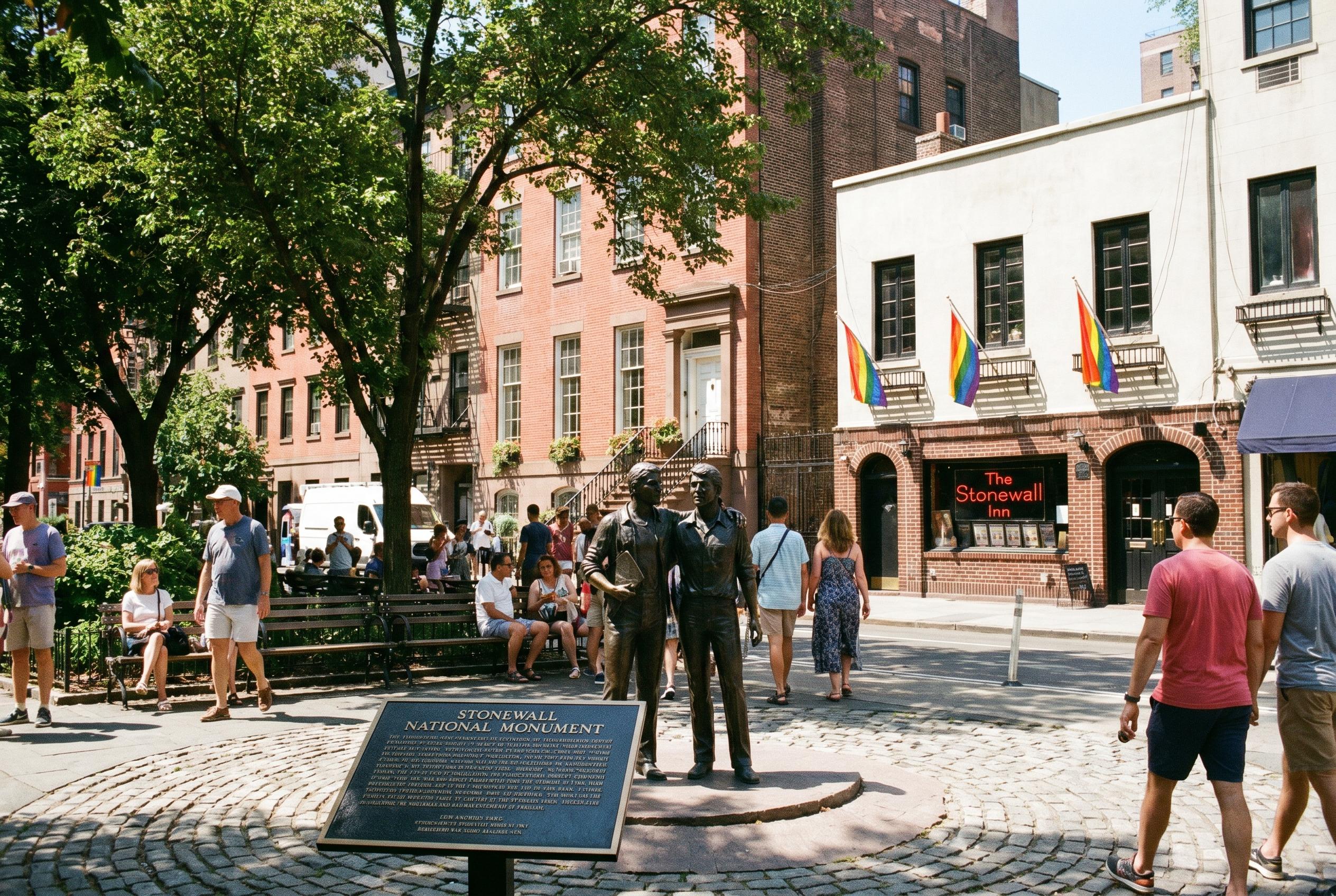
Spotlight preservationists are watching 11 historic sites tied to equality movements this year, and knowing their stories helps protect shared heritage across the United States. From Stonewall to the President’s House Site, these places matter to communities and to the promise of America.
Essential Takeaways
- Key theme: The 2026 list centres on sites linked to movements for equality, marking America’s 250th with a focus on inclusion.
- Notable entries: Stonewall National Monument, the President’s House Site in Philadelphia, and Women’s Rights National Historical Park made the list.
- Threat types: Sites face risks from neglect, development pressure, and insufficient funding , many show visible wear or need urgent stewardship.
- Visitor note: Several locations remain public and visitable, offering powerful, tangible history experiences; others require advocacy to stay accessible.
- How to help: Donations, volunteerism, local advocacy, and publicising site histories all boost preservation efforts.
Why equality-themed sites top the endangered list this year
The National Trust for Historic Preservation has framed its 2026 list around the promise that everyone is created equal, a theme tied to the nation’s 250th birthday, so these sites are getting extra attention. That choice makes the list feel intentionally timely and moral, not just archival. According to the Trust, highlighting places connected to civil rights, women’s suffrage and LGBTQ+ history underlines how physical places help tell complex national stories. If you visit, expect moments that can feel quiet and solemn , a bench, a plaque, or a crumbling wall that anchors larger struggles.
Stonewall and LGBTQ+ memory: why it matters now
Stonewall National Monument’s inclusion is both symbolic and practical: it’s a touchstone for LGBTQ+ history that still needs active protection and interpretation. As PBS and other outlets have noted, preserving Stonewall helps younger visitors connect with the fight for rights in a way a textbook can’t replicate. For communities, the monument is a living site of memory where ceremonies, protests and quiet reflection happen , so keeping it accessible and well-maintained is essential. Support can look simple: attend events, donate to local LGBTQ+ archives, or press local authorities for ongoing maintenance.
The President’s House Site: history that complicates celebrations
The President’s House Site in Philadelphia draws attention because it sits at the intersection of power and injustice , George Washington’s presidential residence also included enslaved people. Coverage in local and national outlets has pushed the public to confront uncomfortable truths in familiar places. That complexity is exactly why preservationists argue it should be protected and interpreted rather than hidden. Practical advice: when you visit such sites, seek out interpretive programmes or tours that centre all voices, and encourage schools to include these layered histories in curricula.
Women’s Rights sites remind us how fragile progress can be
Women’s Rights National Historical Park and other suffrage-era locations on the list show that milestones in equality are anchored in physical places that can erode if left alone. The Los Angeles Times and Washington Post coverage highlights how these spots help communities celebrate hard-won gains while recognising ongoing gaps. If you care about gender equality, supporting the caretakers of these parks or attending anniversary commemorations keeps the stories visible. Small acts , donating, volunteering, or sharing social media posts , help maintain momentum.
What preservationists want you to do (and why it helps)
The National Trust and preservation groups are asking for more than sympathy: they want practical engagement. That includes increased funding, policy protections, and community-led stewardship. National Park Service links to several sites mean some are eligible for federal support, but many rely on local fundraising and volunteers. If you’re local, consider joining a “friends of” group; if you’re a visitor, buy a guidebook or give to the park trust. These actions keep plaques readable, buildings weatherproof and the stories audible for future visitors.
Looking ahead: a fuller, messier national story
Highlighting equality-themed historic places during the 250th year reframes celebration as conversation. Industry reporting suggests this list could catalyse new partnerships between national groups and local communities, shifting preservation from nostalgia to active justice work. Expect more interpretive programming, some renovation projects, and debates about how to present difficult histories. It’s messy, often emotional, and absolutely necessary , because once a place is lost, the textures of memory go with it.
It's a small change that can make every historic site safer and more truthful for the next generation.
Source Reference Map
Story idea inspired by: [1]
Sources by paragraph: