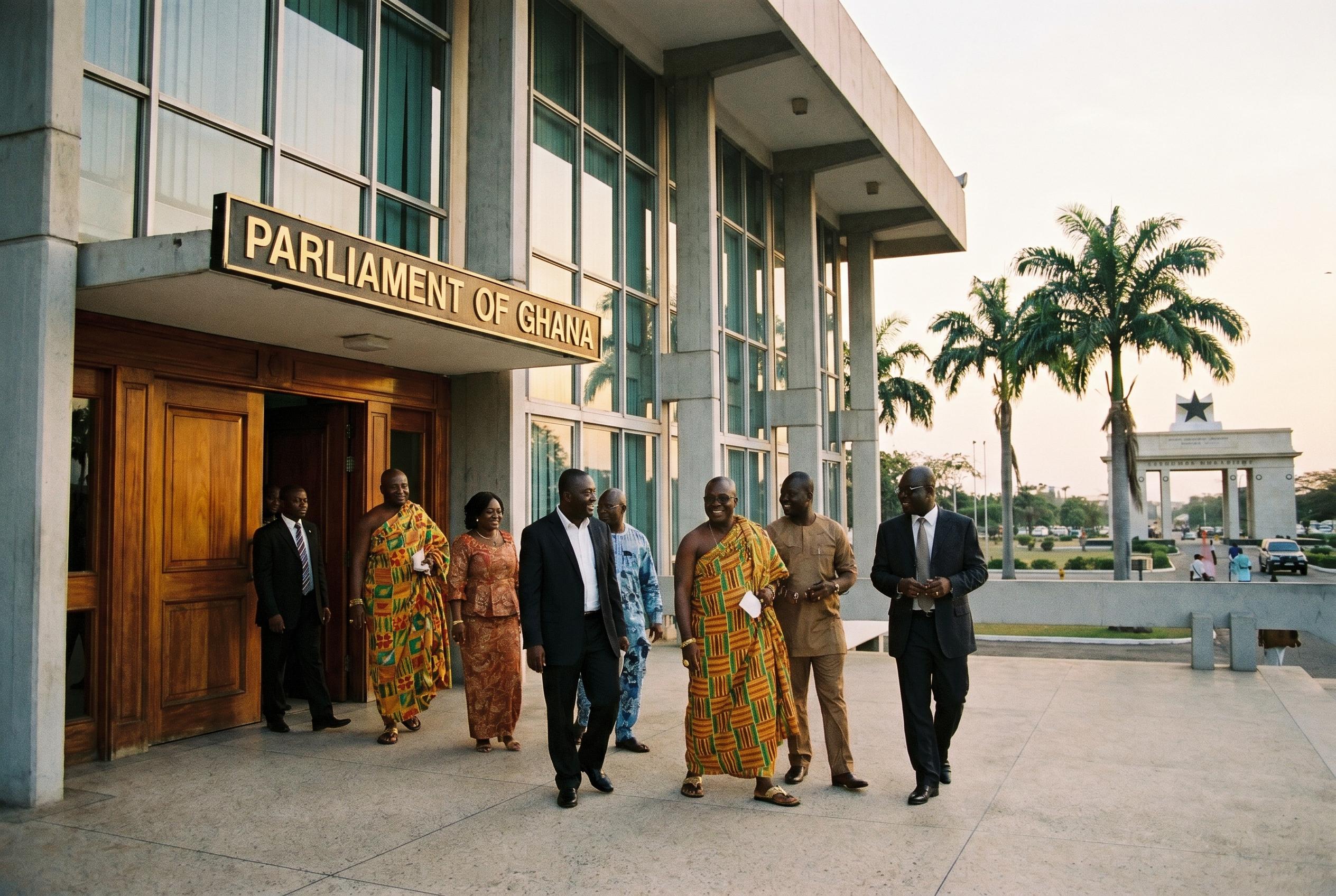
Watchful citizens are asking hard questions after Parliament passed the controversial Anti‑LGBTQ+ Bill; activists and MPs say the vote may have lacked the constitutionally required quorum, why it matters, and what legal and political steps could follow.
Essential Takeaways
- Quorum concern: Legal activist Oliver Barker‑Vormawor and others say the bill was passed with just 34 MPs present, raising questions about procedural validity and potential constitutional challenge.
- Amendments added: Parliament introduced exemptions for lawyers, journalists, medical staff and some institutions, a change that altered the bill’s reach and drew fresh criticism.
- Opposition pushback: Minority MPs argued the need for exemptions shows the original draft was seriously flawed and that parliamentary process lacked consistency.
- Next steps likely: Calls for a presidential review, cease‑and‑desist letters and possible legal action have been floated; court challenges over quorum or other procedural irregularities are plausible.
- Public reaction: The issue has triggered strong debate on social media and among civil society, with broader implications for rights, services and professional practice.
Why the quorum question matters , and it feels urgent
If a law is passed without the constitutionally mandated quorum, it can be vulnerable to legal attack and set aside by the courts. That’s the blunt reality being raised by private legal practitioner Oliver Barker‑Vormawor, who posted that only 34 MPs were present when the Anti‑LGBTQ+ Bill was approved. The claim has pushed the technicalities of parliamentary procedure into the spotlight and turned what might have been a policy row into a constitutional controversy. According to reports, voices across social media and civil society immediately amplified the claim, meaning this is now both a legal and a political story.
What changed in the bill , exemptions and political fall‑out
Parliament didn’t pass the original draft intact; MPs introduced amendments at committee stage that carve out exemptions for certain professionals and outlets. Lawyers providing representation, journalists and media organisations reporting on LGBTQ+ issues, and medical professionals offering care were among those shielded from sanctions. That tweak didn’t calm critics. Instead, Minority MPs argued the very need for exemptions underlined the draft’s flaws and inconsistency. Graphic Online and other outlets noted intense debate in the chamber before the final vote.
How MPs and activists reacted in real time
Opposition MPs were vocal on the floor, pointing to ambiguity and potential enforcement problems if the law becomes operational. Meanwhile, campaigners and legal practitioners have been quick to mobilise, suggesting a mix of political pressure and legal remedies. Some have urged the President to review the matter, and Barker‑Vormawor himself hinted at a cease‑and‑desist approach. The mix of parliamentary pushback and public outcry means this won’t be a quiet aftermath; expect both courtroom filings and renewed parliamentary scrutiny.
Practical implications for professionals and services
Those exemptions matter in practical terms: journalists, lawyers and healthcare workers flagged as protected would still face legal uncertainty if enforcement is patchy or the law is later struck down. Healthcare providers, for instance, worried about access to counselling and medical support, will be watching whether protections are enforceable in practice. Civil society groups are already discussing contingency plans to protect vulnerable people, while legal teams consider how best to frame any constitutional challenge , quorum being one obvious avenue.
What comes next , legal routes and political manoeuvres
A likely sequence: legal practitioners lodge a petition challenging the validity of the vote, political actors press the President for a review or legal opinion, and civil society sustains public pressure through campaigns. Reuters‑style parliamentary coverage has already tracked the bill’s scheduling and committee amendments earlier this year, suggesting procedural threads for lawyers to follow. If the courts find the vote procedurally defective, the bill could be invalidated or sent back for reconsideration, prolonging the debate and keeping the issue in the headlines.
It's a small procedural detail with big consequences , and one that will decide whether this bill stands or stumbles.
Source Reference Map
Story idea inspired by: [1]
Sources by paragraph: