Shoppers and passers-by in central London watched as Sir Ian McKellen led a compact but fierce protest to spotlight the criminalisation of LGBTQ+ people in 29 Commonwealth countries , a visual reminder that old colonial laws still hurt lives far beyond Britain’s shores.
Essential Takeaways
- High-profile action: Sir Ian McKellen joined a march in central London organised by the Peter Tatchell Foundation and Out and Proud African LGBTI Network, protesting outside eight high commissions.
- Legal reality: Same-sex relations are illegal in 29 Commonwealth countries; penalties range from fines and imprisonment to life sentences and, in some cases, the death penalty.
- Colonial legacy: Activists highlighted that many anti-LGBTQ+ laws were introduced under British colonial rule and remain on the books today.
- Message and mood: The demonstration was framed as solidarity and a call for justice, not hostility, with signs urging Britain’s monarch to acknowledge historical harm.
- Visibility matters: Organisers hope the action nudges Commonwealth politicians to discuss LGBTQ+ rights and reassures people living in fear that they are not forgotten.
Why a small march in London still grabs headlines
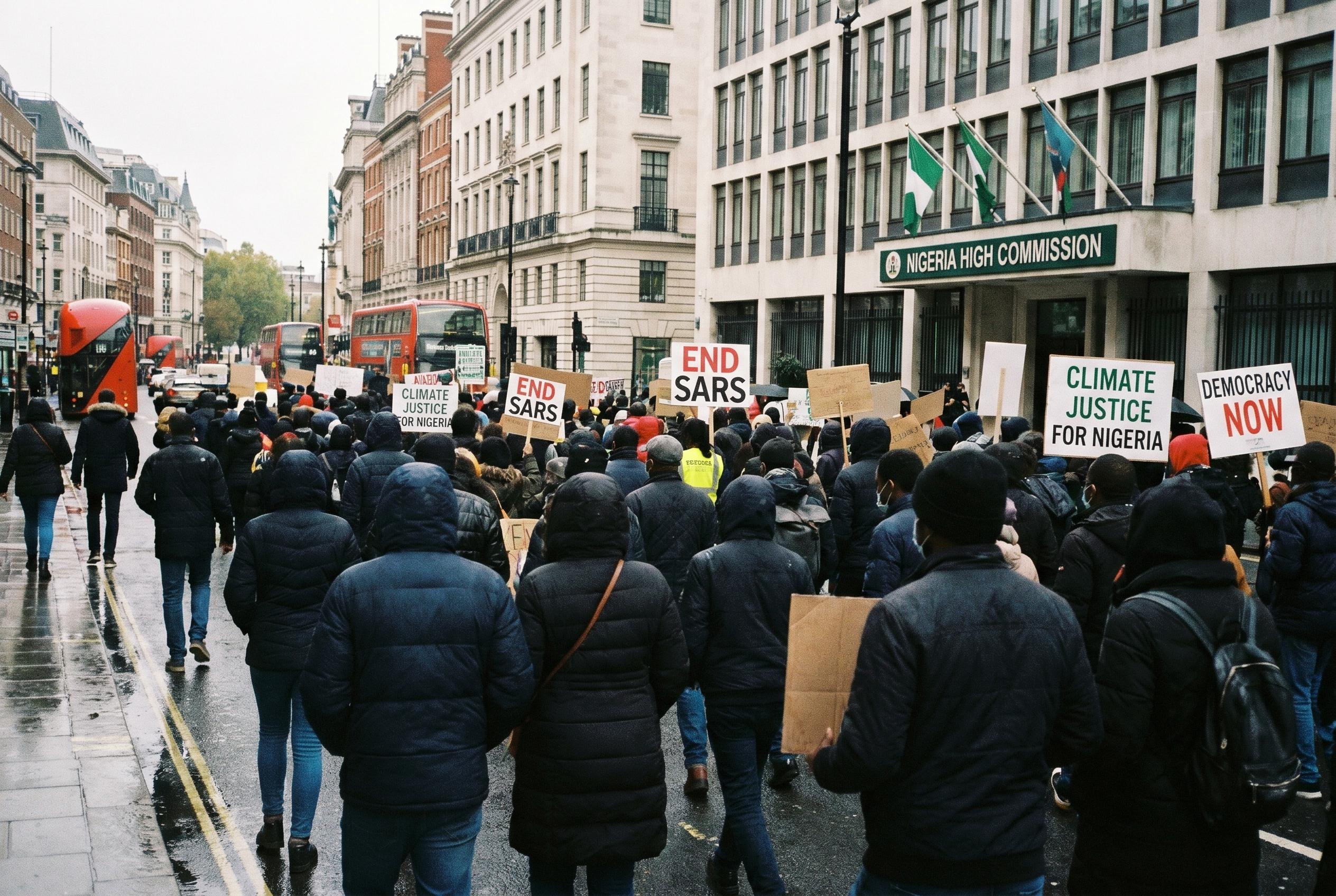
A handful of hundred people, a few loud chants and Sir Ian McKellen’s unmistakable presence made the protest feel intimate and urgent, not theatrical. According to reports, the “Commonwealth Walk of Shame” hit key diplomatic sites in central London, starting at the Nigerian High Commission and moving on to Uganda, Papua New Guinea, Trinidad & Tobago, Ghana, Jamaica, Bangladesh and Sri Lanka. The sensory picture was simple: placards, speeches and a determined crowd, all aimed at forcing a conversation many institutions avoid.
This kind of grassroots theatre works because it’s personal. Organisers told reporters they wanted to send encouragement to LGBTQ+ people living under criminalisation, and McKellen explicitly said the demonstration was about “a love of justice, a love of equality.” That human note , quiet, empathetic , is what turns a photo op into a political nudge.
The laws on the books , and where they came from
A stark fact lies behind the march: dozens of countries still criminalise same-sex relations, and penalties vary dramatically. Some nations impose short jail terms, others life imprisonment, and a few, including Uganda and Nigeria, maintain laws that can carry the death penalty. Activists point out that many of those statutes were introduced under British colonial administration and have persisted long after independence.
That colonial thread reshapes the debate. It’s not just about contemporary culture or religion; it’s also about inherited legal frameworks. Speakers at the protest argued Britain should acknowledge this history and use diplomatic weight to encourage reform. For campaigners, naming the origin of these laws helps shift responsibility onto institutions that can influence change.
What organisers want from the Commonwealth and why it’s not on the agenda
The marchers urged the Commonwealth to put LGBTQ+ persecution on its agenda , something it rarely does, campaigners say. McKellen and other speakers hoped the visual pressure of marching outside high commissions would “nudge” politicians into talking about human rights that affect millions.
There’s a practical angle too. Public diplomacy, targeted development aid and quiet bilateral pressure are tools that could be used to promote reform. Activists want open discussion rather than silence, because silence leaves people vulnerable and isolated. The demonstration was designed to be a starter: visibility, followed by sustained political engagement.
How this matters to people living in fear
For individuals in countries where same-sex relations are criminalised, the stakes are immediate and chilling. Organisers stressed that many LGBTQ+ people live in hiding, facing arrest or violence. The march aimed to be both symbolic support and a real-world lifeline: a reminder that international attention exists and that reform campaigns are not just Western posturing.
If you’re supporting friends or family in such contexts, small actions can matter: amplify local groups, donate to trusted networks, and respect the safety protocols those organisations recommend. Public demonstrations in London don’t change laws overnight, but they can create pressure and morale , two necessary ingredients for long-term change.
What happens next , and how readers can help
Expect more targeted advocacy rather than one-off marches. Campaigners will likely push for diplomatic conversations within Commonwealth institutions, for parliamentary scrutiny in the UK and for partnerships with civil-society groups inside affected countries. The hope is that sustained dialogue, legal clinics and international pressure will slowly chip away at colonial-era statutes.
If you want to do something practical: follow and fund credible local LGBTQ+ organisations, sign petitions from reputable campaign groups, and contact your MP to ask what steps the UK government is taking to address legacy laws in the Commonwealth. Little acts add up.
It's a small change that can make every shout, chant and placard part of a longer arc toward justice.
Source Reference Map
Story idea inspired by: [1]
Sources by paragraph: