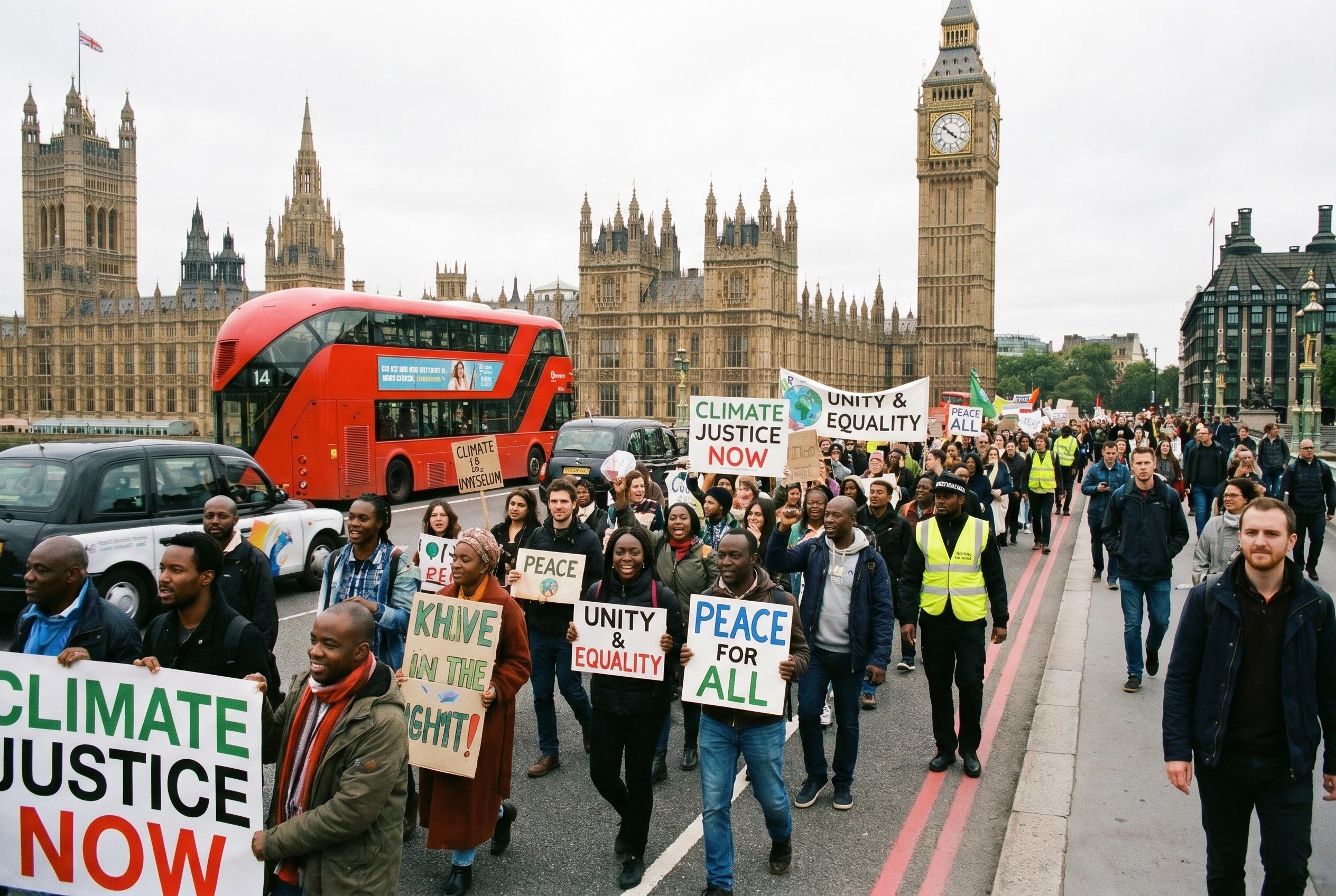
Shoppers and passers-by paused as Sir Ian McKellen led the Commonwealth "Walk of Shame" in London, a vivid protest against colonial-era laws that still criminalise LGBT+ people in 29 Commonwealth countries; activists and refugees gathered outside the Nigeria High Commission to demand action and solidarity.
Essential Takeaways
- High-profile leadership: Sir Ian McKellen, born in Burnley, fronted the march, lending visibility and moral weight to the campaign.
- Colonial legacy: The protest targets laws imposed during the British Empire that continue to criminalise same-sex relationships across much of the Commonwealth.
- Severe penalties: In some countries the maximum sentence is life imprisonment; in Uganda, Brunei and parts of northern Nigeria death penalties are on the books or threatened.
- Voices of lived experience: Many marchers were LGBT+ refugees who fled persecution, bringing urgent, personal testimony to the action.
- Organisers and demand: The Peter Tatchell Foundation and partner groups urged new Commonwealth leadership to declare anti-LGBT+ laws incompatible with Commonwealth values.
A vivid morning on the pavement , celebrity, colour and a clear message
The scene outside the Nigeria High Commission was part theatre, part urgent protest, and it felt immediate and human. Sir Ian McKellen led the procession, his presence turning heads and putting a familiar face to a grim international problem. According to reports, the march began in central London and called out the colonial roots of modern anti-LGBT+ law. For onlookers the mix of banners, chants and personal testimony made the issue hard to ignore.
The decision to stage a visible London protest reflects strategy as much as sentiment. Organisers wanted to embarrass the Commonwealth into action , hence "Walk of Shame" , and using a high-profile actor helps the story travel. It's the kind of public spectacle that can break through the fog of diplomatic language and make the human stakes clear.
Why these laws still matter , the colonial thread runs deep
The protest highlighted the uncomfortable truth that many of the offending laws were exported from Britain during the empire and then left in place. Activists argue that calling them "relics" isn't just rhetoric; it's a practical framing that points to responsibility and remedies. In interviews, marchers and organisers stressed that the legal penalties are not abstract: they shape whether people can work, date, or simply walk home safely.
That legacy framing also reframes the ask of current British and Commonwealth leaders: it's not just about sympathy, it's about acknowledging a legal and historical role. Campaigners want the Commonwealth to move from platitudes to explicit condemnation of criminalisation.
Refugee voices brought the human cost into focus
One of the most striking elements was the number of marchers who were LGBT+ refugees, people who had fled real danger in Commonwealth countries. Speakers described living under laws designed to erase their humanity and how silence had protected persecution. Those testimonies turned statistics into lived experience, making it clear that the issue affects daily life, not just abstract legal theory.
Practical takeaways for readers: if you want to support refugees and asylum seekers, local LGBT+ charities and community groups often need volunteers, donations or safe-housing assistance. Public pressure helps too; letters to parliamentary representatives and petitions can push diplomatic attention.
Who organised it , alliances across borders and causes
The Peter Tatchell Foundation organised the walk alongside groups including Out and Proud Africa LGBTI, Let Voice Be Heard from Bangladesh, Gay Indian Network and the African Equality Foundation. That coalition underscores the transnational nature of the fight: it isn't the work of a single group but a patchwork of organisations with firsthand stakes.
Coalitions matter because they combine local knowledge with international platforms. Campaigners urged the new Commonwealth Secretary-General to begin her tenure by denouncing anti-LGBT+ victimisation and making it clear such laws are at odds with declared Commonwealth values.
What next , public pressure and diplomatic nudges
Protesters targeted multiple Commonwealth High Commissions, hoping to convert moral pressure into diplomatic action. Organisers called for stronger statements and concrete steps from Commonwealth leadership. Whether that will translate into policy change is an open question, but public visibility and consistent advocacy have pushed similar issues up the agenda before.
If you're wondering how to help, sign petitions from reputable groups, amplify refugee stories responsibly, and support charities working on legal defence and resettlement. Small acts add up, and campaigns like this show how solidarity can make otherwise invisible struggles seen.
It's a small change that could make every life a little safer.
Source Reference Map
Story idea inspired by: [1]
Sources by paragraph: