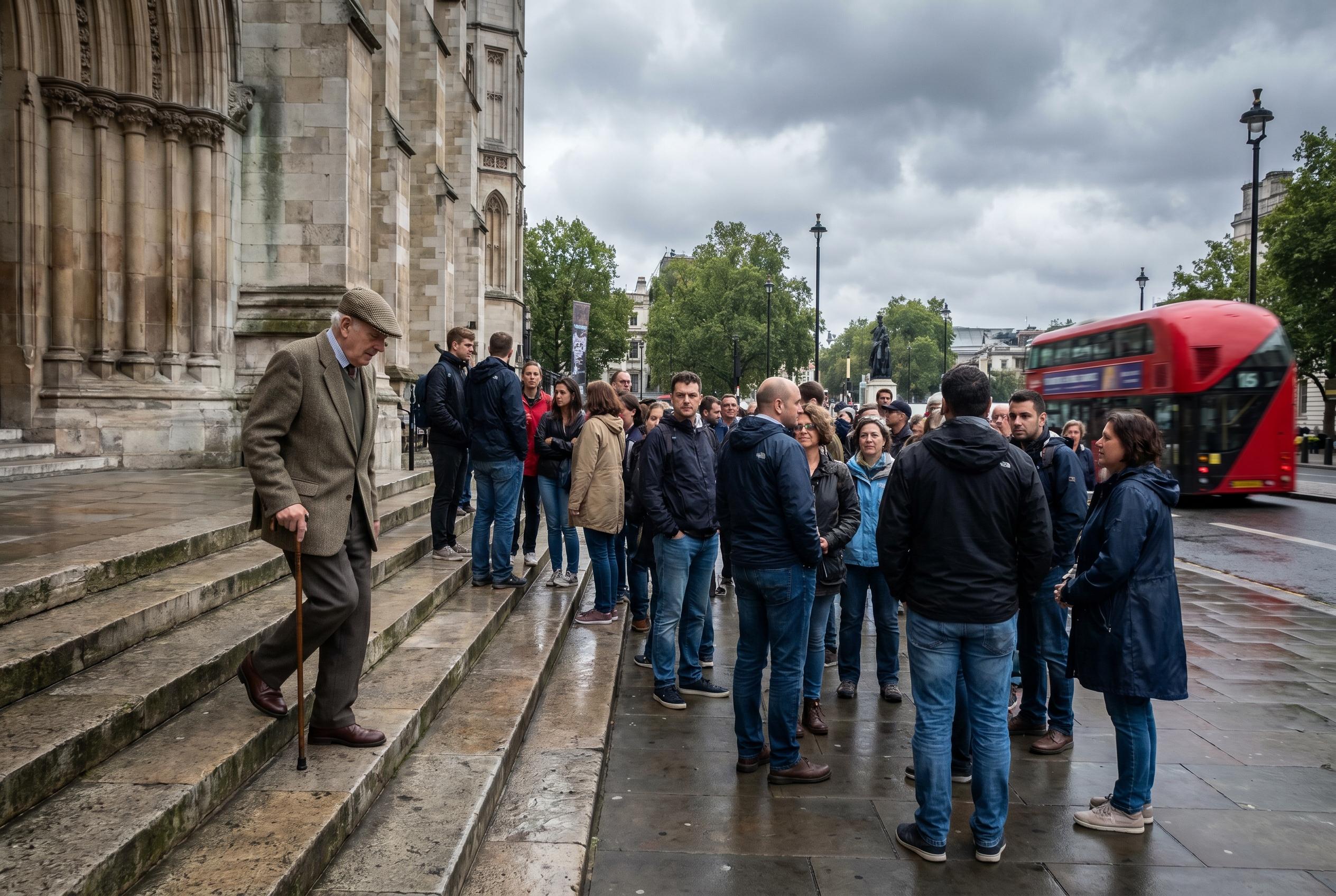
Shoppers, activists and curious passers-by gathered in London as Sir Ian McKellen helped lead the Commonwealth Walk of Shame, a high-profile protest drawing attention to colonial-era laws that still criminalise same-sex relations in 29 Commonwealth countries, and why that matters for millions today.
Essential Takeaways
- High-profile lead: Sir Ian McKellen, aged 87, fronted the London march, adding celebrity visibility and emotional weight.
- Historic cause: The demonstration highlights laws rooted in British colonial rule that still criminalise LGBTQ+ people in 29 Commonwealth nations.
- Human stakes: Penalties range from imprisonment to, in a few places, possible death , activists stressed the real danger for refugees and LGBTQ+ citizens.
- Route and focus: The march began outside the Nigerian High Commission and visited several Commonwealth diplomatic missions, combining spectacle with targeted pressure.
- Message and momentum: Protesters framed the campaign as both a moral call and a diplomatic nudge, urging the UK and other Commonwealth nations to confront colonial legacies.
A vivid opening: McKellen’s presence turned heads and softened the street noise
The sight of Sir Ian McKellen at the front of the march gave the event an immediate human heartbeat, a warm, familiar face amid placards and chants. Reporters described a crowd that mixed long-time activists, young campaigners and refugees who’d fled persecution, which made the protest feel both personal and theatrical. According to coverage, organisers wanted the walk to be visual and unignorable, and celebrity involvement did just that. For many onlookers the combination of theatre and protest made the issue harder to shrug off.
Colonial roots: why the laws still exist matters more than you might think
Organisers repeatedly pointed out that many of the offending statutes were introduced under British colonial administrations and then left embedded in local legal systems. That history gives the campaign a particular angle: it’s not just an external human-rights critique, it’s a conversation about legacy and responsibility. Reuters and other outlets noted that activists see this as a chance for the UK to reckon with the aftershocks of empire, not least because Britain itself has long since repealed comparable laws.
The human cost: penalties, fear and asylum stories that demand attention
Campaigners made the stakes painfully clear , imprisonment, life sentences and in rare cases the death penalty are still on the books in some countries. That’s why the march included refugees and people with first‑hand accounts of persecution, giving the slogans a human voice. Coverage described how those testimonies turned abstract legal debate into urgent human stories. If you’re following this issue, it’s worth listening to those accounts: they explain why diplomatic pressure and safe asylum routes really matter.
Tactics and targets: why starting at the Nigerian High Commission was strategic
The route, beginning outside the Nigerian High Commission and visiting other Commonwealth diplomatic missions, was a deliberate choice. It focused media attention on governments currently enforcing or debating these laws rather than on distant statistics. Reporters noted that this kind of direct, location-based protest aims to shift public diplomacy , and it’s often more effective than solitary statements. If activists want legal change, they need both global attention and specific, sustained pressure on policymakers.
What this moment signals for the wider movement
Having a cultural icon like McKellen still speaking out at 87 sends a pointed message: activism doesn’t retire. Campaigners hope his involvement will galvanise younger people and keep momentum going in international forums and domestic politics. Observers suggested the protest could prod debates inside the Commonwealth and spur countries to examine the origins of their laws. For anyone tracking LGBTQ+ rights globally, this is another reminder that legal reform often takes years of visible pressure and political will.
It's a small change that can make every protest and every plea harder to ignore.
Source Reference Map
Story idea inspired by: [1]
Sources by paragraph: