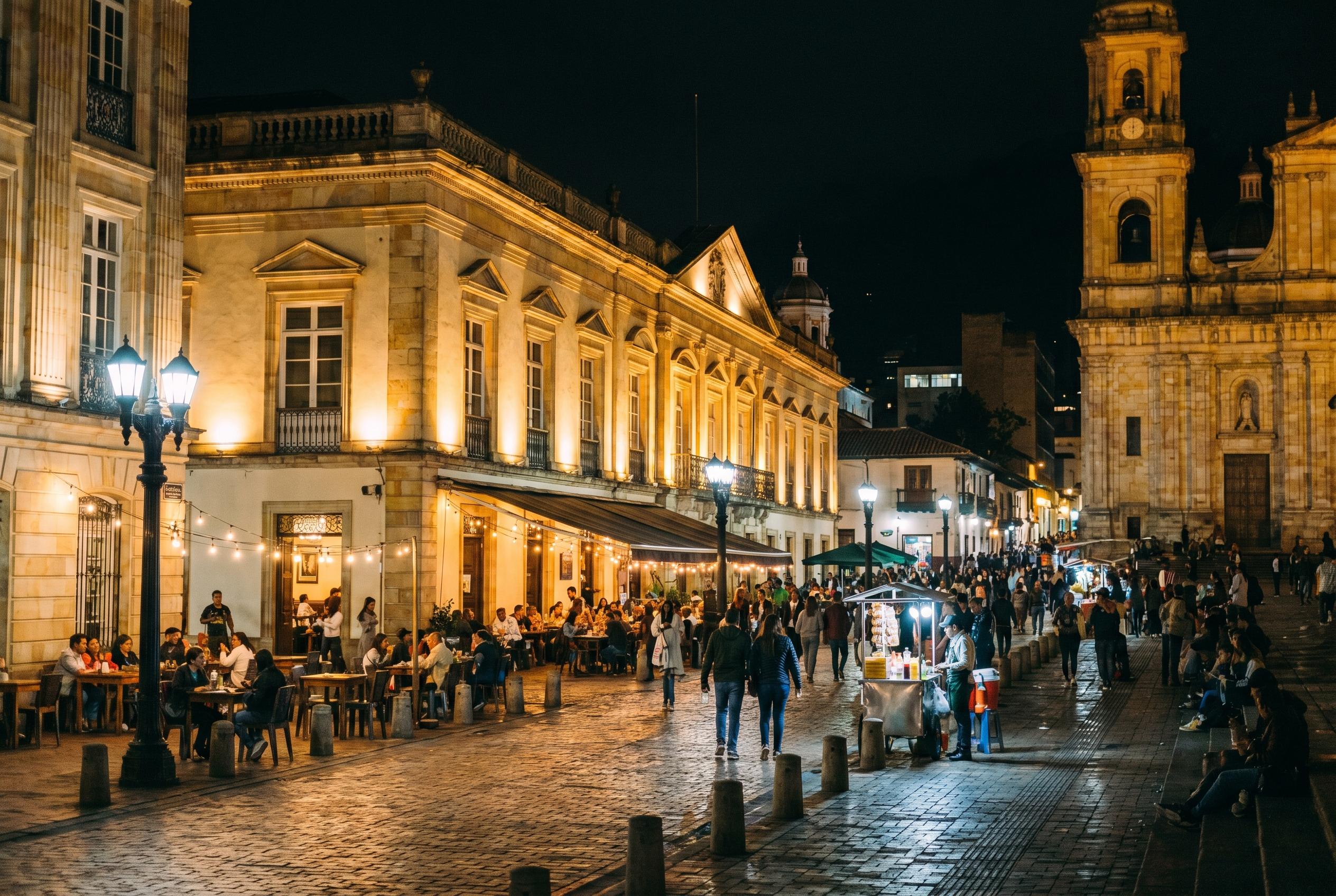
Discover why more LGBTQ+ travellers are choosing Colombia for culture, coastlines and welcoming city scenes , from Bogotá’s high-altitude museums to Cartagena’s sun-drenched Old Town, plus practical tips on safety, transport and the best gay-friendly nights out.
Essential Takeaways
- Progressive legal climate: Colombia offers strong legal protections and visibility for LGBTQ+ people, including marriage and anti-discrimination measures.
- Bogotá buzz: High-altitude Bogotá has free museums, an active queer nightlife in Chapinero and a must-see Museo LGBTI.
- Cartagena charm: The walled Old Town and nearby islands provide warm weather, colourful streets and several popular gay-friendly clubs and beaches.
- Practical travel tips: Use rideshare apps, carry pesos or use ATMs, dress casually, and be discreet outside major cities.
- Sensory wins: Expect vibrant street music, fragrant bougainvillea, tropical fruit markets and a lively club scene with a sturdy, inclusive vibe.
Why Colombia feels unexpectedly warm and welcoming
Colombia surprises a first-time visitor with how openly colourful and sociable it can feel, and you notice that in small, human ways , the friendly greetings, lively street music and cafes that spill onto plazas. According to official tourism resources, the country actively promotes LGBTQ+ travel and has events and services that make queer visitors feel seen. That combination of visible culture and deliberate welcome turns a holiday into something more relaxed and personal. If you’re used to tiptoeing around on foreign trips, Colombia’s blend of hospitality and bustle feels refreshingly loose.
Bogotá: high-altitude culture, queer nightlife and museums
Bogotá sits at more than 8,500 feet, so the city greets you with thin air and bright light; give yourself a quiet first day. The capital boasts major cultural draws , think Museo del Oro and the Botero collection , and also an LGBTI museum that traces queer histories and expression. Chapinero Alto is the go-to neighbourhood for LGBTQ+ nightlife, where cafés, bars and mega-clubs like Theatron offer everything from relaxed evenings to all-night dance marathons. For practical planning, remember museums are often free and rideshares simplify getting around.
Cartagena: colonial colour, beaches and party-friendly nights
Cartagena pairs coral-hued colonial architecture with a coastline that’s just a short boat ride away, so you can split your days between wandering Old Town and sinking into warm sea water. The Walled City charms with bougainvillea-draped balconies and square-side music; Getsemaní, a slightly grittier quarter nearby, hums with cafes and street art. There isn’t one defined gay district, but a string of clubs and bars across the old town and Getsemaní make queer nightlife easy to navigate. If you like sun and selfie-ready streets, Cartagena delivers in technicolour.
Safety, manners and where discretion still matters
Colombia’s laws and public life are progressive by regional standards, but attitudes can vary beyond big cities and in rural areas. Use common-sense travel precautions: don’t flash valuables, carry only what you need, and keep jewellery minimal. Tourism bodies advise using official exchange houses or ATMs and preferring apps for taxis to avoid haggling. In short, enjoy the openness of urban scenes but be discreet when you leave them , a little care keeps holidays smooth.
Food, markets and side trips worth the fuss
Colombian food is a joy: hearty soups like ajiaco, fried chicharrón, bright tropical fruits and excellent coffee. Markets can be fantastic sensory overload , Bazurto in Cartagena, for instance, is vivid, chaotic and best explored with a guide. Festivals add another layer: Cartagena and nearby cities host carnivals and Pride events that are lively and inclusive. If you like to eat with your eyes and your hands, you’ll love sampling street snacks, sitting in sunlit plazas and letting local flavours shape your day.
How to plan logistics without the stress
Practicalities are friendlier than you might expect. Ubers and local rideshare apps work well in cities and remove the stress of bartering with taxi drivers. ATMs usually give the best exchange rate, though banks may charge fees. Weather varies: Bogotá can flip from sun to rain in hours; Cartagena is practically endless summer. Pack layers for the capital and light cottons for the coast, and pick an itinerary that gives you time to adjust between cities rather than back-to-back overnight travel.
It's a small change that can make each trip safer and more joy-filled.
Source Reference Map
Story idea inspired by: [1]
Sources by paragraph: