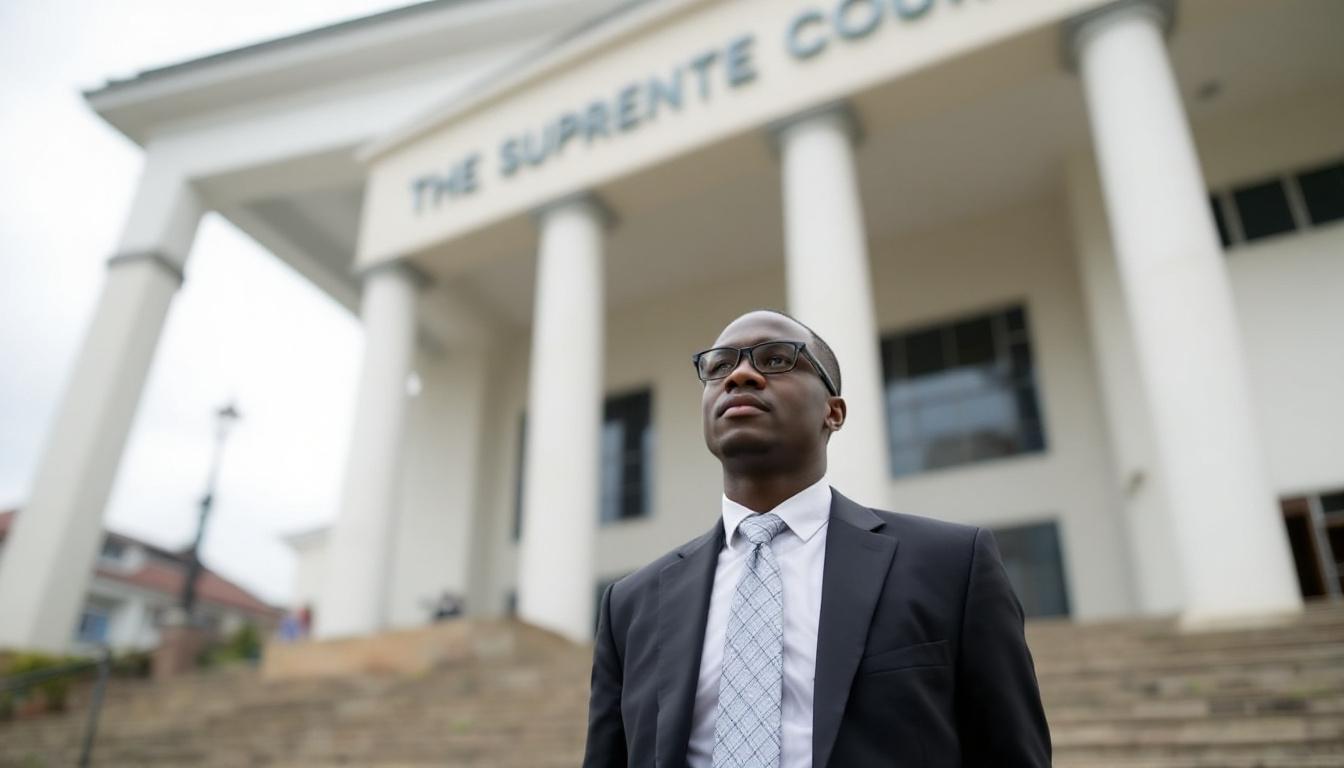
Shoppers of headlines are watching Ghana closely after parliament approved a sweeping sexual rights and family values law; the bill tightens penalties for same‑sex activity, adds limits on promotion, yet includes narrow professional exemptions , and now waits on President John Mahama's ratification, with human rights groups alarmed.
Essential Takeaways
- Jail penalties: Individuals found in same‑sex relations could face up to three years behind bars, with promoters facing three to five years.
- Professional exemptions: Lawyers, journalists and healthcare workers are explicitly allowed to represent, report on or treat LGBTQ people without criminal liability.
- Political timeline: Parliament re‑passed the bill after a previous version lapsed; it now goes to President Mahama for signature or refusal.
- Regional context: About half of the countries criminalising consensual same‑sex activity are in Africa, reinforcing a wider continental trend.
What the new law actually does , penalties and permitted work
The headline change is straightforward: criminal penalties for consensual same‑sex relations and stiffer sentences for anyone who promotes, sponsors or intentionally supports LGBTQ activities. The bill sets jail terms rather than fines, which sharpens the legal risk for affected people and civil society groups. At the same time, lawmakers built in carve‑outs for certain professional activities. Lawyers can defend clients, journalists can report, and healthcare professionals can provide care and counselling without being prosecuted. That softer edge matters practically , it keeps basic legal and medical access open, even as everyday life for LGBTQ people looks likely to become more precarious.
How this bill resurfaced , the political backstory
The measure was first passed by Ghana's previous parliament in 2024 but lapsed when a presidential term ended without signature, so MPs reintroduced and approved essentially the same text this year. That procedural detail explains why the law landed back on the table: under Ghana's constitution, unsigned draft laws expire at the end of parliamentary terms. President John Mahama now has the final formal role. He has expressed socially conservative views in public, saying he believes marriage is between a man and a woman. That political context will shape whether the bill is signed, sent back for amendment, or stalled through other means.
Reaction at home and abroad , alarm and legal questions
Human rights organisations and international bodies have condemned the legislation, arguing it violates basic freedoms and will foster stigma and fear. Critics warn the law could chill civic life: NGOs might self‑censor, activists could be targeted, and LGBTQ people may avoid seeking health or legal help despite the stated exemptions. Supporters argue the law reflects majority cultural and religious values in a predominantly Christian country. That tension between popular sentiment and rights advocacy is playing out in public debate, and it will be closely watched by regional and global partners.
What the exemptions actually mean in day‑to‑day life
The carved‑out protections for lawyers, health workers and the press are practical but limited. In theory, you can still see a doctor or speak to a lawyer without risking jail, and journalists can cover related stories. In practice, fear and social stigma may still deter people from using those services. If you work in one of the permitted professions, be mindful: the law narrows risk but doesn't erase social pressure. Organisations should update guidance, offer training, and make confidentiality practices crystal clear to reassure clients and patients.
Why this matters beyond Ghana , regional ripple effects
Ghana joins a group of nations that have recently tightened laws on sexual orientation, contributing to a broader trend across parts of Africa where about half of the countries still criminalise same‑sex relations. That pattern influences migration, foreign aid conversations, diplomatic ties and multinational business decisions. Companies and NGOs operating in the region may need to reassess compliance, staff protections and local engagement strategies. For ordinary citizens, the law will reshape social conversation and could change how communities and families navigate privacy, health and justice.
It's a small legal change with large human consequences; keep an eye on the president's move and the practical steps civil society takes next.
Source Reference Map
Story idea inspired by: [1]
Sources by paragraph: