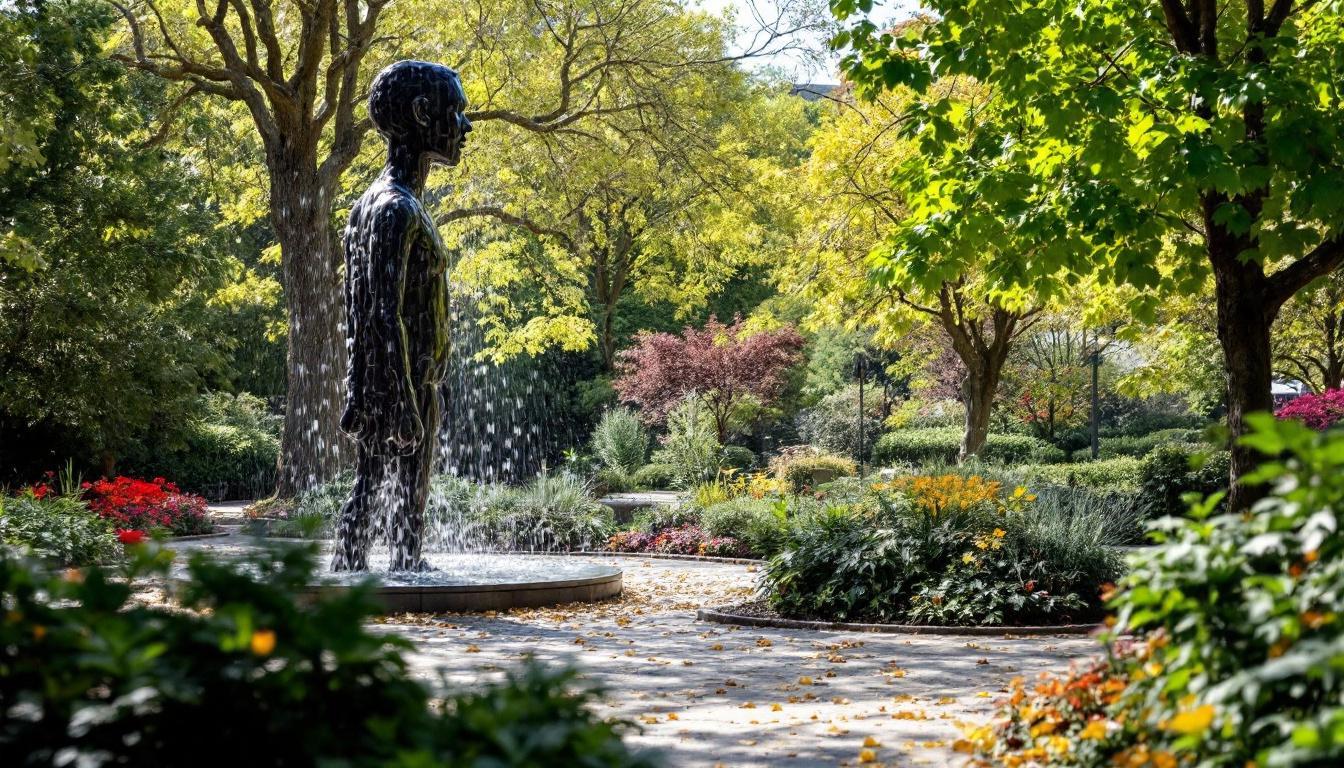
Shoppers and visitors might not realise it, but a scrappy stretch of Chicago lakefront once pulsed with queer life , and its spirit is now preserved in the AIDS Garden Chicago. This piece traces who gathered at the Belmont Rocks, why it mattered, and what the garden tells us about memory, community, and public space.
Essential Takeaways
- Historic hangout: The Belmont Rocks were an informal queer meeting place from the late 1950s through the 1990s, popular for sunbathing, parties and creative expression.
- Community canvas: Limestone slabs at the Rocks were covered in carvings, graffiti and art , an evolving, open-air gallery where people left messages and memories.
- Demolition and change: The Army Corps of Engineers removed the Rocks in 2003 as part of a shoreline revetment, ending an era of lakeside gatherings.
- Memorial rebirth: The AIDS Garden Chicago opened in 2022 on part of the former Rocks, featuring a 30-foot Keith Haring “Self-Portrait” statue and dedicated spaces to honour those affected by HIV/AIDS.
- Emotional texture: For many, the spot was more than recreation , it offered safety, solidarity and a sense of found family.
A slice of queer summer on the lakefront
Walk up to the shore in summer and you can still feel the echo: music, laughter, sun-warmed stone and a loose dress code. The Belmont Rocks became famous for that easy, communal vibe , frisbees, cookouts and late-afternoon conversations that turned into lifelong friendships. People described it as a refuge in plain sight, a place where coming out could feel less like a deadline and more like a process taken among peers. According to local histories and the group behind the memorial garden, the Rocks offered both play and protection for decades.
How a rough stretch of limestone turned into a community stage
The Rocks weren’t built as a social venue; they were an eroded, tiered shoreline that LGBTQ people began using in the late 1950s. Over time the slabs and the grassy strip beside them became a patchwork of towels, backrooms for conversation and impromptu art galleries. Carvings and paintings covered the stone, turning anonymous engineering into personal storytelling. This informal cultural layering is part of why the site became central to Chicago’s queer history and why preservationists and community leaders later argued its legacy deserved recognition.
When engineering met social history: why the Rocks were removed
By the early 2000s the shoreline needed protection. The Army Corps of Engineers carried out a revetment project and the Rocks were bulldozed in 2003, effectively ending decades of lakeside gatherings. Many in the community had already migrated to other beaches, but the demolition still felt like the loss of a living archive. It’s a reminder that public-space decisions have cultural consequences: infrastructure work can erase places of belonging unless memory is intentionally preserved.
The AIDS Garden Chicago: remembrance, art and reclaimed space
Almost two decades after the rocks were removed, the city and community groups created the AIDS Garden Chicago on part of that same stretch. The garden opened in 2022 and includes a 30-foot Keith Haring “Self-Portrait” sculpture , one of the first public monuments in Chicago dedicated to people affected by AIDS. The design blends contemplative green space with interpretive features, creating a place for mourning, education and celebration. It’s both memorial and meeting spot, answering the same human need the Rocks once served: to gather, remember and be seen.
Why the story still matters today
Places like the Belmont Rocks show how communities improvise safe space when mainstream institutions exclude them. The arc from loose lakefront gatherings to a formal memorial garden traces shifts in visibility, activism and public recognition. For modern visitors the garden offers context: it acknowledges past struggles, honours lives lost, and invites a new generation to understand how public memory is made. It’s also a practical example of how urban design and civic will can restore dignity to a once-informal cultural landscape.
It's a small restoration of history with big heart , a reminder that spaces hold stories, and that stories deserve a place to live.
Source Reference Map
Story idea inspired by: [1]
Sources by paragraph: