Shoppers and viewers are noticing how a straight celebrity in a steamy ad can change the conversation , Sam Asghari’s MISTR campaign is trending for its homoerotic aesthetic and a wider point: PrEP and DoxyPEP protect everyone, and louder mainstream promotion could save lives.
Essential Takeaways
- Eye-catching visuals: The campaign uses sauna and speedo imagery to grab attention, with a glossy, sensual feel.
- Straight ally spotlight: Sam Asghari, a known ally, fronts the ads and publicly supports LGBTQ+ causes.
- Public health message: MISTR promotes PrEP and DoxyPEP via telemedicine, emphasising preventive care access.
- Mixed reactions: Fans praised the visibility; some questioned casting a straight star for gay-focused imagery.
- Practical benefit: Normalising PrEP for broader audiences can boost uptake among people at risk.
Why this campaign feels different , and why that matters
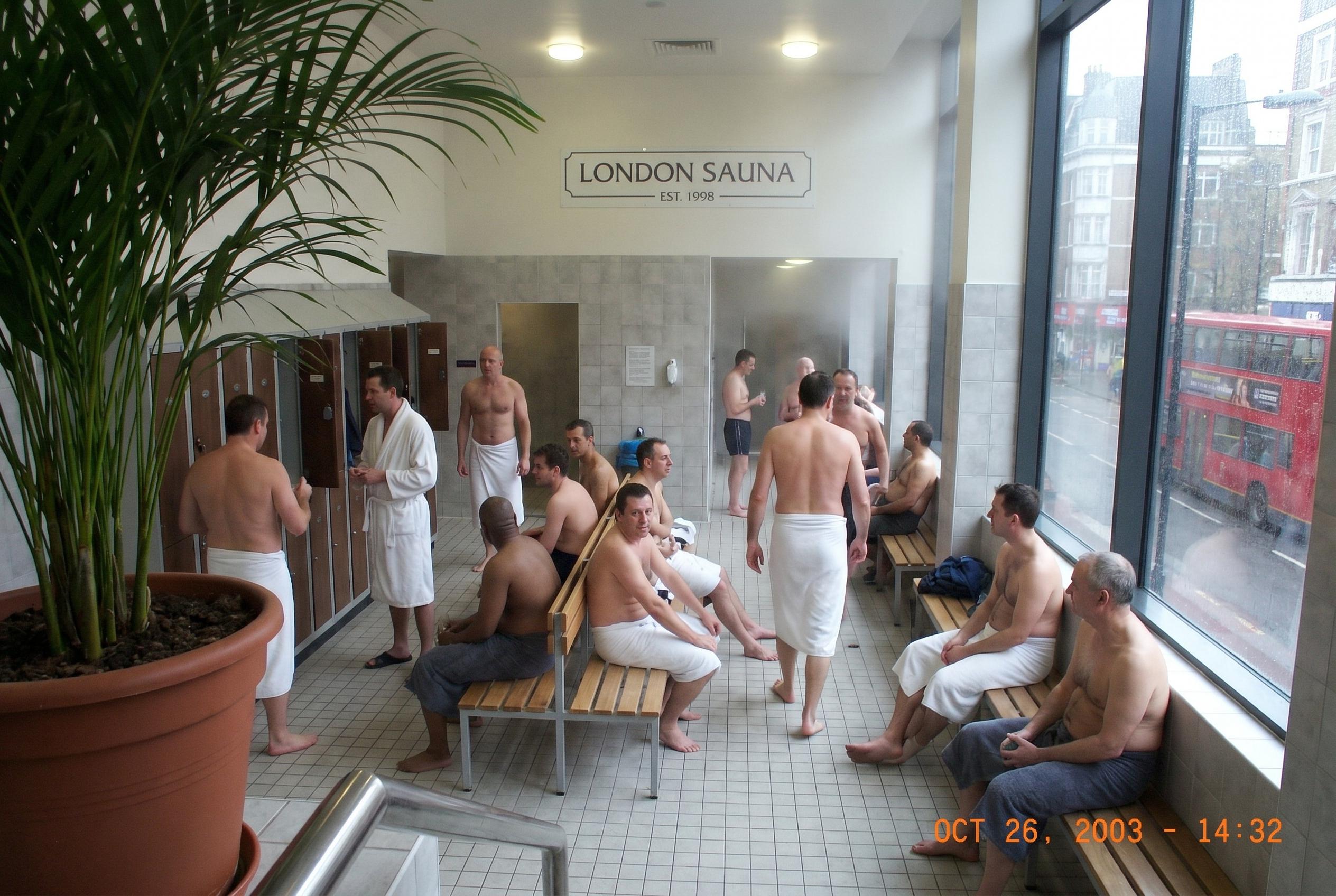
The ad lands with a slick, sweaty energy , think sauna steam, rumpled towels and a very blue speedo , designed to stop your scroll. That choice isn’t accidental: healthcare messaging competes with everything else for eyeballs, and a provocative creative approach gets people talking. According to coverage of the campaign, Sam Asghari appears amid gay influencers and models in scenes that blend humour, sex appeal and overt friendliness toward the LGBTQ+ community. The result is visibility for PrEP that reads as mainstream rather than niche.
Allies on the billboard: useful or performative?
Casting a straight celebrity in gay-coded ads sparks debate because there’s always a risk of queerbaiting. Some viewers have asked whether it’s authentic to have a straight man selling a prevention tool associated with gay men. Others point out the upside: PrEP and DoxyPEP reduce HIV risk for anyone exposed, so wider mainstream promotion can dismantle myths that these drugs are only for one group. Asghari’s prior advocacy and creative work with queer stories gives the campaign context, and that helps some people see his participation as solidarity rather than salesmanship.
What MISTR is selling , access as a public-health play
Beyond the glossy imagery, the platform behind the ads offers telemedicine access to PrEP and DoxyPEP, which matters because convenience can be a barrier to prevention. Telehealth subscriptions that include prescriptions and follow-up make it easier to start and stay on these medicines, especially for people who live where clinics are scarce or who worry about stigma. The campaign’s point is simple: prevention shouldn’t be hidden, and making it visible in mainstream media may normalise checking in with clinicians.
The reaction: social media, nuance and cultural context
Responses ranged from cheers to scepticism. Some praised the campaign for representing that “PrEP is for everyone,” noting that visibility equals validation. Others bristled at the idea of a straight face selling a product they see as tied to queer identity. That tension isn’t new , cultural conversations about representation, queerbaiting and allyship have intensified as celebrities flirt with queer aesthetics , but here the stakes include healthcare outcomes, which gives the debate extra weight.
How to think about PrEP, DoxyPEP and choosing care
If you’re considering prevention, two simple points help: PrEP (daily or on-demand depending on regimen) prevents HIV acquisition, while DoxyPEP can reduce certain bacterial STIs after exposure. Talk to a clinician about which fits your situation, be honest about sex practices so they can advise testing intervals, and factor in practicalities like cost, side effects and monitoring. Telemedicine providers can be a good first step, but make sure they offer follow-up testing and clear guidance.
It's a small change that can make every prevention conversation feel less clinical and more like something everyone is entitled to.
Source Reference Map
Story idea inspired by: [1]
Sources by paragraph: