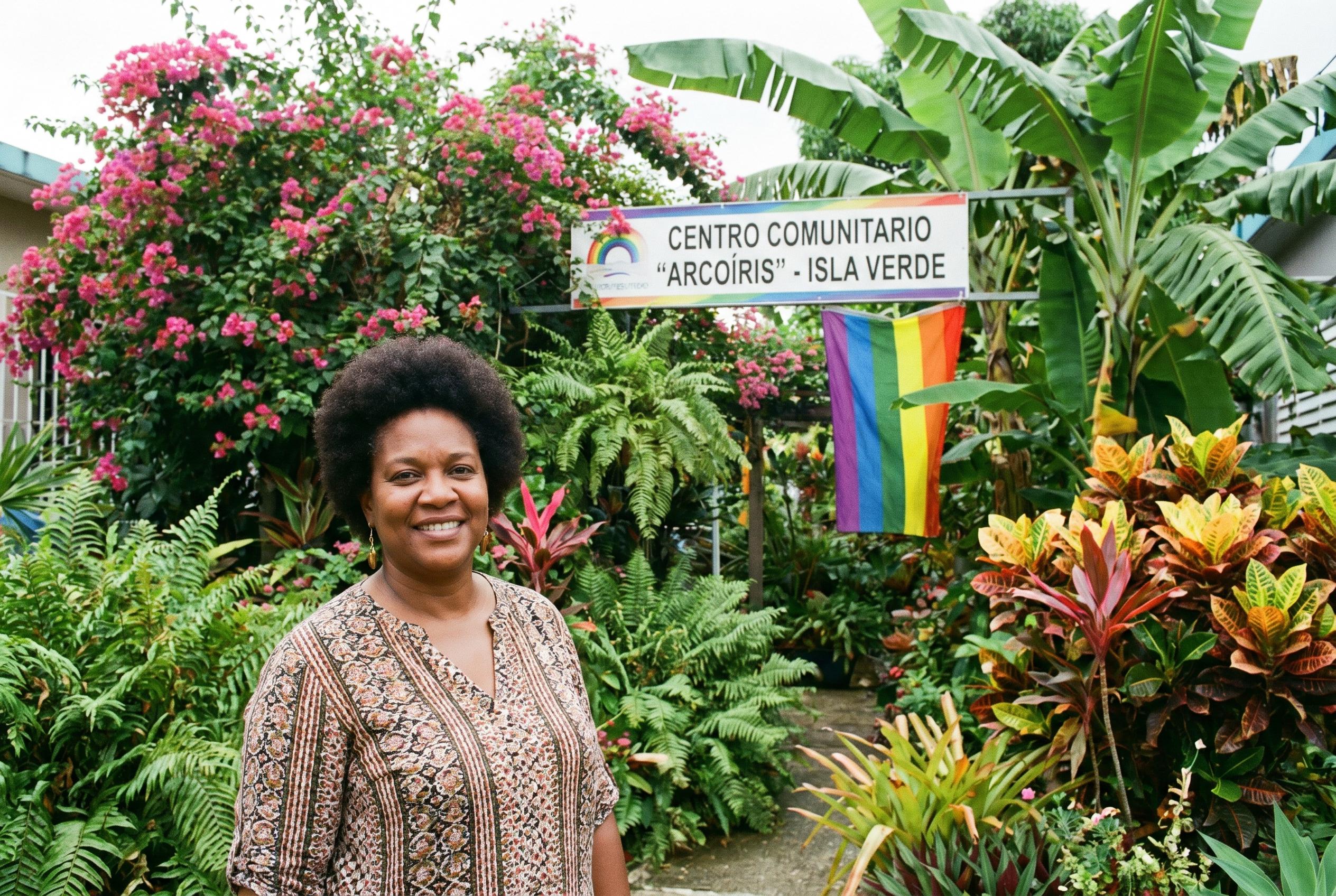
Shoppers and advocates are noticing a welcome shift as CAISO launches Growing Spaces, a timely initiative in Trinidad and Tobago that pairs immediate help, food, wellness and shelter, with long-term community-building to tackle inequality and climate-linked precarity. It matters because inclusion strengthens resilience, now and into the future.
Essential Takeaways
- Immediate support: Growing Spaces offers wellness, food security and healing programmes designed for vulnerable LGBTQI+ people facing housing and employment insecurity.
- Root causes addressed: The initiative responds to marginalisation, lack of legal protections and climate-related risks that worsen community precarity.
- Backed by partners: The European Union praised the project as timely, linking short-term aid to structural change and continued civil society cooperation.
- Visibility and timing: Announced at CAISO’s annual media conference ahead of International Day Against Homophobia, Biphobia and Transphobia, the launch connects advocacy with concrete services.
- Holistic aim: Growing Spaces seeks empowerment, not just relief, think training, safe spaces and sustainable resources alongside immediate care.
Why this launch feels different , a practical, human-first intervention
This isn’t just another charity announcement; it begins with people who need help today and plans for them tomorrow, and you can almost feel the relief in that shift towards practicality. CAISO’s director, Dr Angelique Nixon, framed the programme as a direct response to housing insecurity, unemployment and barriers to services that many LGBTQI+ people face. The sensory image is simple: a quiet place where a hot meal, counselling or a bed for the night can make a fragile day steadier. According to CAISO’s broader mission and leadership, the organisation has a track record in community-focused work, so this effort follows an existing backbone of experience.
How food security and wellness meet social justice in one plan
Growing Spaces bundles food programmes with wellness and healing, because material hardship and mental health are linked. When you’re worried about a roof or a paycheck, the rest of life narrows, so interventions that combine practical help with counselling and community-building are more likely to stick. Observers note that this model echoes wider trends in the sector where NGOs pair immediate relief with capacity-building, which helps prevent recurring crises. For people choosing support services, look for projects that offer both emergency aid and training or pathways to employment.
Why the EU’s support matters , funding, signalling and follow-through
The European Union’s ambassador, Cécile Tassin, described the launch as addressing both urgent needs and longer-term change, and that endorsement does three things. It brings funding and diplomatic weight, it signals to other funders and governments that this work is credible, and it commits partners to ongoing cooperation with human-rights defenders. In practice, that means Growing Spaces may be better placed to scale services, influence policy, or survive funding cycles, important if the aim is sustainable protection rather than short-term relief.
Timing and visibility , launching around a global day of action
CAISO chose to unveil Growing Spaces ahead of the International Day Against Homophobia, Biphobia and Transphobia, which is a smart piece of timing for awareness and solidarity. Launching at the organisation’s annual media conference also ties the new initiative into its ongoing public work, amplifying the message to local media and allies. If you’re an activist or supporter, this is the moment to take notice: visibility on symbolic days can translate into volunteer interest, donations, and pressure on policymakers.
Practical tips if you want to help or access services
If you’re looking to support similar work, consider donating to groups that combine emergency relief with skills training and advocacy. Volunteers should ask how long-term pathways, employment, housing support, legal aid, are integrated into programmes. And if you or someone you know needs help, contact local LGBTQI+ organisations and check for services that explicitly mention food security, wellness or housing assistance; those programmes tend to offer immediate relief and a plan for next steps. Small, steady support often makes the difference between surviving a crisis and rebuilding a life.
It's a small change that could make every day a bit safer and more secure for people who have long been overlooked.
Source Reference Map
Story idea inspired by: [1]
Sources by paragraph: