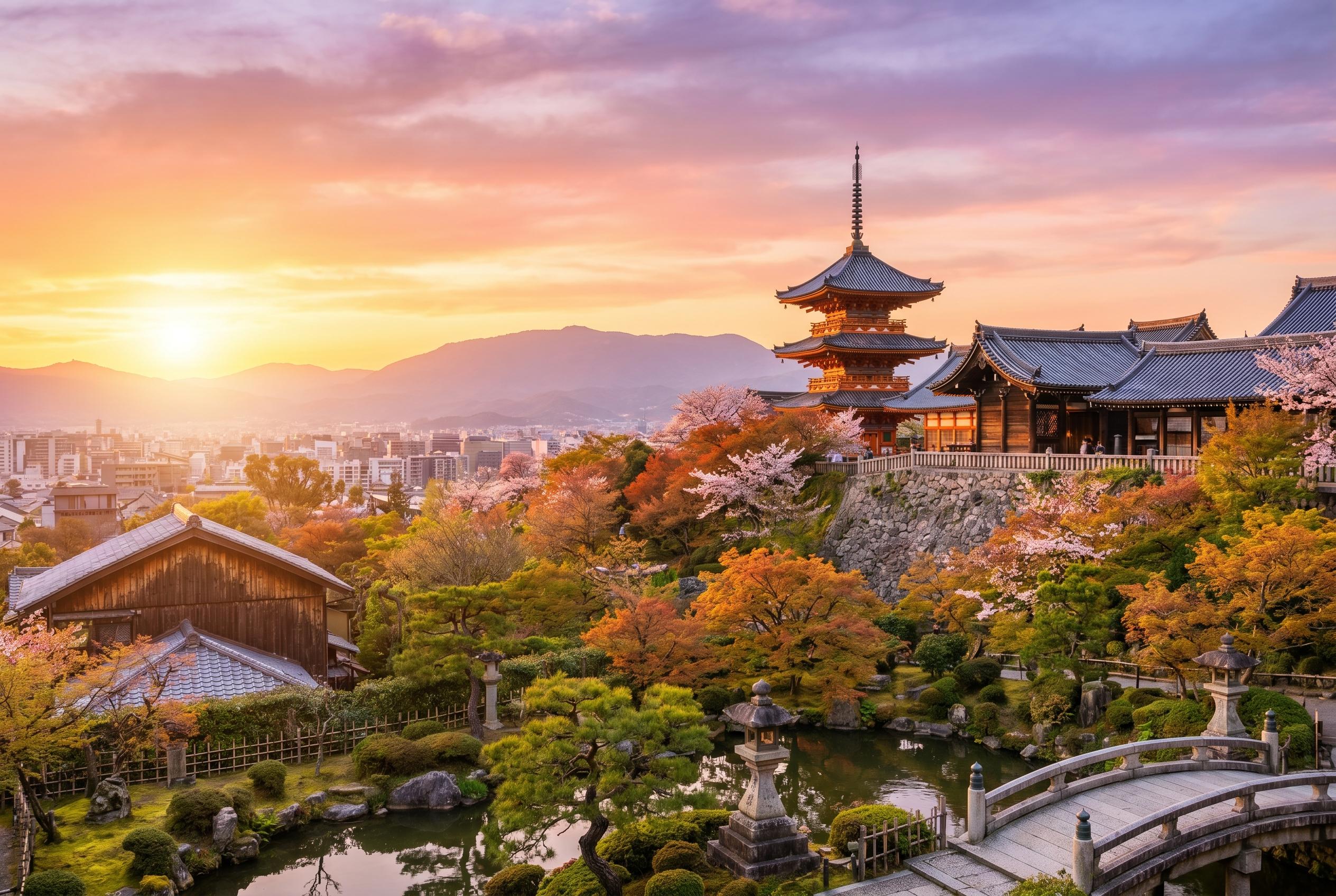
Shoppers are tuning back into Gaycation for its mix of travel and hard-hitting documentary work, as Elliot Page and Ian Daniel travel from Tokyo to Orlando to show what life really feels like for LGBTQ+ people worldwide , and why this matters beyond the postcards.
Essential Takeaways
- Personal host chemistry: Elliot Page and Ian Daniel bring warmth and curiosity, making difficult conversations feel humane.
- Four feature episodes plus special: Season 1 runs four 45-minute journeys with a concluding Pulse nightclub special that centres survivors and victims.
- Contrast of joy and danger: Carnival, clubs and fashion sit alongside stark interviews about violence and homophobia, especially in Brazil and Jamaica.
- Intimate moments land: Scenes like a Japanese man coming out to his mother on camera offer raw, emotional insight.
- Balanced perspective: The show highlights culture and resilience as much as oppression, avoiding a one-note “save the day” framing.
Why Gaycation feels both like a travelogue and a wake-up call
Right from the opening shots, Gaycation mixes neon-lit city life with serious conversations, and that contrast is what makes it compelling. According to press listings and episode guides, the season is structured around four main episodes and a longer special, which lets the series breathe where it needs to. The cameras linger on nightlife and fashion, but they also stick with people when they reveal their scars, which gives the show an emotional texture you don’t get from a standard tourism piece.
The result is a programme that’s as much about places as it is about people. By treating each visit as a cultural case study rather than a checklist of attractions, the hosts sketch fuller portraits of queer life in each country. If you’re wondering whether it’s worth watching, that human focus is the payoff.
Tokyo: bright, strange, and quietly pressurised
In Japan, Gaycation leans into sensory detail , tiny bars, quirky rental-friend services and temple ceremonies , while also examining the social pressure to conform. The episode shows the charming oddities of Tokyo but pivots when a young man asks to use the camera to come out to his mother, a moment that’s quietly devastating and revealing.
That scene shows why cultural context matters: in some places, acceptance is not about laws but about family, work and face. The show teases out how creative subcultures, like fujoshi manga fans, both celebrate and distance queer experience, and it asks whether that kind of fandom helps or flattens real-life struggles.
Brazil: Carnival glamour and grim reality
Carnival looks like a love letter to freedom, but Gaycation doesn’t let the music drown out the facts. In Brazil, the hosts juxtapose raucous street scenes with conversations in safe houses and interviews that make the stakes clear , violence against queer people is shockingly high. That balance is a recurring strength: the show lets joy and danger coexist on-screen so the viewer understands why celebration can also be an act of survival.
If you’re picking episodes to watch first, Brazil is essential viewing because it forces a reckoning. It’s a reminder that spectacle can sometimes be a cover for systemic harm, and it shows the practical work activists and shelters do every day.
Jamaica: faith, music and the human cost of homophobia
Jamaica’s episode is one of the hardest to watch, and not because it’s melodramatic , it’s because the interviews are blunt and unfiltered. The hosts talk to religious leaders who condemn queer people, and they meet young people living rough in storm drains for safety. The show doesn’t sensationalise those lives; it shows the practical choices people make to survive and how culture and theology shape attitudes.
The Jamaica instalment also looks at the role of music and public figures in stoking violence, which raises uncomfortable questions about responsibility and reform. For viewers, it’s an urgent portrait: systems and voices matter, and they can harm as much as they comfort.
The US and the Pulse special: home truths and collective grief
Coming home to the US in the final episodes reframes the series , inequality and danger are not just foreign problems. The season traces moments from Midwestern fairs to southern towns and then centres the Pulse nightclub special, which focuses on survivors and the families of the 49 victims. That episode is quieter, more intimate, and built to stay with you: it shows grieving, resilience and the complicated politics of aftermath.
The framing is important. By ending on the US, Gaycation resists easy moralising and instead asks viewers to recognise that progress on paper doesn’t erase targeted violence. It’s a call to keep listening and acting locally as well as globally.
How to watch and what to look for
If you’re planning a viewing session, start with an episode that matches your mood: pick Japan for personal, small-scale moments; Brazil for political urgency; Jamaica for a stark look at faith and social harm; and the Pulse special if you want a serious, reflective close. Pay attention to how the hosts let people tell their stories rather than narrating over them , that editorial choice makes room for nuance.
Also, watch for the production style: close, handheld interviews, and scenes that favour quiet over spectacle. That gives the series a documentary feel even when it’s framed as travel. For anyone seeking shows that blend culture, politics and human story, Gaycation Season 1 is worth the watch.
It's a small change of perspective that makes every location feel closer and more urgent.
Source Reference Map
Story idea inspired by: [1]
Sources by paragraph: