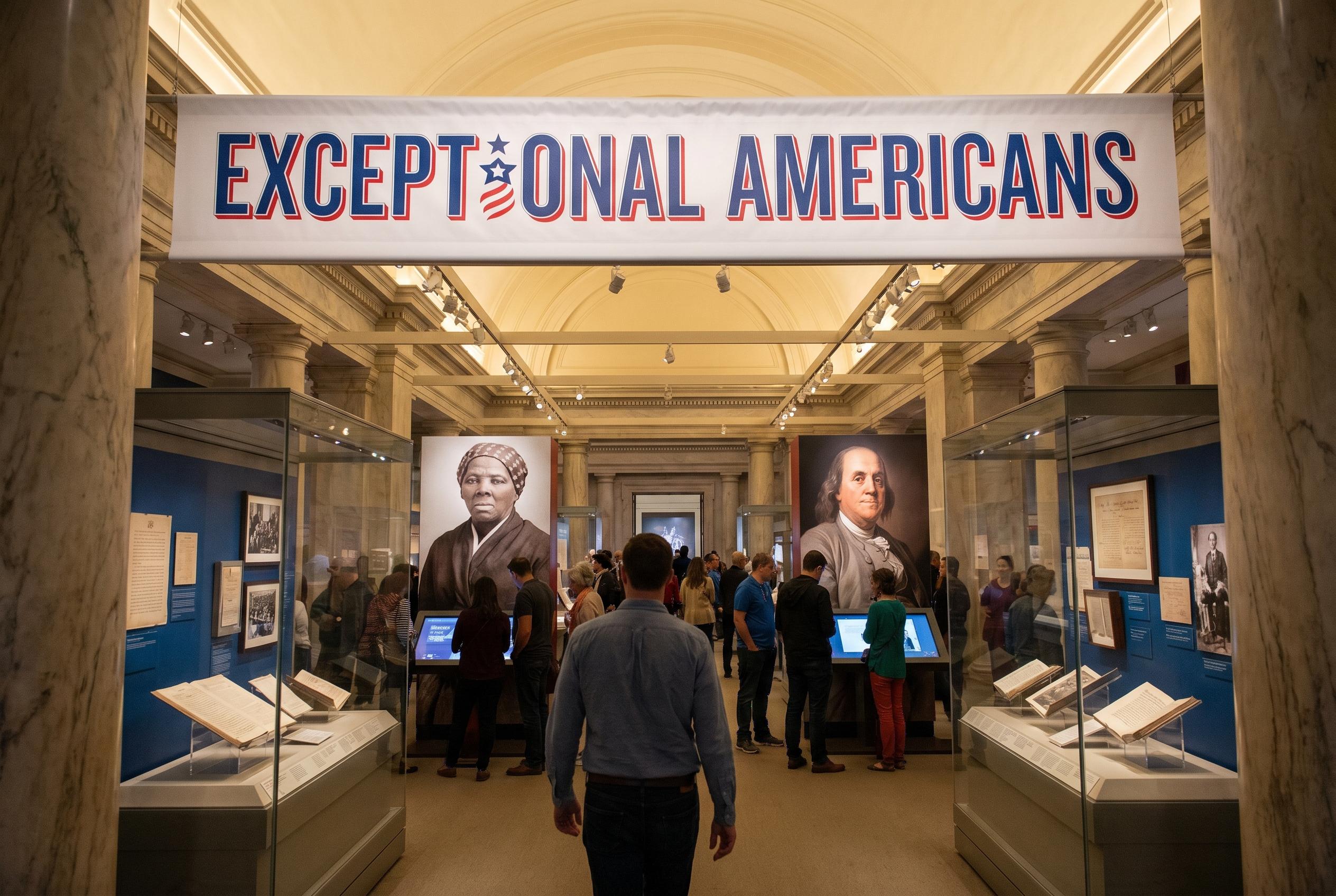
Explore a surprising win for queer history: visitors are clicking through the National Archives’ AI-powered “The American Story” and finding key LGBTQ+ figures preserved, why it matters, and how to make the most of the new digital displays when you visit.
Essential Takeaways
- Archival access improved: The National Archives’ new AI-enabled museum lets visitors download documents and create portable mini-archives, making research faster and more personal.
- Franklin Kameny included: The digital kiosks feature Kameny under “Exceptional Americans,” with documents like his 1961 pro se petition visible, smells faintly of vindication.
- Political drama at NARA: The former Archivist, Dr Colleen Shogan, was abruptly dismissed last year, raising concerns about future curatorial choices.
- Personalised experience: Visitors can use a barcode system to tailor displays (interests like “Court Cases, Rights, and Politics”) for a more relevant tour.
- Practical tip: Bring a charged phone and your interests mapped out, AI highlights and downloads save hours of traditional archive work.
Why the Archives’ AI Museum is a small revolution for queer researchers
The headline here is simple: it’s quicker and more tactile than you expect, with a slight hum of tech in the background. The new “The American Story” galleries use AI-driven search and personalised barcodes so you can gather images and documents to your phone in minutes. For anyone accustomed to waiting for folders, that ease feels almost luxurious.
This shift didn’t happen overnight. The Archives has been modernising access for years, and the recent exhibition builds on that momentum by combining two million records with interactive kiosks. For LGBTQ+ historians and activists it’s a game changer: what used to be months of requests can now be triaged during a single visit.
If you’re planning a trip, think like a researcher: list the names and topics you want, charge your phone, and pick a barcode icon that matches your interests. You’ll walk away with a curated packet of primary sources rather than a vague memory of a room full of documents.
Kameny’s presence: straightwashed, but still present
There’s a bittersweet quality to Franklin Kameny’s appearance in the kiosks. On the one hand, he’s there, listed among “Exceptional Americans” with links to “Lavender Scare,” “Kameny Appeals,” and his Supreme Court petition. On the other, his descriptor is softened to “Anti-Discrimination Advocate,” rather than the combative “homosexual militant” he proudly used.
That kind of euphemising is familiar in public institutions trying to balance politics, optics, and historical accuracy. Yet the substance matters: being able to download Kameny’s petition and other primary documents means researchers can still encounter his words, context, and legal arguments unfiltered by later edits.
If you care about precision, download the originals and note the metadata. Preservation of the record, warts and all, lets later readers interpret the nuance that a short label might obscure.
The firing of the Archivist: why it unsettled visitors
The abrupt dismissal of Dr Colleen Shogan last year felt like a political jolt to many who value the National Archives’ independence. Journalists and historians flagged the move as alarming because the Archivist has a statutory duty to defend records such as those covered by the Presidential Records Act.
That uncertainty fuels fears about what might be pruned, relabelled, or deprioritised in future exhibits. Yet the current museum rollout shows a surprising resilience: LGBTQ+ records remain findable, and the institution’s digital tools appear to be working as promised.
For visitors, that tension matters practically: you may want to document what you find now, because institutional priorities can shift. Treat your visit like a snapshot of the archival landscape today.
How AI helps, and when to be wary
AI’s role in the galleries is twofold: it personalises discovery and speeds access. The barcode-and-icon system feels almost playful, an “archival Grindr,” as some visitors joked, yet it delivers serious research benefits by matching interests to themes and surfacing relevant documents.
But there are caveats. Keyword filters and algorithmic tagging can downplay certain language or context, leading to softening of labels or accidental omissions. That’s why finding Kameny was reassuring but also instructive: always cross-check AI results against full records and published finding aids.
A practical rule of thumb: use the AI to gather leads, then follow up with downloaded originals or catalogue references to ensure nothing vital has been filtered out.
Visiting tips and what to bring
Go prepared and you’ll get the most from the museum. Pick your interest icons before you arrive so the kiosks serve up relevant items. Bring a fully charged phone, headphones for any audio content, and a portable battery if you plan deep dives into downloads.
If you’re researching someone specific, print or screenshot catalogue identifiers, and note the kiosk paths that led you to a document, those breadcrumbs save time later. And if you encounter softened descriptors, save the original files; future historians will thank you for preserving the nuance.
The Archives are telling our story, however messy, and there’s power in capturing it thoroughly today.
It's a small change that can make every visit more productive, and every chew at the historical bone richer.
Source Reference Map
Story idea inspired by: [1]
Sources by paragraph: