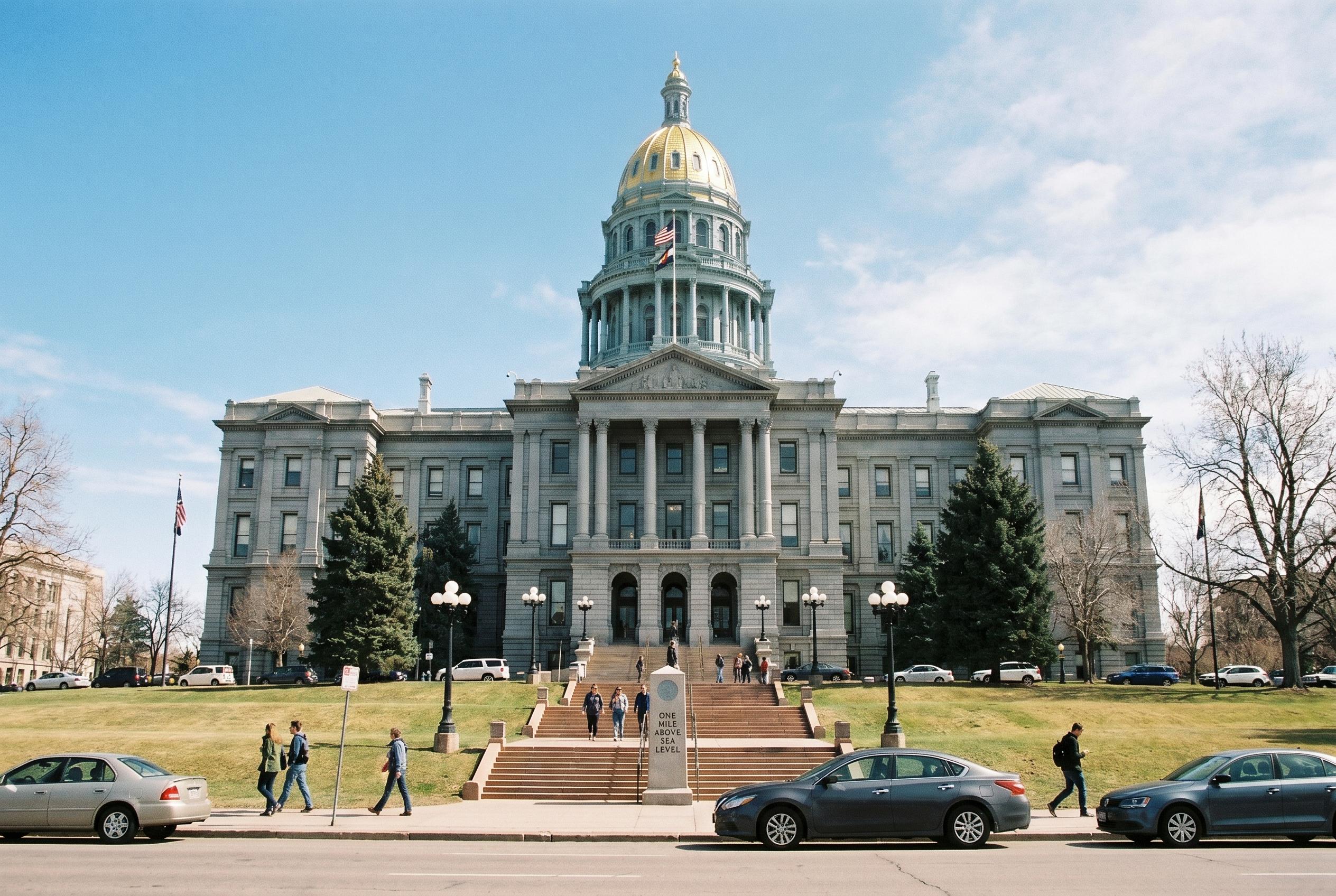
Shoppers of policy and advocates alike are watching Colorado try a new tack , shifting from outright bans to civil liability for licensed providers , after a Supreme Court ruling narrowed states’ power to regulate conversion therapy speech. It’s a legal pivot aimed at protecting LGBTQ+ youth while surviving First Amendment limits.
Essential Takeaways
- New legal route: Colorado’s House Bill 26-1322 targets licensed mental-health professionals by labelling conversion therapy as professional misconduct.
- No time limit: The bill removes the statute of limitations for survivors, letting them sue years after harm becomes clear.
- Response to the courts: The move follows the Supreme Court’s Chiles v. Salazar decision that treated conversion “talk therapy” as protected speech.
- Survivor-centred: Lawmakers cite data showing conversion practices persist and trauma often surfaces decades later, making civil claims crucial.
- Scope and limits: The bill focuses on licensed clinicians and their employers or supervisors, and does not extend to clergy or purely religious counselling.
Why Colorado switched tactics , and why it matters now
Colorado’s approach is a direct response to the Supreme Court’s Chiles v. Salazar ruling, which treated certain therapeutic speech as First Amendment-protected. That decision left states with fewer tools to outlaw specific counselling talk in clinic settings, so lawmakers pivoted. The result is a civil-liability strategy that aims to make conversion therapy commercially and professionally risky for licensed providers. Practically, it means survivors can pursue damages even after long delays, which matters because trauma and disclosure often arrive years later.
How the bill works: professional standards, not speech policing
House Bill 26-1322 reframes conversion therapy as professional misconduct for licensed mental-health workers and implicates supervisors and employers who enable it. That’s an important nuance: instead of criminal bans or speech controls , moves the Supreme Court scrutinised , the state says clinicians who practise or permit conversion techniques are violating professional duties. For families and therapists alike, this is less about censoring words and more about holding professionals to a care standard that protects vulnerable clients.
The survivor perspective: why removing time limits is a big deal
Many survivors don’t process or report the harm until decades later, so lifting the statute of limitations is more than legal theatre , it’s practical justice. Advocates point to surveys showing conversion attempts remain common, and testimony from people who carried lifelong shame and mental-health scars. Allowing late civil suits gives those survivors a route to accountability and compensation, and it signals to practitioners that past actions may have future consequences.
Legal and political context: navigating First Amendment concerns
Legal analysts have noted that Chiles v. Salazar didn’t deny conversion therapy’s harms, but it did put a constitutional fence around regulating therapeutic speech. That forced states to get creative. Colorado’s shift echoes a broader trend: regulators are looking for regulation points that survive free-speech scrutiny, such as professional licensing rules, fraud or consumer-protection claims, and employment liability. Expect similar legislative experiments in other states weighing how to protect youth without running afoul of the high court.
What this means for clinicians, clients and advocates
Licensed clinicians should take the bill as a clear signal to review practice policies, supervision, and training. Employers and supervisors could face exposure if they tolerate or direct conversion practices. For clients and families, the change expands avenues for redress and may make clinicians think twice before offering discredited interventions. For advocates, the law is a pragmatic compromise: it doesn’t ban speech outright, but it raises the stakes for delivering harmful, non-evidence-based care.
It's a small legal pivot with real consequences , and one worth watching as other states consider how to protect young people within constitutional limits.
Source Reference Map
Story idea inspired by: [1]
Sources by paragraph: