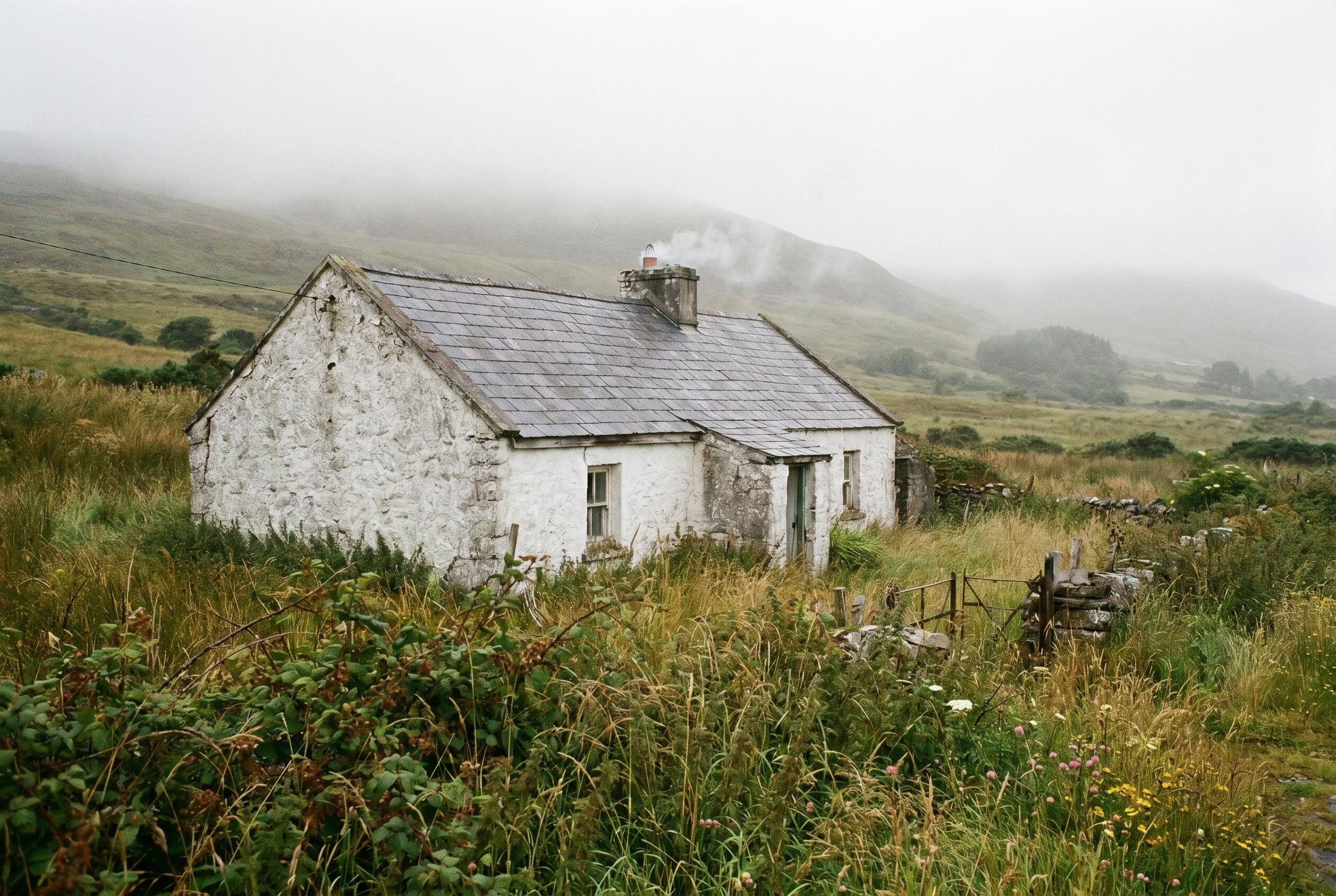
Shoppers and readers are turning to a quietly fierce new collection , Denis Mockler’s Is it Safe to Come Out Yet? , which revisits rural, Catholic Ireland in the 1980s and the fraught, intimate work of becoming yourself. It matters because these poems stitch memory, shame and friendship into a modern testimony that feels both private and widely resonant.
Essential Takeaways
- Author and subject: Denis Mockler writes about growing up gay in rural, Catholic Ireland, tracing fear, secrecy and the slow step toward speaking out.
- Emotional register: Poems move between anxious, tender and wry, with scenes that feel tactile , the hush of confession, the hum of a gay bar, the ache of hiding love.
- Themes beyond romance: The book explores friendship, mental health, religion and recovery, not just sexual relationships.
- Tone and availability: Self-published and intimate in scale, the collection offers a personal voice that’s direct and quietly courageous.
- Practical note: This is a good pick if you want contemporary Irish writing that mixes memoir, social history and lyric reflection.
A vivid, personal portrait that smells of late-night cigarettes and hymn sheets
The opening poems drop you into a time and place that’s sensory rather than abstract; there’s the low light of a rural house, the hush around family prayers, the small, sharp panic of a teenager who feels different. According to GCN, Mockler remembers trying to “pray it away”, a line that locates his emotional life inside both faith and isolation. Readers will feel that mix of shame and longing as a tactile presence.
That tense atmosphere is the book’s engine. Mockler’s memory work reads like testimony; each scene is a stitch in a larger garment that keeps him warm and exposed at once. If you want a sense of how private battles become public art, these poems make that quiet alchemy feel believable.
Why this collection matters now , and how it links to Ireland’s wider story
Mockler’s poems aren’t just personal confession; they echo the Ireland of the 1980s, a place many writers have revisited to reckon with emigration, conservatism and social change. The Irish Times and other cultural voices have charted that decade as a hard, inward-looking time, and Mockler’s work slots neatly into that conversation by focusing on what it felt like to be queer inside a very Catholic setting.
That context matters because it shows how identity and national history intertwine. If you’re reading the book as part of a wider dive into modern Irish culture, it makes for a humane companion piece to reportage and memoir from that era.
Friendship and platonic love , the book’s quieter, comforting heart
Mockler makes clear that not everything in the poems is about sex or secrecy; many pieces celebrate the friends who kept him afloat. These are the steady, ordinary relationships that make coming-out stories less like dramatic climaxes and more like long recoveries. That shift from spectacle to daily support is one of the book’s strengths.
It’s a reminder that when people talk about queer history, they shouldn’t only point at headlines and laws. The soft scaffolding of friendship matters , and Mockler honours that with poems that feel like letters to people who saved him in small, luminous ways.
Religion and reconciliation , not a tidy ending but a humane reckoning
Religion threads through the collection as both comfort and conflict. Mockler’s account of feeling guilty, trying to use prayer as a cure, and then experiencing a mental-health breakdown is as raw as it is familiar to many who grew up in strict faith communities. He writes about “finding my place” in faith rather than being expelled from it, a nuance that keeps the poems from becoming polemic.
If you’re cautious about religious themes in queer writing, you’ll find this collection generous in its questioning. It doesn’t offer easy forgiveness, but it does allow for complicated, lived reconciliation , which, in real life, is often the more honest outcome.
How to read this book and who might love it
This is an intimate, short-scale collection best read slowly, with room for pauses between poems. It’s ideal for readers interested in contemporary Irish voices, LGBTQ+ memoir in verse, or anyone curious about how small-town life shapes identity. Because it’s self-published, expect a homespun feel rather than a glossy, mainstream package , and let that immediacy be part of the charm.
If you’re choosing between a political history or a human story, pick this for the latter; it’s a personal ledger that adds texture to the larger history of queer Ireland.
It's a small book that opens a big conversation and makes the private feel shared.
Source Reference Map
Story idea inspired by: [1]
Sources by paragraph: