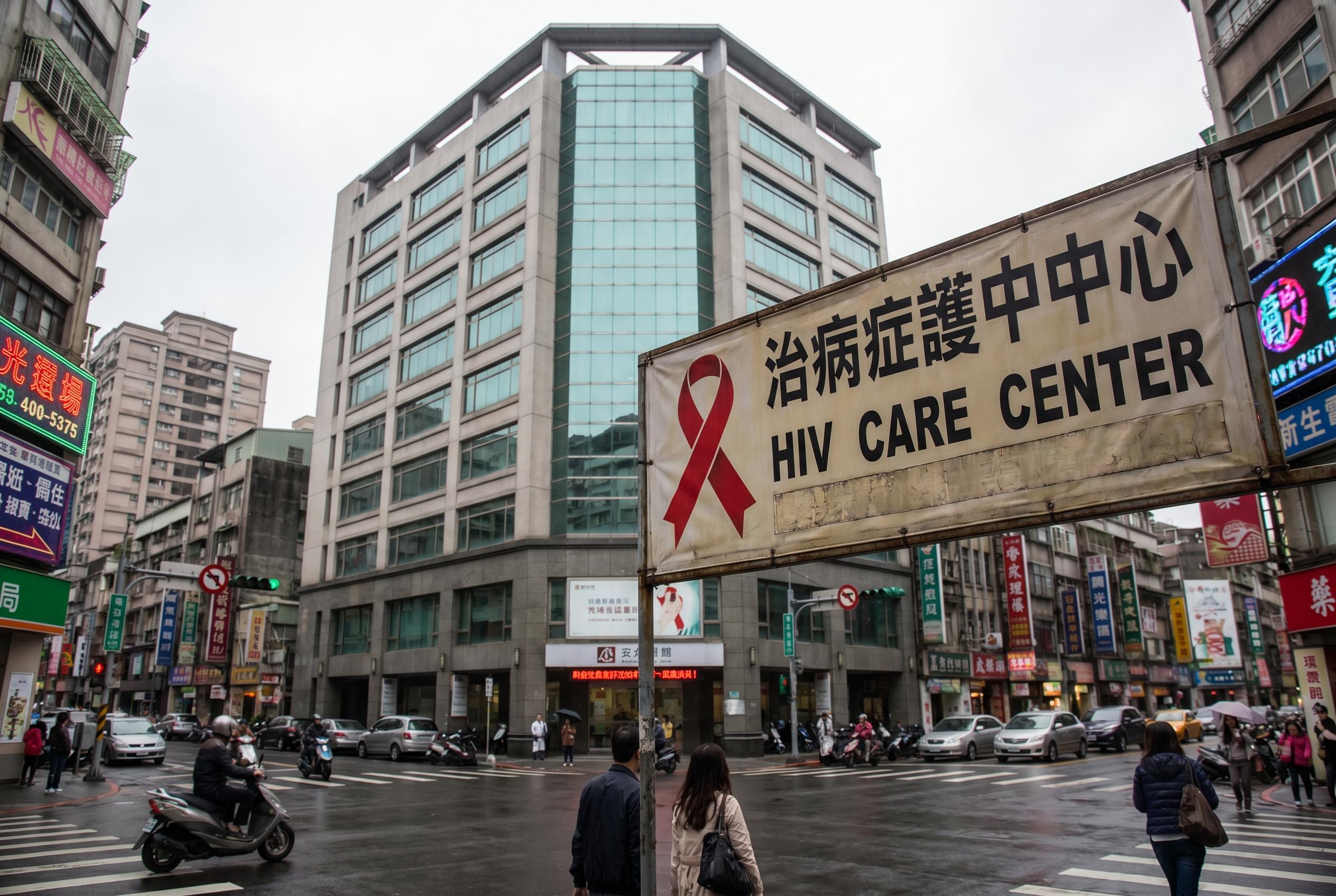
Shoppers of policy will spot a promise and a worry: a new US–Philippines health framework pledges to shift Manila toward 'self‑reliance' in health systems, but advocates fear that could leave grassroots LGBTQ HIV services short of the funding and trust they need.
- Big-picture promise: The joint declaration commits to co‑funding, workforce development and stronger health data and emergency preparedness for the Philippines.
- Epidemic on the rise: New HIV infections in the Philippines climbed dramatically over the past decade, with key populations, men who have sex with men and transgender women, accounting for most new cases.
- Local reach matters: Community groups say international technical support has underpinned trusted HIV prevention and treatment work; a shift to self‑reliance risks redirecting funds away from grassroots providers.
- Practical risk: Centralising programs can improve systems but may feel impersonal, community clinics and peer outreach, which have a softer touch, could lose out.
- What to watch: Implementation details, who gets funding, how data systems are used, and protections for marginalised groups, will determine whether the pact helps or harms.
What the deal actually promises , and why 'self‑reliance' matters
The State Department frames the agreement as a step toward a stronger, more autonomous Philippine health system, with co‑funding streams, training for health workers, upgraded health data and better emergency readiness. That sounds sensible: more local capacity should mean faster responses and less dependency on overseas aid. But "self‑reliance" in practice often means donors step back, expecting local institutions to pick up the tab and technical work, and that can create gaps if domestic budgets and priorities don’t align. According to UNAIDS and regional reporting, the Philippines is facing one of the fastest‑growing HIV epidemics in Asia‑Pacific, so timing and detail really matter.
The numbers behind the concern
Data from recent surveillance reports and health organisations show steep increases in new infections across the last decade, particularly among men who have sex with men and transgender women. Other health reporting notes that HIV in the Philippines is an evolving epidemic, with new case counts surging and services struggling to keep pace. When infections rise quickly, the brittle bits of a system, the outreach programmes, the peer educators, the small clinics, are often the first to crack. So while national systems can shore up hospitals and labs, the everyday prevention work that reaches high‑risk communities needs steady, targeted support.
Why grassroots groups worry they’ll be left behind
Community organisations are blunt: international funding hasn’t been perfect, but it has underwritten the relationships and trust that peer‑led testing, counselling and prevention rely on. Leaders like those at HIV & AIDS Support House say the declaration could be promising on paper but hinges on who receives the money and whether smaller groups retain a voice. Centralised funding often flows to ministries and large NGOs, which can be more visible but less nimble. If funds and technical assistance are routed through bureaucratic channels without ring‑fenced support for community providers, uptake among marginalised people may drop.
Could better data and workforce training help , or harm?
One strength of the pact is emphasis on health data systems and workforce development. Stronger surveillance, digital records and better trained staff can speed diagnosis and make treatment continuity easier. But there’s a trade‑off: more centralised data collection raises privacy concerns for stigmatised populations, and a focus on hospital‑based care can deprioritise community outreach. The lesson from public‑health research is familiar: integrated systems work best when community actors are part of the design and when data is used to support, not punish, vulnerable groups.
Practical tips for monitoring the rollout
If you care about protecting LGBTQ HIV services, here are simple things to track. First, watch budget lines: are funds explicitly allocated to community‑based organisations and peer outreach? Second, look for safeguards around confidential data and anti‑stigma training for health staff. Third, check whether capacity building includes small clinics and peer workers, not just central hospitals. Civil society participation in oversight panels can be a red flag turned green; insistence on transparency and participatory planning makes a big difference.
It's a small change in wording that can have big consequences , follow the details, and push for protections that keep trusted community services funded.
Source Reference Map
Story idea inspired by: [1]
Sources by paragraph: