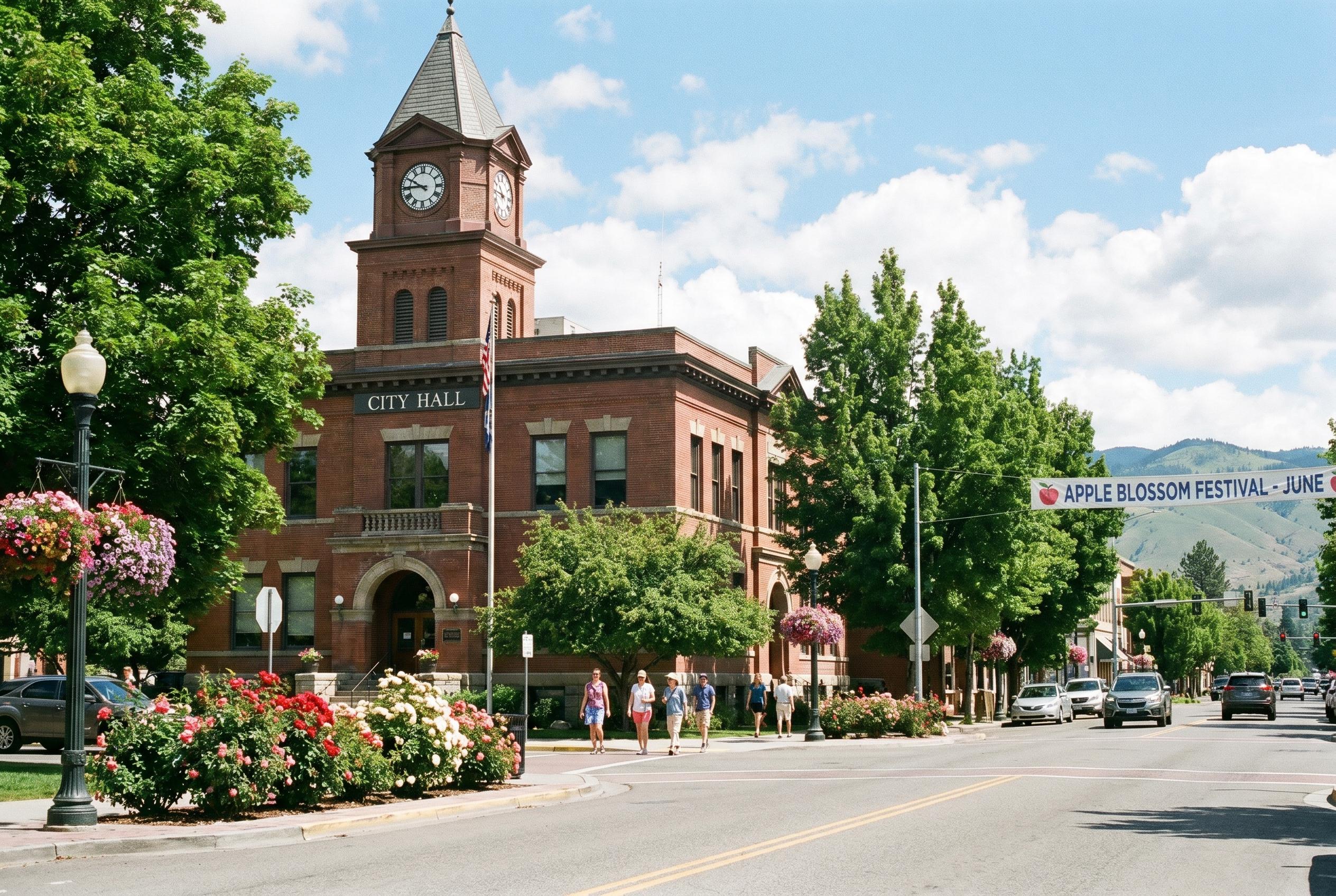
Shoppers and residents have noticed a sudden change in Wenatchee: the city will not display Pride banners on public poles this June after approving a rival “family month” design under a new first-come, first-served policy, and that decision has left local LGBTQ+ groups, businesses and residents debating what comes next.
Essential Takeaways
- Policy change: Wenatchee adopted a first-come, first-served banner rule and now requires artwork with dimensions for submissions, affecting June displays.
- Who won the slot: A Turning Point USA chapter’s “Freedom: America’s Family Month” banner was accepted for about 50 city light poles from June 1–30.
- Pride group excluded: NCW Equity Alliance’s Pride proposal was deemed incomplete for missing artwork dimensions; they have appealed.
- Community reaction: Social media is split and local allies have organised a billboard and business banner campaign; a “YOU ARE LOVED” billboard went up downtown.
- Practical note: East Wenatchee’s policy now limits banners to city-sponsored events , a different approach to public displays.
What actually happened in Wenatchee , the quick version
City officials say the change came after they tightened rules for pole banners, asking applicants to submit complete artwork and dimensions. According to reporting, the NCW Equity Alliance’s Pride submission lacked the required dimensions when first filed, while a proposal from the local Turning Point USA chapter included all materials and met the deadline. That sequence meant Pride banners won’t hang on city poles this June, and instead a pro-family design will appear across about 50 light poles.
Why people are so divided , emotions and politics meet municipal rules
This isn’t just about paper on poles; it’s also about signal and symbolism. Some residents welcome the Turning Point banner as a family-oriented message, while Pride supporters see the decision as a quiet exclusion from civic space. Social posts have been heated and local activism moved quickly to respond , organisers put up a billboard proclaiming “YOU ARE LOVED” and urged businesses to display Pride flags instead, turning the debate into an on-street campaign rather than a quiet policy spat.
The backstory: new policies that changed the outcome
City councils across the region have been revisiting banner rules. Wenatchee added stricter artwork requirements and a first-come, first-served cutoff this autumn; East Wenatchee went further, limiting banners to city-sponsored events. Those procedural tweaks often look neutral on paper, but in practice they determine who gets visibility. For groups planning annual displays, missing a small technical detail can mean losing a very public platform.
What local LGBTQ+ groups are doing now
NCW Equity Alliance paid the application fee and says it tried to submit the missing artwork within days, then filed an appeal when the Turning Point application was accepted. Meanwhile, community organisations like Wenatchee Pride and allied groups have mobilised alternative visibility: private billboards, business-led banner drives and the annual Pride festival remain focal points. If the city poles are closed to them this year, activists are making sure the message still reaches people , and often louder than before.
How businesses and residents can respond , practical options
If you’re a business owner or resident who wants to show support but can’t use city poles, there are easy alternatives. Hang banners on storefronts, put up window decals, sponsor billboards, or join community street displays; small choices add up and keep your message visible. For organisers, the lesson is bureaucratic: double-check artwork specs and submission dates well ahead of municipal deadlines.
What this means going forward , policy, politics and visibility
Municipal rules will keep shaping who gets to speak in public spaces, so watch council agendas and banner-policy reviews. Expect more clubs and coalitions to lobby for clearer, equitable guidelines rather than last-minute scrambles. And for residents on both sides, this episode is a reminder that civic symbols matter , they can spark conversation, annoyance, or collective action, depending on how the city handles them.
It's a small change in procedure that delivered a big civic moment , and one that might reshape Pride visibility in Wenatchee for years to come.
Source Reference Map
Story idea inspired by: [1]
Sources by paragraph: