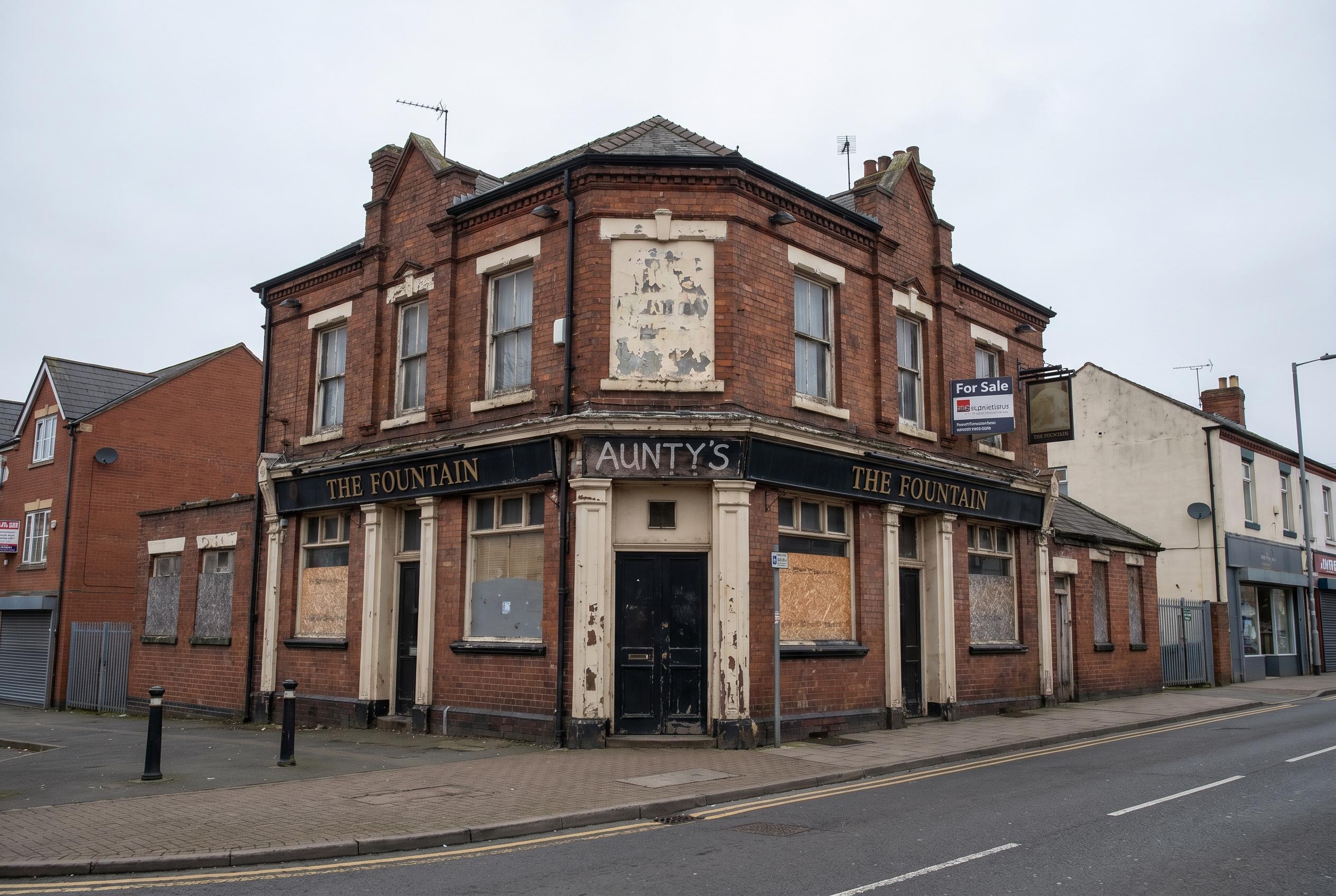
Shoppers and football fans are discovering a hidden chapter of West Midlands LGBT history as Birmingham Opera stages a mini opera inspired by The Fountain , “Aunty’s” , a Walsall pub that offered sanctuary in the 1960s, and why that story still matters today.
Essential takeaways
- Local inspiration: The Fountain, known as Aunty’s, was a Walsall safe haven for LGBTQIA+ people in the mid-1960s and closed in 1968.
- Community collaboration: Birmingham Opera co-created the mini opera with input from the Proud Baggies, an LGBT West Bromwich Albion supporters’ group.
- Authentic voice: Workshop material and some original phrasing from Proud Baggies members are woven into the libretto, giving the piece lived-in texture.
- Emotional pull: The story follows 18-year-old Sam’s search for belonging after a homophobic match-day experience , expect immediacy, grit and warmth.
- Why it matters: The production highlights how past safe spaces shaped lives and underscores the fragility of queer venues today amid redevelopment and rising rents.
Aunty’s: a small pub with a big heart
Step through the door and you can almost feel the hush lift, the warm air of relief that comes when you’re not on show. The Fountain , affectionately called Aunty’s , was one such place in Walsall in the 1960s, a quiet refuge for people who couldn’t be open elsewhere. Birmingham Opera has taken that memory and turned it into a mini opera, a compact piece designed to live in local places and speak directly to local audiences. The result promises to be intimate and immediate, the kind of work that makes history feel tactile.
How Birmingham Opera turns neighbourhood stories into song
Birmingham Opera has a clear mission: take opera out of grand houses and into communities. They produce short, co-created operas that involve local people from idea to stage. For this project they identified Sandwell as underrepresented in their work, and chose the theme of LGBTQIA+ safe spaces to connect history with present issues. According to the company, mini operas let residents shape both script and sound, so the piece about Aunty’s is as much a community record as it is theatre.
Proud Baggies bring football fandom and lived experience
Linking Aunty’s to a West Bromwich Albion match was a smart, human choice. The Proud Baggies , an LGBT supporters’ group , were invited to workshops and shared memories that are now embedded in the libretto. Members say the process was open and moving; some of their actual words made it into the text, which adds authenticity. That crossover of football culture and queer experience gives the story a particular bite: it’s not just about a pub, it’s about who we let in and who we turn away.
The creative team: an opera writer learning to talk football
Mezzo-soprano Joanna Harries wrote the libretto, and admits she felt daunted at first , not least because she knew little about football. But the workshops turned that around, and she found the voice for Sam, the 18-year-old protagonist. Her point is that opera brings a voice to the interior life of characters in ways straight prose often can’t; music amplifies small moments of bravery and shame. Expect close, emotional writing with musical lines designed to reveal what the character can’t say out loud.
Why stories of past safe spaces still matter
Queer venues have moved from secrecy to visibility since the 1960s, yet many face threats now , redevelopment, rising rents and changing social habits. Workshop participants noted that pubs and clubs remain crucial meeting places where people can be themselves. Telling the story of Aunty’s is a way of remembering how important these sites were, and of arguing for their preservation. The mini opera becomes both memorial and a call to attention, reminding audiences that history lives in ordinary places.
What to expect and why you should care
The production is cast later this summer and promises heart and grit, says the creative team. If you care about local history, queer stories or inventive community theatre, this one is worth a look. Birmingham Opera’s Opera Shots and community programmes show they’re serious about accessibility, so watch their listings for performance details and ticketing. And if you go, bring someone who loves football and someone who doesn’t , the piece is designed to speak across experiences.
It’s a small, local story with a big heart , and a reminder that the venues that let us be ourselves deserve to be remembered.
Source Reference Map
Story idea inspired by: [1]
Sources by paragraph: