Shoppers and club-goers are talking openly about Party and Play (PnP) and same-sex play, so here’s a clear, non-judgemental guide to what PnP is, how gay culture has shaped sex toys, and practical ways to keep encounters safer and more satisfying. It matters because informed communities reduce harm and boost pleasure.
Essential Takeaways
- What PnP means: Party and Play (chemsex) involves using drugs to enhance sexual encounters, often arranged via apps or online communities.
- Safer sex basics: Condoms, lube, regular STI testing, and clear pre-session consent are still essential even when substances are involved.
- Harm reduction: Know the drugs, avoid mixing, have a sober contact where possible, and access drug-checking or support services.
- Cultural impact: Gay men helped normalise a broader market for male sex toys, which now offer more variety and better design.
- Community value: Open, sex-positive spaces give men safer ways to explore desires, whether they choose drug-enhanced play or not.
What is PnP , and why does it matter now?
Party and Play, commonly called chemsex, is when men intentionally use drugs to amplify sex, often making sessions feel longer, louder or less inhibited. According to health reporting, the practice has risen in visibility because apps make finding partners faster and more explicit. This matters because the mix of sex and substances raises specific risks , from impaired consent to overdose , that simple dating doesn't always present. If you’re curious or involved, the key is understanding the environment and your vulnerabilities before you join in.
Practical harm-reduction steps everyone should know
Harm reduction doesn’t moralise; it gives practical steps to lower risk. Public health sources recommend knowing the substances you plan to use, avoiding poly-drug combinations, having a sober or less-affected friend present, and using drug‑checking services where available. For sexual safety, bring condoms and plenty of lubricant, plan regular STI testing, and consider biomedical prevention like PrEP. Small preparations , a phone charger, written emergency contacts, and clear limits agreed beforehand , can make a big difference during an intense night.
Consent and communication when drugs are involved
Consent has to be ongoing, verbal and mutual, and substances complicate that. If someone seems confused, can’t follow simple instructions, or can’t recall the encounter afterwards, that’s a red flag. Experts advise agreeing boundaries before any drugs come into play, checking in regularly, and accepting that “no” or silence at any point must stop the activity. Creating a culture where check-ins are normal helps everyone feel safer and more respected.
How gay culture helped shape modern sex toys
The market for male sex toys developed in part because gay men were early adopters who pushed for products that reflected their needs. Coverage from lifestyle and industry reporting shows this demand encouraged greater variety , prostate toys, tailored vibrators and designs that are more ergonomic and discrete. That legacy benefits everyone now: mainstream brands are more inventive, materials are better, and marketing is less stigmatising. If you’re exploring toys, try products from reputable makers, read reviews that mention materials and cleaning, and pick sizes that match your comfort level.
Where to find supportive, sex-positive spaces
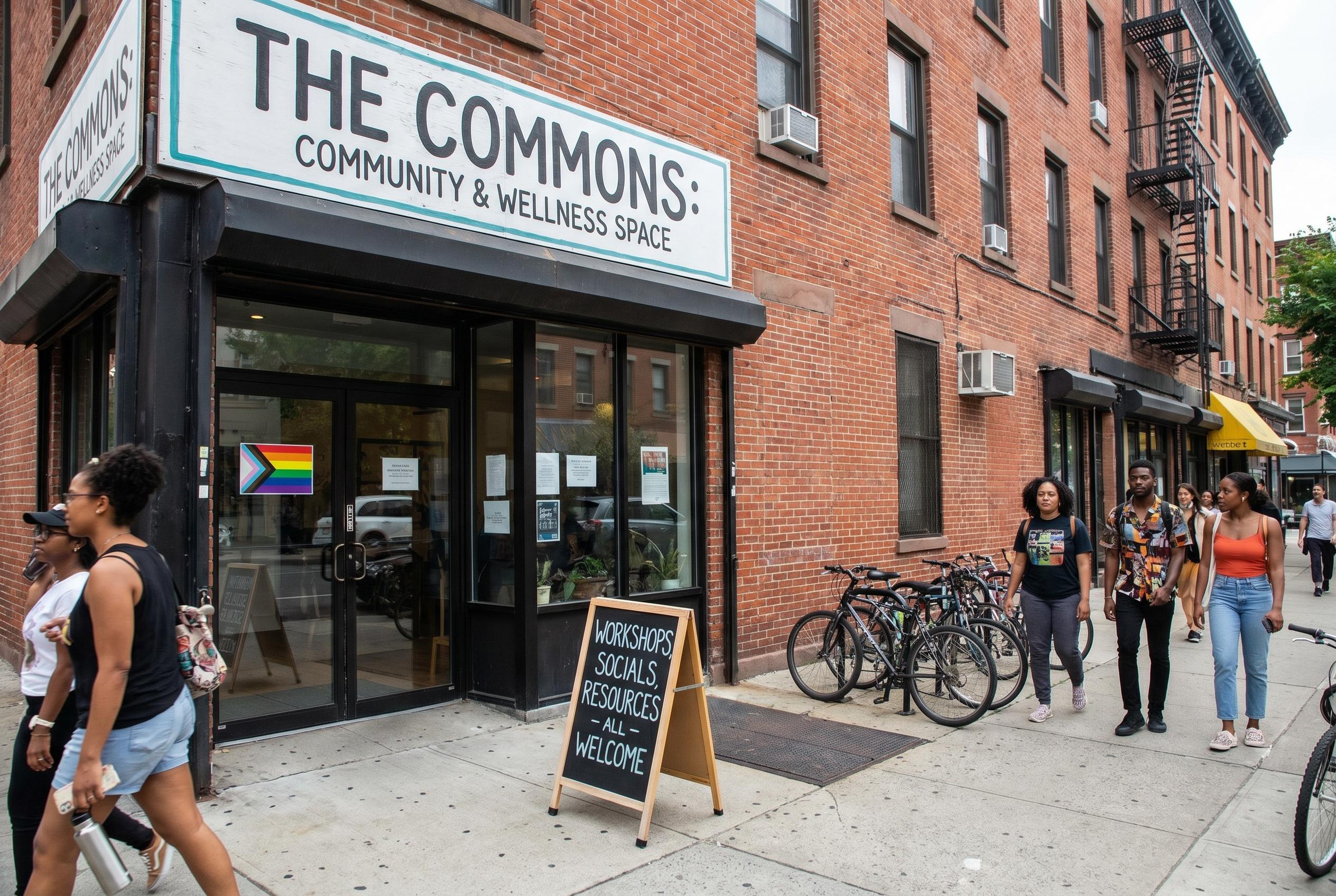
Sex-positive communities range from local groups and workshops to online forums and apps that explicitly promote consent-first meetups. These spaces are useful whether you want drug-free exploration or informed conversations about PnP. Look for venues that advertise harm-reduction resources, host educational sessions, or partner with culturally competent health providers. If you’re new, attend an information event first, ask questions, and watch how organisers handle safety and boundaries before taking part in play.
Resources and when to seek help
If drug use or sexual encounters start to feel out of control, reach out early. There are harm-reduction organisations, culturally informed clinics, and community groups tailored to men who have sex with men that can advise on safer practices and treatment options. For immediate drug-related concerns, local emergency services are the right call; for ongoing support, look for clinics offering chemsex guidance, counselling and peer-led programmes. Honest conversations with a non-judgemental provider can change outcomes.
It's a small change to how you prepare and communicate that can make every encounter safer and more enjoyable.
Source Reference Map
Story idea inspired by: [1]
Sources by paragraph: