Shoppers and families in Idaho are watching a landmark legal fight unfold as six transgender residents, backed by major civil liberties groups, sue to block a new state law that criminalises use of restrooms and changing areas matching their gender identity. The case matters for privacy, safety and constitutional rights.
Essential Takeaways
- Who sued: Six transgender Idaho residents, represented by the ACLU Foundation, ACLU of Idaho, Lambda Legal and private firms.
- What the law does: It criminalises using public restrooms or changing rooms that don't match a person’s birth-assigned sex, with jail time on the table.
- Penalties: First offence is a misdemeanor (up to one year); a second within five years can be a felony (up to five years).
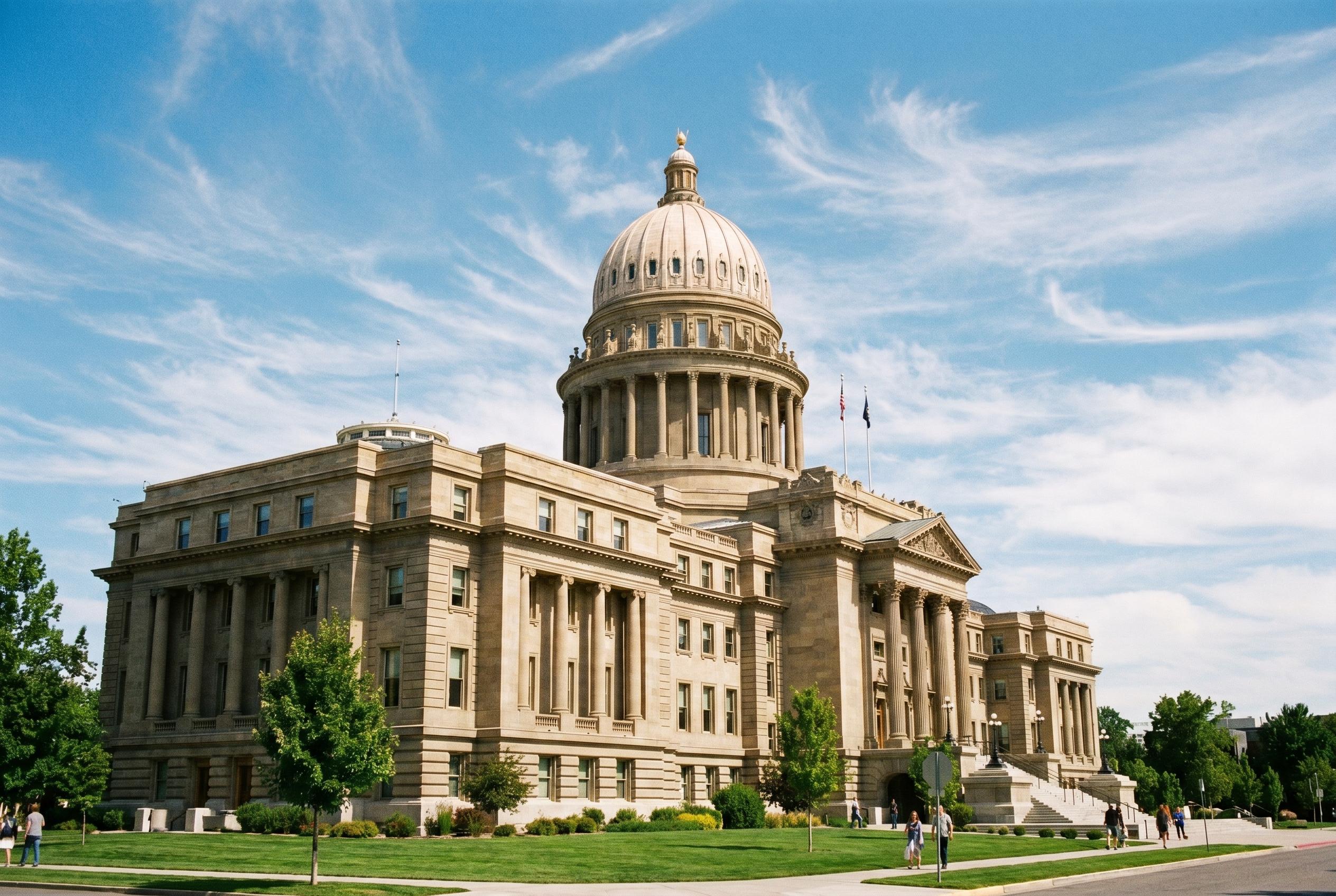
- Where it stands: The suit was filed in U.S. District Court in Boise; the law takes effect in July.
- Why it matters: Plaintiffs say the statute risks violence, harassment and psychological harm, and violates due process, equal protection and privacy.
What’s in the lawsuit and who’s behind it
The filing names six transgender Idahoans and targets the state’s top legal officers, including the attorney general and every county prosecutor. The civil Liberties challenge argues the law breaches the 14th Amendment protections for equal treatment and privacy, and it frames the law as both punitive and exclusionary. Legal teams from the ACLU and Lambda Legal say this may be the first federal suit directly challenging the newly enacted measure, and they’re moving fast given the law’s July start date.
The law’s reach , where and how it applies
Idaho’s statute covers restrooms and changing rooms in government buildings, restaurants, stores and other places open to the public. That means it’s not limited to schools or colleges , it affects everyday errands and nights out. Supporters pitched the measure as a safety step, but plaintiffs and civil-rights advocates counter that it conflates transgender people with criminal predators, a claim the suit calls inaccurate and rooted in hostility rather than evidence.
The penalties and why they’re notable
The criminal penalties are what set this law apart from similar rules elsewhere. First-time violations can bring up to a year behind bars; repeat offences within five years risk felony charges and five-year sentences. Idaho joins only a handful of states that have attached criminal sanctions to bathroom restrictions, a detail that civil liberties lawyers highlight as particularly harsh and likely to draw intense judicial scrutiny.
Broader context , where this fits in the national trend
Transgender access to public spaces has been a flashpoint across the U.S., with around 20 states showing some form of restriction and a small number adopting criminal penalties. Advocates note an uptick in restrictive measures since national political changes in 2025, and Idaho has already passed school- and campus-specific bans that are also being litigated. Courts are now the main arena where these laws are tested, and outcomes in Idaho could ripple to other states.
Practical implications for residents and businesses
For transgender Idahoans, the law could mean avoiding public facilities or facing prosecution; for businesses and schools, it creates enforcement questions and potential liability. If you run a public venue, now’s the time to review policies, signage and staff training with legal counsel. For individuals, keeping documentation, understanding local enforcement practices and connecting with advocacy groups may provide practical support while the case moves through court.
It's a small change on paper with big consequences for daily life, and the courts will now decide whether that change can stand.
Source Reference Map
Story idea inspired by: [1]
Sources by paragraph: