Shoppers are turning their heads as Amsterdam Pride has been nominated for UNESCO Intangible Cultural Heritage status, a move that spotlights seven days of canal parades, street parties and queer cultural expression , and could reshape how festive traditions earn global recognition.
- What’s happened: The Dutch government has nominated Amsterdam Pride for UNESCO intangible cultural heritage listing.
- Scale and spectacle: The festival draws hundreds of thousands each year and is best known for its decorated boat parade along the canals , colourful, noisy and unmistakably festive.
- Why it matters: The bid leans on the Netherlands’ record on gender equality and queer emancipation, giving the application weight beyond tourism.
- Practical timeline: Organisers must submit a formal dossier by the government deadline, and UNESCO’s decision could take until late 2028.
- Feel and flavour: Expect a dossier emphasising community backing, tradition, and the sensory sweep of canal crowds, music and banners.
Why the nomination landed and what it looks like up close
The strongest piece of the application is the canal parade itself: a slow-moving, visual feast of boats, costumes and music that people describe as joyous and loud. According to reporting in the Netherlands, the nomination follows advice from the national cultural council and a recognition that Amsterdam Pride is more than a party , it’s a lived cultural practice. For locals and visitors it reads as an annual ritual, full of colour and scent, that stitches communities together.
A bid built on rights and history
Dutch officials are leaning on the Netherlands’ international reputation on LGBTQ+ rights as part of the argument. The country was first to legalise same-sex marriage and has visible queer representation in politics, and the bid frames the festival as an expression of that national story. That context matters because UNESCO assesses human-rights compliance and community support when considering intangible heritage nominations.
What organisers need to do next
Now comes the paperwork. Pride organisers must compile a dossier showing the festival’s significance, community backing and safeguarding measures, then win unanimous sign‑off from the council of ministers. The process can take up to two years; UNESCO’s committee will consult NGOs and specialists before a final verdict, probably by late 2028. So while the nomination is exciting, it’s the start of a long, careful stretch of work.
How this compares with other Dutch heritage entries
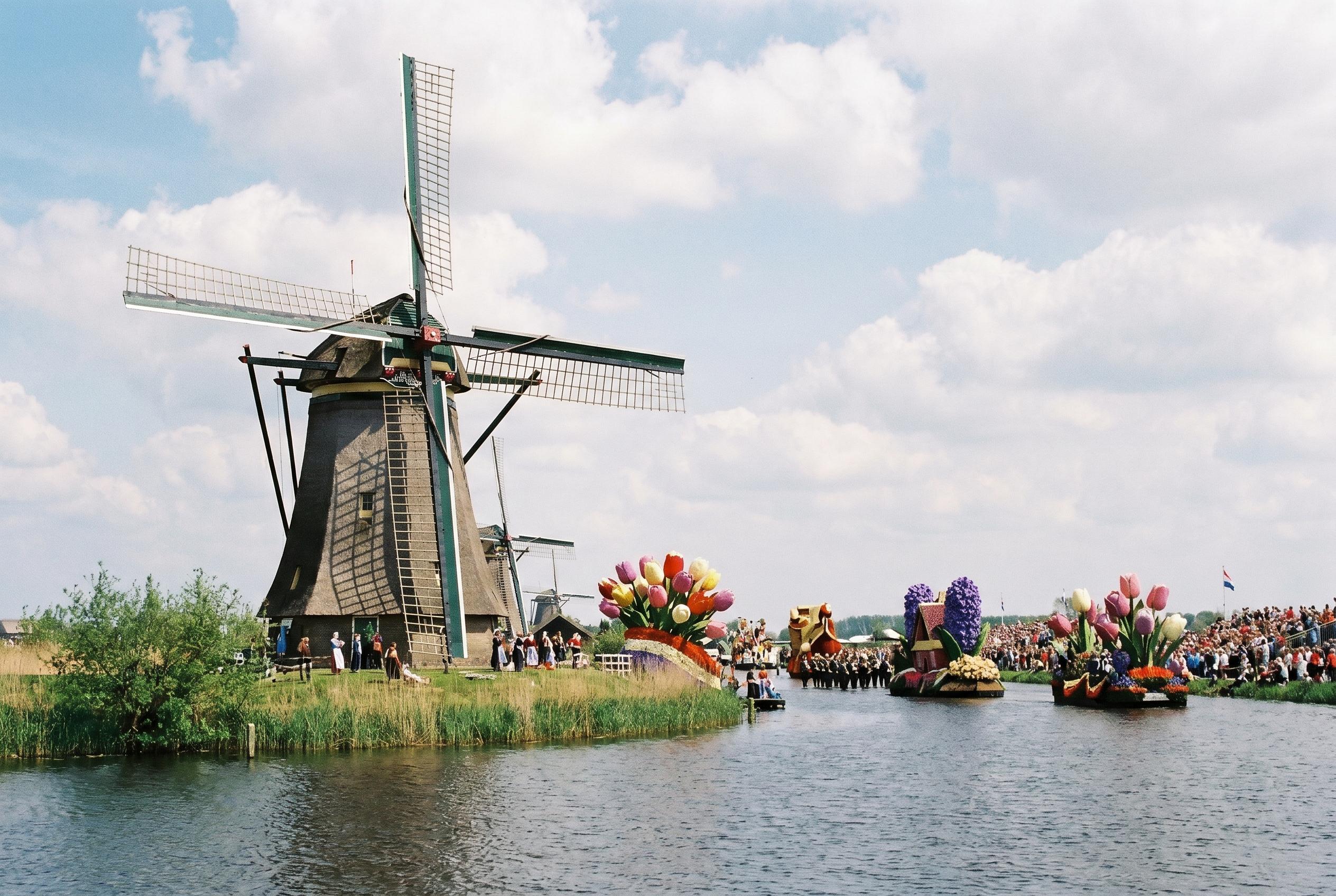
The Netherlands already has several living traditions on its heritage roster , think windmill operation and flower parades , and Amsterdam Pride has sat on the national heritage register since 2019. That prior recognition gives the bid a head start and places Pride in a list of practices the country calls central to its culture. It’s an interesting shift: celebrations rooted in identity and protest are now being framed alongside artisanal and agricultural customs.
Wider ripple effects: politics, tourism and cultural memory
If successful, the listing could alter how festivals are preserved and promoted, with implications for funding, local planning and tourist flows. It also opens a conversation about safeguarding living culture: listings don’t freeze events in amber, they encourage stewardship. Some voices welcome the international recognition, others worry about over‑tourism or sanitisation. Either way, the nomination starts a useful public debate about what we choose to protect.
It's a small change that can make every parade safer and more celebrated.
Source Reference Map
Story idea inspired by: [1]
Sources by paragraph: