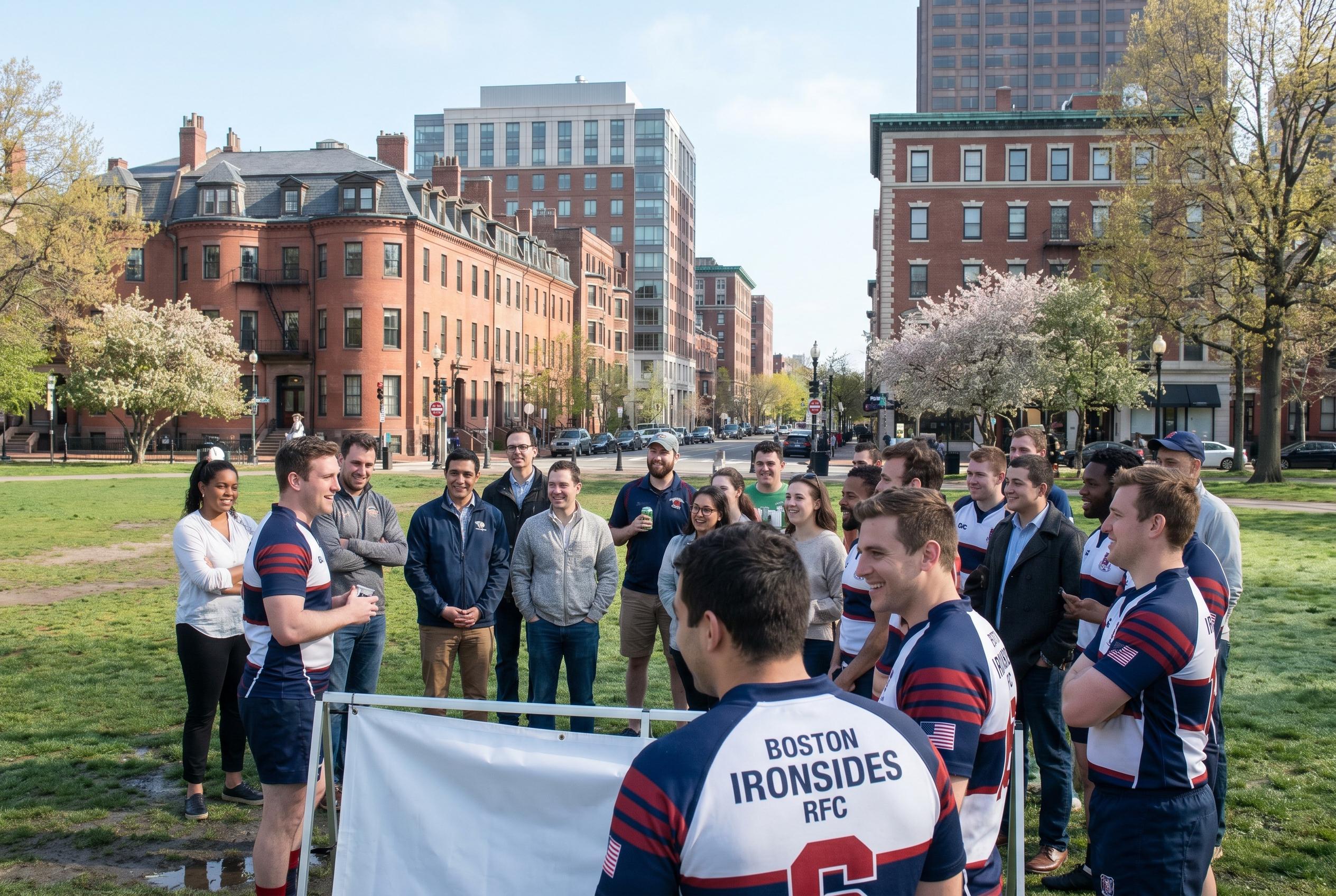
Celebrate together: organisers, longtime walkers and newcomers are gathering in Boston to mark the 40th AIDS Walk, now Strides for Action, honouring lives lost, supporting people living with HIV, and strengthening local LGBTQIA+ care networks with shared steps and renewed purpose.
- What it is: A four-decade-old community walk on Boston Common that raises funds and visibility for HIV care and LGBTQIA+ services.
- Who shows up: Generations of participants , longtime supporters, first-time walkers, teams like sports clubs , bringing camaraderie, memory and purpose.
- Atmosphere: Visible, upbeat and reflective; expect speeches, drag celebrations, team banners and a sense of shared responsibility.
- Practical: You can register, form a team, donate, or attend pre‑walk fundraisers; comfortable shoes and sunscreen help, and teams often bring water and snacks.
- Why it matters: Beyond fundraising, the walk reduces stigma, celebrates progress, and sustains local services many still depend on.
A walk that feels like a community hug
Forty years in, Strides for Action still lands as an event that’s equal parts celebration and remembrance, with a warm, human energy under the banners and team shirts. For many, there’s a tactile comfort to the day , the thump of footsteps, the hum of conversation, the sight of familiar faces , that makes it more than a fundraiser. According to local coverage and historical organisers, the walk began as a direct response to the AIDS crisis and has kept that urgency alive while becoming a community ritual over time.
Remembering those who came before
Participants often say they walk to honour activists, friends and partners who didn’t live to see advances in treatment. That sense of remembrance is deliberate and public, a way to pass stories down and keep lessons alive. Fenway Health and community leaders frame the walk as both memorial and mobilisation; each step is an act of gratitude that helps younger people understand the battles that shaped today’s services and rights.
New voices, same purpose
Younger participants and team-based entrants , from rugby clubs to workplace teams , are putting a fresh spin on the event. They join for camaraderie and shared values, while also learning the history the walk preserves. Event pages and organisers note that broadening outreach to more of the LGBTQIA+ community has widened the walk’s focus to include prevention, testing and general wellbeing, not just HIV services, which keeps the event relevant as medical progress changes needs.
Stigma reduction through visibility and action
Walking publicly, fundraising and talking about HIV are small acts that chip away at stigma. Longtime supporters stress that even with medical advances, discrimination and misinformation persist, and community visibility helps. Local commentaries have highlighted that events like this still play a crucial role for groups disproportionately affected by HIV, offering solidarity as well as practical support.
How to take part and make the most of the day
If you’re considering joining, register online, or sign up a team to amplify impact and fun. Plan simple logistics: choose comfy shoes, bring a water bottle, arrive early for warm-ups and pre-walk festivals, and check for accessibility options if needed. Fundraise through personal pages and social posts , little stories and photos go a long way , and consider attending the pre‑walk drag celebration to connect with others before the main event.
It's a small change that can make every stride count.
Source Reference Map
Story idea inspired by: [1]
Sources by paragraph: