Discover why queer writers and readers have long gravitated to horror; this piece traces the queer history of monsters, the filmmakers and authors who shaped it, and how modern novels and media reclaim fear as freedom. It's a lively guide for readers who want context, recommendations, and ways to read horror through a queer lens.
- Rich lineage: Queer themes run through horror from Bram Stoker to James Whale, giving classic monsters subtext and emotional weight.
- Reclaiming the monstrous: Many queer readers see villains as sympathetic outsiders, messy, campy, and cathartic.
- Visible creators: Filmmakers and playwrights, like James Whale and Howard Ashman, brought queer aesthetics into mainstream horror and fantasy.
- Reading tips: Look for queer-coded subtext, author biographies, and historical context to deepen your appreciation.
- Practical pick: Start with a modern queer horror novel and pair it with a classic film to see the echoes and evolution.
Why queer readers keep returning to horror
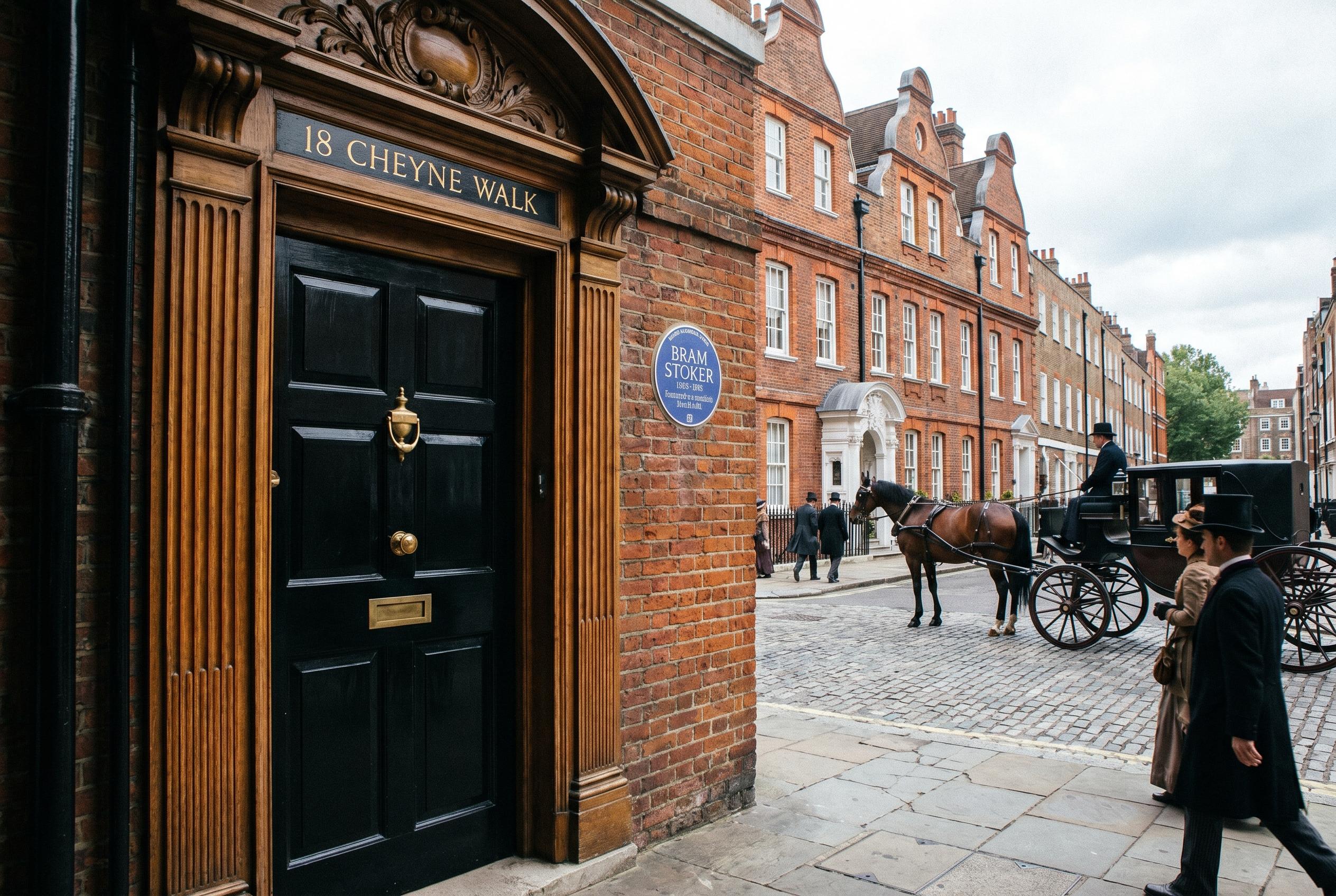
Horror gives you permission to feel big and messy, and that's part of its queer appeal. The genre invites empathy for outsiders, witches, monsters, the damned, which resonates when your own identity has been framed as other. According to scholars unpacking Victorian texts, Bram Stoker's Dracula contains threads that read as repressed desire and coded sexuality, which adds a shiver of recognition for modern queer readers.
Backstory matters here: horror has been a place to encode feelings that couldn't be named openly. So when you watch old monster films or read gothic novels, you're often reading a second story beneath the surface. That hidden layer can be comforting, even thrilling, because it allows queer readers to inhabit rich, transgressive imaginings that mainstream culture once denied them.
Bram Stoker and the Victorian queer subtext
Dracula still creeps under the skin for a reason: it's dense with atmosphere and ambiguous desire. Literary scholars have argued that Bram Stoker may have been working through feelings he couldn't otherwise express, and that ambiguity is part of the book's longevity.
This isn't about retroactive wishful thinking; it's a reading strategy. When you pair historical detail with the text, the hints of attraction, coded intimacy, and social taboo start to cohere. If you want to explore further, read critical essays that situate Stoker in his social moment, context turns a thrilling story into a layered experience.
James Whale and the visual language of queer horror
If Dracula is the novel that invites queer readings, James Whale is the director who made queer aesthetics cinematic. Whale, openly gay among his peers, infused films like The Bride of Frankenstein with camp, tenderness, and a sense of misfit community that still feels fresh.
Those stylistic choices, exaggerated sets, melodramatic gestures, a fondness for the theatrical, became shorthand for queer-coded cinema. Watching Whale now, you can see how visual flourish communicates what words often suppressed. For anyone curating a queer horror movie night, a Whale double bill offers both chills and deep creative joy.
Drag, camp, and queer-coded villains beyond horror
Queer influence isn't confined to gothic novels or Universal-era films. Think of Ursula from The Little Mermaid, modelled in part on drag performer Divine by Howard Ashman, and you see how camp and villainy can intersect playfully. Villains often allow for a broader emotional range than straight heroes, they can be ostentatious, tragic, funny, and defiant all at once.
That broad emotional palette is useful for queer storytellers who need a space to be loud and complicated. When creators draw on camp, they make room for joy alongside the dark. For readers and viewers, spotting those choices feels like finding a wink aimed right at you.
How to read and recommend queer horror today
Start with a modern queer horror novel, one that foregrounds queer lives rather than hiding them in subtext, and then go back to a classic to trace the echo. Read author bios and interviews; knowing a creator's background changes how you experience a book or film. If you're gifting a queer friend a horror title, match tone to taste: melancholic gothic for someone reflective, campy monster mash for someone who loves wit.
Practical tip: choose editions with forewords or critical notes if you want help unpacking subtext. And don't be afraid to enjoy the spectacle, sometimes a little melodrama is exactly the medicine you need.
It's a small change that can make every scare feel like an act of recognition.
Source Reference Map
Story idea inspired by: [1]
Sources by paragraph: