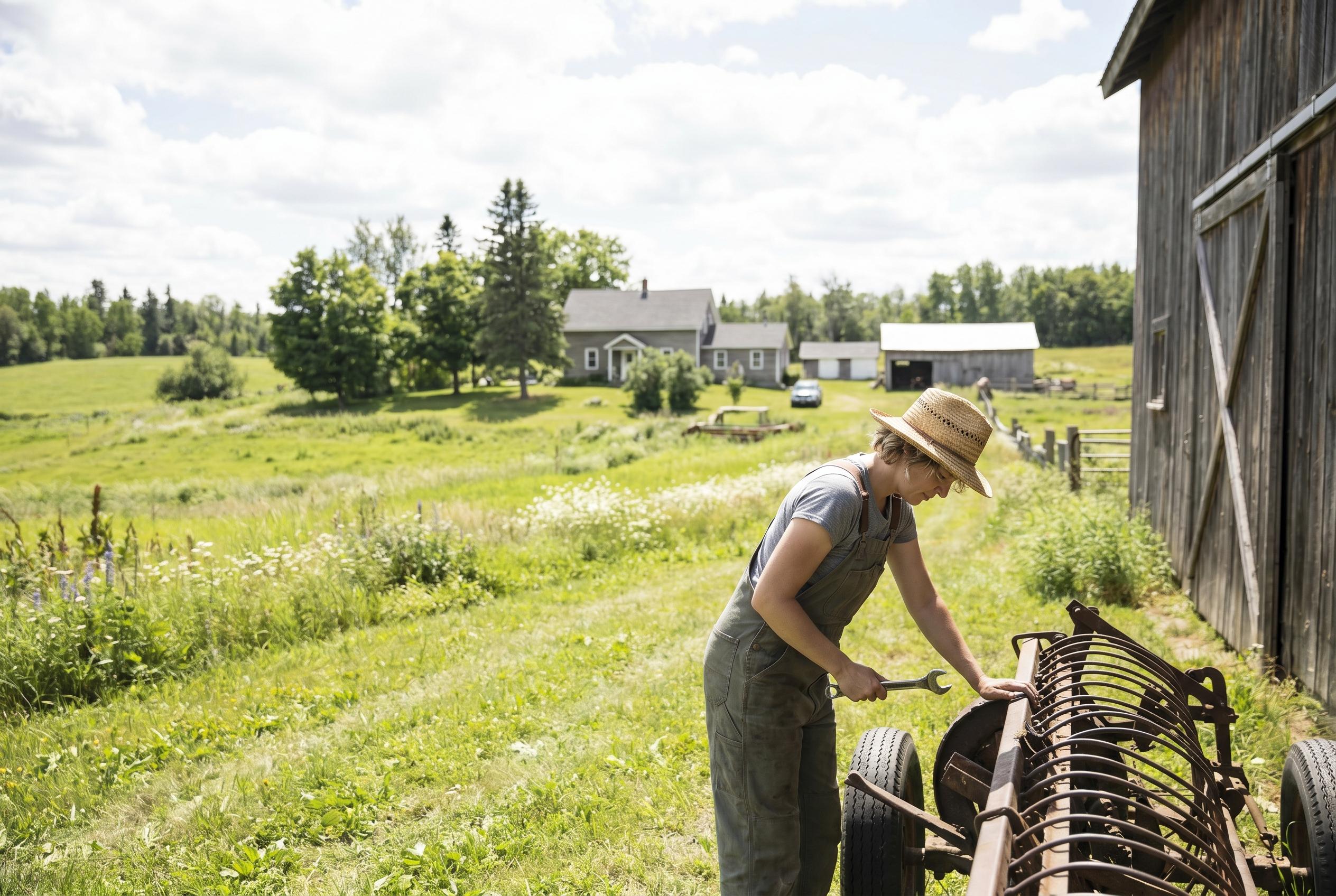
Shoppers and readers are noticing a wave of new LGBTQ+ farmers reshaping rural life, from lavender plots to small-scale mixed farms; this matters because diverse voices bring fresh practices, safer communities and new markets that benefit both growers and neighbours.
Essential Takeaways
- Growing representation: LGBTQ+ people are increasingly entering farming, bringing diverse perspectives and inclusive community-building.
- Fresh approaches: New farmers often adopt sustainable, specialty or direct-to-consumer models that feel modern and hands-on.
- Community benefit: Inclusive farms can create safer, welcoming spaces that encourage others to try farming or visit.
- Practical payoffs: Specialty crops and agritourism , think lavender, small CSA boxes or farm shops , help smaller operations survive and thrive.
Why LGBTQ+ farmers matter now
There’s a quietly excited energy on small farms started by LGBTQ+ people, and you can feel it in the colours of a lavender field or the warm signage outside a farm shop. As more queer growers take up land and livelihoods, they’re not just producing food or flowers; they’re reframing what farm life looks and feels like. According to local community groups and pride organisations, this broader participation helps rural areas become more welcoming and resilient.
Historically, farming networks could feel closed and traditional, so seeing new faces is a small revolution. The newcomers often bring sustainable practices, experiments with niche crops and greater focus on visitor experience , which, frankly, makes a day on the farm more interesting for everyone. If you’re thinking of visiting or starting a micro-farm, look for places that combine production with education and hospitality.
From overalls to entrepreneurship: the rise of specialty small farms
Many of the newest LGBTQ+ farmers aren’t trying to replicate large industrial farms; they’re choosing specialty crops and direct sales. Lavender, niche vegetables, boutique lamb or artisanal preserves let small plots generate real income without massive machinery. These model farms usually favour a hands-on, community-minded approach , monthly markets, pick-your-own sessions or workshops , which builds loyal customers.
This trend ties into wider shifts in consumer taste for traceability and connection. Urban buyers want stories and experiences, and small, personality-driven farms deliver them. If you’re weighing a switch to small-scale farming, start by testing a few high-value crops and cultivating a local customer base before scaling up.
Building safe spaces and rural community
One of the quietest but most important changes is social. Inclusive farms become places where people feel safe to learn and work, and that ripples outward. Pride organisations and local support groups have helped nourish these emerging communities by sharing resources and creating networks for new farmers. That support matters: feeling welcomed can be the difference between a hobby plot and a sustainable business.
For neighbours and visitors, the result is often a friendlier countryside. Festivals, farm tours and open days provide low-pressure ways for people to meet and for misconceptions to fade. If you manage or visit a small farm, a simple thing like clear signage and inclusive language goes a long way.
Practical tips for aspiring LGBTQ+ farmers
Start small and build community before you expand; a market stall or seasonal pop-up tests demand without heavy investment. Choose crops with strong margins and local interest , herbs, cut flowers or microgreens are common first choices. Use social media and partnerships with local pride or community groups to reach customers who value inclusive brands.
Also, investigate local resources: many regions have agricultural extension services, peer networks and online groups that share how-to knowledge and sometimes small-grant opportunities. And when choosing land, consider both soil and social factors , proximity to markets and community acceptance both affect success.
What to watch next: markets, mentorship and legacy
Expect more collaboration between queer growers, local businesses and cultural events as these farms mature. Mentorship will become crucial , today’s fledgling farms could be tomorrow’s community stewards, offering apprenticeships and passing on craft skills. That evolution will help normalise diversity in rural trades and inspire younger people to give farming a go.
In short, these new farmers are sowing more than crops: they’re planting ideas and communities that stand to benefit everyone.
It's a small change that can make every harvest feel more inclusive and interesting.
Source Reference Map
Story idea inspired by: [1]
Sources by paragraph: