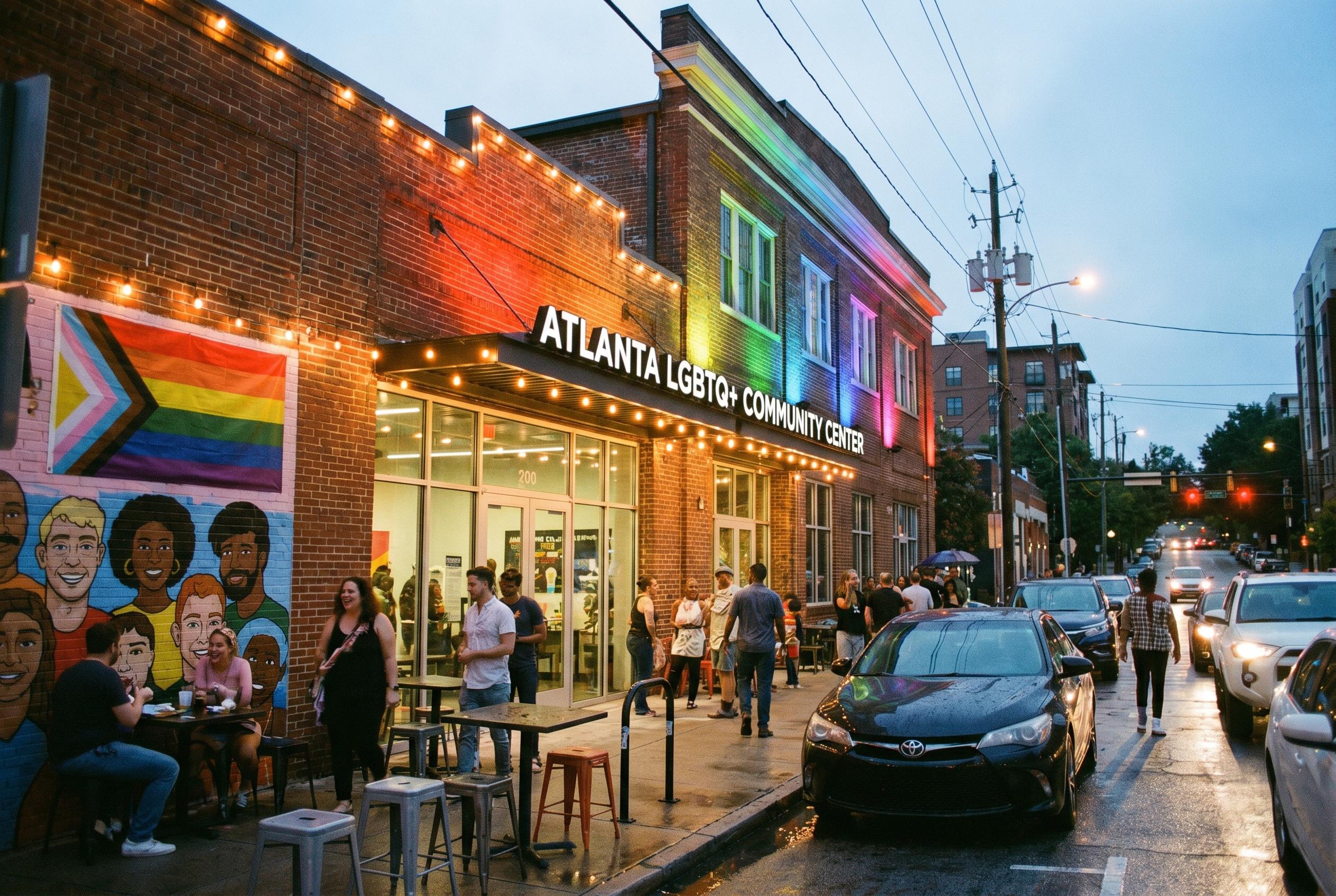
Spotlight Malik Brown: Atlanta’s first Director of LGBTQ+ Affairs is building bridges between city hall and communities that have long been overlooked, shaping big moments like the city’s FIFA World Cup 2026 bid, and turning honest conversation into policy change that matters.
Essential Takeaways
- Historic appointment: Malik Brown is the Southeast’s first city-level Director of LGBTQ+ Affairs, a role created to connect government and marginalised communities.
- Trust-building approach: He meets scepticism with tangible access, linking people to resources, decision-makers and policy talks.
- Inside-outside strategy: Brown believes progress happens when grassroots urgency and institutional access work together.
- Focus areas: His early priorities included trans and non-binary equity, homelessness during major events, and community-centred planning for World Cup infrastructure.
- Practical impact: Brown pushed for consistent action over rhetoric, helping anchor inclusion in city planning and civic moments.
Why this job matters now
Brown’s appointment marked a first for Atlanta and the wider Southeast, signalling a city taking inclusion more seriously in official channels. There’s a warm, human detail to it: communities that have long felt sidelined suddenly had a named point of contact at City Hall. That matters because policy without trust rarely lands. According to local reporting, this role was a deliberate effort by the mayor’s office to make government more accessible and responsive to LGBTQ+ residents.
Context helps explain the momentum. Cities across the US have been asked to reckon with who benefits from development and civic events, and Atlanta is no exception. City leaders have faced pressure to plan major projects, like World Cup-related development, with equity in mind, not as an afterthought. Brown’s presence at the table gave advocates someone who could translate community needs into concrete policy asks.
How Brown builds trust across city and community spaces
He starts with two truths: marginalised communities have very good reasons to distrust government, and many public servants are trying to do better. Brown’s method is practical and relational. Instead of lecturing, he opens doors, introducing community members to the people who hold budgets and make decisions. That simple shift, from complaint to connection, helps convert scepticism into engagement.
This is also where the “insider-outsider” idea comes in. Brown encourages activists to partner with sympathetic officials so urgency becomes action. It isn’t about diluting protest but about turning energy into wins, funding, services, representation. For leaders wondering how to replicate that, the takeaway is obvious: don’t just invite community voices; give them meaningful influence over outcomes.
Where attention was focused: trans, homelessness and the World Cup
Early coverage of the director role highlighted specific priorities: supporting trans and non-binary residents, addressing homelessness in the run-up to major events, and ensuring development projects don’t erase historic communities. Those are tactile issues, rights, shelter, and the feel of neighbourhoods, so the work needs both policy muscle and human sensitivity.
The World Cup bid and related developments raised practical stakes. Planning for stadiums, hotels and transport can easily sideline locals. Brown’s role included making sure equity was factored into those conversations, from community benefits agreements to outreach during construction phases. The message: big civic moments should lift the people who live there, not push them out.
What to learn if you want similar change
If you’re an activist, a city employee or a business leader, Brown’s approach offers a simple blueprint. First, cultivate relationships, real ones, across the divide. Second, demand measurable commitments instead of vague promises. Third, pair urgency with practical pathways to influence, whether that’s advisory seats, funding mechanisms, or transparent timelines.
For employers or team leaders, his advice about belonging applies equally well: let people show up fully, and you’ll get better performance and creativity in return. It’s a pragmatic kind of inclusion that improves morale and moves projects forward.
What happens next and why it matters
Positions like this one test whether municipal governments can change culture as well as policy. Some reports suggest Brown later resigned, which raises questions about how sustainable these roles are without long-term institutional support. Still, the short-term wins matter: naming inequities, creating channels, and forcing civic plans to account for people who often get left out.
If nothing else, Brown’s tenure showed that a role can be both ambassador and agitator, someone who opens doors while reminding institutions why those doors were needed in the first place. That balance is precisely what local democracy needs more of right now.
It's a small change that can make every civic decision feel more inclusive.
Source Reference Map
Story idea inspired by: [1]
Sources by paragraph: