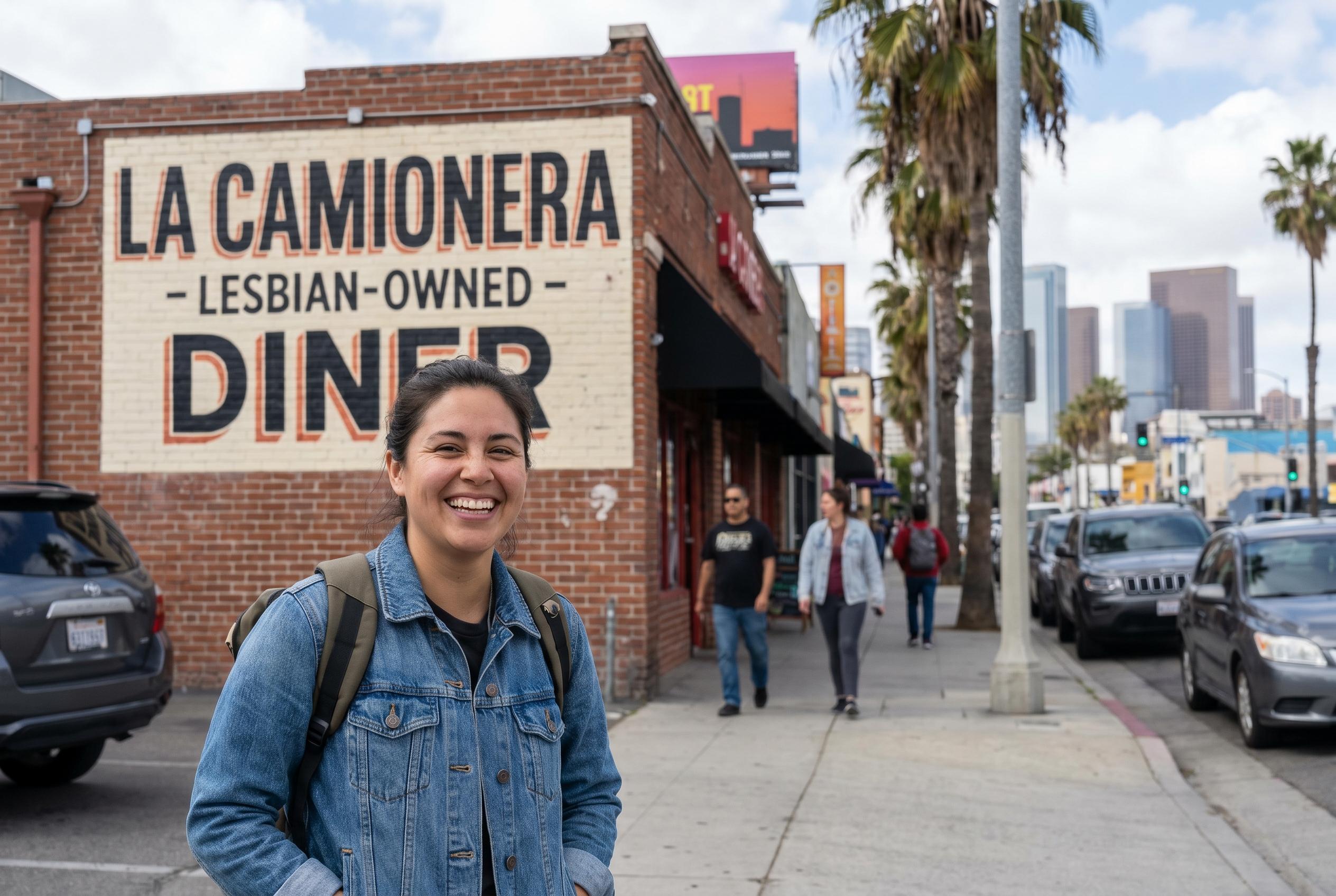
Notice how visibility still has to fight for space: Lovehoney’s cheeky campaign about sapphic pleasure was barred from mainstream out-of-home slots during Lesbian Visibility Week, sparking debate about who gets to define queer desire and where those conversations can happen.
Essential Takeaways
- Campaign blocked: Lovehoney’s optician-style posters referencing real lesbian humour were rejected by at least one major OOH buyer, limiting exposure.
- Creative intent: The ads used witty, lived-experience lines to centre lesbian voices rather than titillate a straight audience.
- Redirected budget: Money earmarked for mainstream sites was instead invested in LGBTQIA+ venues and community organisations.
- Pattern of censorship: Similar incidents have happened before, showing repeated discomfort with explicit lesbian framing compared with heteronormative sexual content.
- Practical result: The decision sparked fresh debate about where queer representation is deemed acceptable and why context matters.
A cheeky idea that hit a surprisingly blunt roadblock
Lovehoney’s campaign, which riffed on optician charts to bring sapphic pleasure into focus, was designed to feel familiar and tongue-in-cheek rather than explicit. According to industry reporting, those lines , the sort of banter you might hear among friends , were judged unsuitable for some out-of-home platforms. It’s jarring given how much sexual innuendo fills the advertising landscape, and it raises the simple question: why does lesbian intimacy get policed differently?
How the campaign was meant to land , and why that mattered
The point of the creative was to centre lesbian voices, not to shock. The copywriters deliberately leaned into everyday humour and specificity so the audience would recognise themselves, not be reduced to a stereotype. PR leads said visibility like this is political as much as cultural; when a mainstream channel pulls the plug, it’s not just one poster that’s lost, it’s a potential normalised depiction of lesbian life.
Bigger picture: a pattern, not a one-off
This isn’t the first time lesbian-focused advertising has been curtailed. Industry observers point to past examples where lesbian visibility met tighter restrictions than comparable heterosexual content. That pattern suggests moderation decisions aren’t neutral; they reflect cultural discomfort about queer people claiming their own narratives. The result is tokenism on one hand and erasure on the other.
Community-first response: money redirected where it matters
Rather than let the cancellation be a simple defeat, the campaign team rerouted the media spend into LGBTQIA+ venues and organisations that put lesbian and queer life front and centre. That practical pivot means the message still reached real communities: venues, grassroots groups and centres where visibility isn’t contested but celebrated. It’s a reminder that representation can be built bottom-up as well as top-down.
Why this debate still matters for brands and audiences
Brands that try to speak directly to queer audiences often face a choice: sanitise and risk alienating the community, or keep authenticity and risk rejection by mainstream gatekeepers. For marketers and media buyers, the lesson is to examine standards that treat similar levels of sexual suggestion differently depending on who’s speaking. For readers, it underlines that visibility isn’t passive , it’s something communities often have to demand and defend.
It's a small change that can make every public moment of queer life feel a bit less policed.
Source Reference Map
Story idea inspired by: [1]
Sources by paragraph: