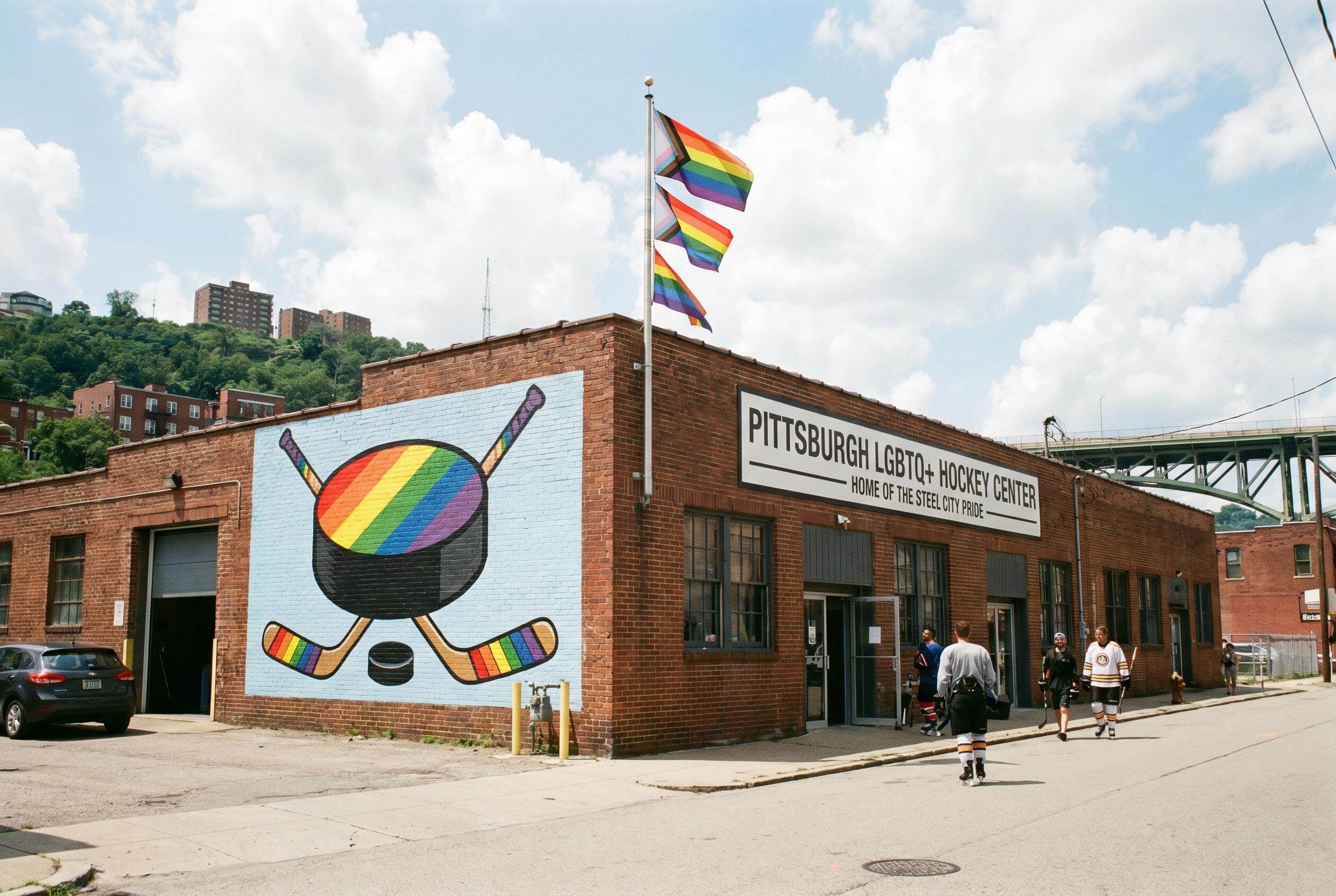
Shoppers are turning to community rinks and inclusive leagues as safe places to play hockey; LGBTQ+ associations from Seattle to Pittsburgh are filling a gap left by mainstream sport and giving players a place to belong, compete and just have fun on the ice.
Essential Takeaways
- Growth in interest: TV shows like Heated Rivalry have driven hundreds of new enquiries to Pride hockey clubs, creating a fresher, more visible pipeline into the sport.
- Local support helps: NHL teams such as the Pittsburgh Penguins have boosted club growth through public backing and resources, making leagues feel official and welcome.
- Policy headwinds: Recent USA Hockey rule changes prompted by federal guidance have left some clubs worried about access for trans and non‑binary players.
- Real benefits: Players report leagues provide emotional safety, community and improved confidence, whether they’re out veterans or newcomers testing the ice.
Why inclusive hockey leagues suddenly feel essential
Inclusive hockey clubs smell of hot locker rooms and fresh skate leather, but they offer something colder and rarer than that: a sense of belonging. Players who joined an LGBT team often describe the relief of not having to hide who they are while they chase the puck. According to reporting from AP and local clubs, the small rituals , rainbow tape on sticks, Pride warm‑ups , signal safety and invite people in. That feeling is the main draw for many who’ve found mainstream clubrooms unwelcoming.
How pop culture and visibility are changing who signs up
A surprise effect of the hit series Heated Rivalry is more people asking how to play. League organisers in Chicago and elsewhere say hundreds of new enquiries followed the show’s debut, proving representation moves people from spectator to participant. KUOW and league pages note that visibility lowers the psychological bar for joining , suddenly you can imagine yourself on the ice. If you want to get involved, look for beginners’ clinics or open skate nights that welcome newcomers.
Where pro teams and allies make a real difference
When NHL franchises back local LGBTQ+ initiatives, it isn’t just PR; it buys ice time, coaching, and legitimacy. The Pittsburgh Penguins, with support from leaders who’ve spoken out on inclusion, helped their local league expand from a single team into multiple squads and clinics. NHL coverage and club statements show how team-level leadership can shift community attitudes and attract sponsors and volunteers, making grassroots programmes sustainable.
What’s worrying leagues right now: policy and access
Not all news is rosy. Recent changes to USA Hockey’s policies, prompted by guidance from Olympic officials and a federal executive order, have left some clubs feeling excluded. League presidents and players say limiting teams by sex assigned at birth contradicts the “hockey is for everyone” message. That’s dented morale for some and complicated registration for trans and non‑binary players , practical issues to watch if you’re signing up this season.
Practical tips for players and allies who want to join
If you’re curious, start small: attend an open skate, join a beginner’s clinic, or contact a club’s welcome officer. Check team websites for registration rules and inclusion policies, and ask about equipment loans or buddy programmes if you’re new. Allies can help by showing up to Pride nights, donating time, or amplifying club fundraisers. For parents, look for youth programmes that explicitly state they welcome diverse families and gender identities.
The human payoff: more than goals and assists
Beyond wins, inclusive leagues offer emotional lift , fewer micro‑aggressions, more teammates who get your story, and locker rooms that feel like second homes. Players testify that the joy of playing with people who accept them restores confidence and keeps them in the sport. That simple, steady joy is what keeps these clubs running even when ice time is scarce or politics get noisy.
It's a small change that can make every shift on the ice feel safer and more joyful.
Source Reference Map
Story idea inspired by: [1]
Sources by paragraph: