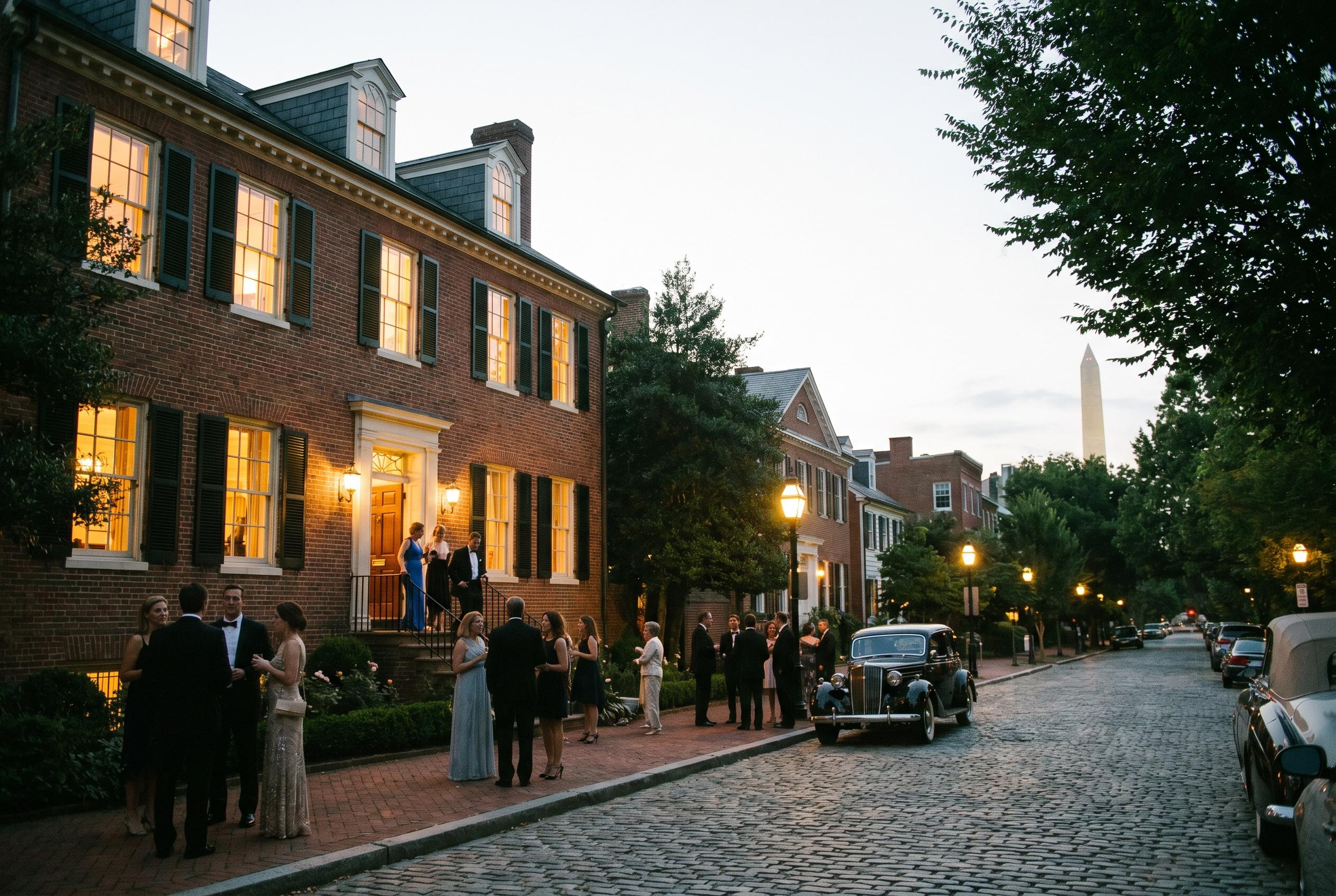
Shoppers of spectacle and politics took notice: Grindr’s White House Correspondents’ Dinner weekend party in Georgetown blended glitzy socialising, targeted lobbying, and a clear message , a dating app is staking a claim in Washington to protect queer users as rights roll back. Here’s what happened, and why it matters.
Essential Takeaways
- Big turnout: The party drew hundreds of Washington insiders , journalists, senior staffers, lobbyists, and politicians , and was one of Nerd Prom’s most talked-about events. It felt packed and buzzy, with a lush garden setting and a waiting line out the door.
- Controlled messaging: Grindr ran the event without a media partner so it could steer the tone and spotlight its political priorities rather than celebrate press institutions.
- Policy playbook: The company is pushing federal influence on app-store age rules, online safety, IVF and surrogacy access, and federal funding for HIV prevention. It’s been investing in lobbying since 2025.
- Safety stakes: Grindr framed the party as part social, part urgent defence work , protecting users’ privacy and rights if broader legal and policy shifts erode LGBTQ protections.
- Tone over theatrics: Despite the hookup-app brand, the event was decorous by Washington standards , networking and cautious revelry rather than anything risqué.
A garden party that read like a power meeting
The scene was unexpectedly elegant: an 1840 Georgetown mansion with half an acre of manicured grounds, hedged terraces and a discreet pool, full of conversation and the low thrum of Daft Punk. Photographers and guests jostled, drinks ran out before midnight, and the crowd favoured mingling over mischief. MetroWeekley and Getty Images coverage captured the full-on social energy, while TMZ’s photos showed the guest mix and atmosphere. It wasn’t a hedonistic bash so much as an intensive networking stop with a playlist.
Why Grindr didn’t partner with a media outlet
Organisers made a deliberate choice to keep the party “purely” Grindr’s. That meant no media co-sponsor to dilute the brand’s message, and more control over the guest list, food, and visuals. The move let Grindr promote its political aims , not press pageantry , while still welcoming journalists. TheWrap explained the strategic reading: this was as much about influence as it was about socialising. For a company whose user base can be legally and socially vulnerable, message control mattered.
Lobbying, policy goals and the new corporate playbook
Grindr has been spending on access. Since registering to lobby in April 2025, the app has poured resources into shaping legislation around app-store accountability for age verification, national AI frameworks for kids’ online safety, and reproductive access policy. Politico and other outlets have noted the company’s six-figure and million-dollar investments in influence. In practical terms, that means one-night VIP chats convert into longer-term policy meetings , the party was part charm offensive and part relationship maintenance with the people who draft and advise on law.
The safety argument behind the champagne
There’s a real, urgent rationale under the spectacle. Grindr’s leadership framed the party as defending users who risk exposure if anonymity erodes and conservative legal challenges succeed. With state-level rollbacks, lawsuits targeting same-sex marriage, and changing federal benefits, corporate engagement isn’t just optics. Grindr told attendees it needed a seat at the table because absent that, its users could be on the menu. That argument reframes a social event into user-protection strategy, with lobbying and public relations working in tandem.
What this means for Washington and culture-war optics
Having a queer-focused app host one of Nerd Prom’s hottest tickets flips the usual dynamic: typically tech and media invite Washington; here Washington sought in. The guest list , from senior staffers to influencers , demonstrated cross-party utility, and showed how companies can court both sides without making a culture-war spectacle. Expect more firms to use high-profile social events as packaged political signals, careful to avoid giving opponents easy soundbites while still amplifying policy aims.
It's a small change that can make every policy conversation feel more personal for the people affected.
Source Reference Map
Story idea inspired by: [1]
Sources by paragraph: