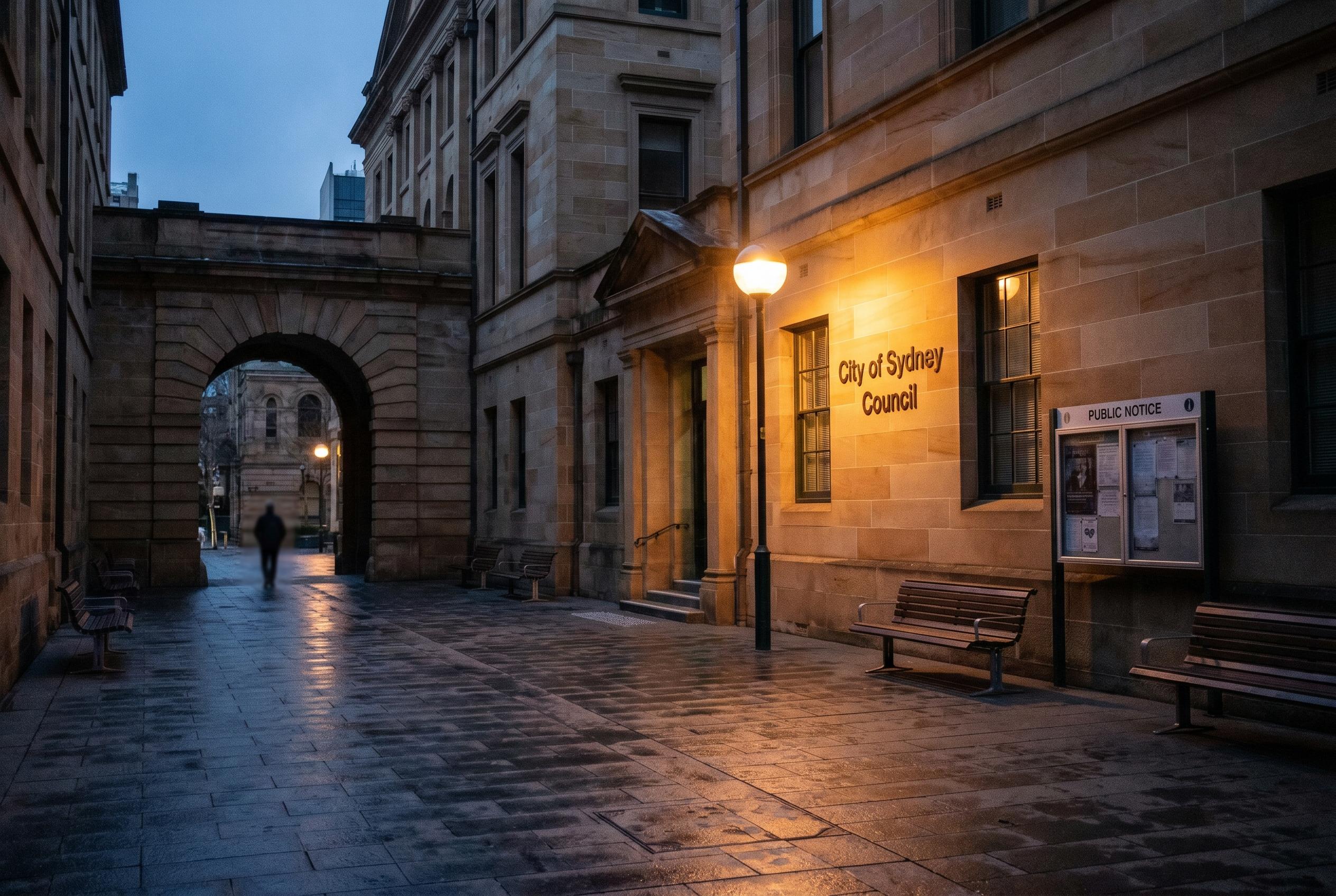
Shoppers, visitors and residents have watched Sydney councillors respond to a worrying rise in attacks , City of Sydney has voted to push for urgent state reform and better security briefings to keep LGBTQIA+ people safer. The motion signals local determination to act where victims and advocates say stronger laws and coordination are needed.
Essential Takeaways
- Council action: City of Sydney passed a motion calling on the NSW Government to urgently reform laws and strengthen responses to targeted violence against LGBTQIA+ people.
- Scope of incidents: Police data cited in the motion recorded 197 LGBTQIA+ hate-related violent incidents from 2023–2025, with 56 inside the City of Sydney and 36 involving dating apps.
- Extremism concern: A NSW parliamentary inquiry and academic research link a resurgent right-wing extremist network to assaults, raising fears of escalating targeted violence.
- Requests for briefings: The Council wants state and federal security agencies to brief councillors on the current threat profile for LGBTQIA+ communities.
- Human impact: Councillor Zann Maxwell highlighted a filmed attack on a 16-year-old bisexual Wiradjuri youth to underline the urgency and personal toll.
Why the council motion matters now
The City of Sydney vote feels urgent because the numbers are stark and local , 56 hate-related incidents inside the council area over two years is not an abstract statistic, it’s a neighbourhood problem. The motion asks the state to act faster and smarter, and asks security agencies to lay the threat out publicly for councillors. That level of scrutiny helps pressure decision-makers and gives residents a clearer sense of risk.
Councillor Zann Maxwell’s speech referenced a harrowing filmed ambush of a teenager, which brought a human face to the data. That detail landed with people in the chamber and on the public record, reminding everyone this isn’t only about policy , it’s about real young people feeling unsafe in parks and on apps.
How dating apps and online networks are part of the picture
Police figures noted in the motion show 36 incidents where dating or hook-up apps were used to lure victims, which is a chilling trend many people recognise from court reporting and community conversations. The digital step makes attacks easier to coordinate and harder to monitor, and footage shared online amplifies harm.
Practical advice: treat unknown meeting requests with caution, tell a friend when and where you’re meeting someone new, and meet in public, busy places. For parents and carers, talk early about online safety without scaring young people away from seeking connection.
The role of extremist networks and recent inquiries
A recent NSW parliamentary inquiry, echoed by university researchers, linked several assaults to a resurgent right-wing extremist network , the same milieu implicated in the Bondi attack. That connection shifts the issue from sporadic hate incidents to organised, ideological targeting, which demands a different response from police and counter-extremism agencies.
According to reporting and academic commentary, LGBTQIA+ people are, after Australian Jews, among the groups most at risk of violent extremist attack , a disturbing finding that underpins the Council’s push for law reform and better threat briefings.
What the motion asks state and federal authorities to do
The Council’s motion asks the NSW Government to accelerate legislative reform to tackle targeted violence and to ensure anti-extremism measures are prioritised. It also requests that state and federal security agencies brief the Council on threat profiles, which would make intelligence and risk assessments more accessible to local decision-makers.
This is a sensible step: local councils manage public spaces and services, so having up-to-date threat information helps them plan safer streets, events and youth services. It also creates political pressure for broader legal change at state level.
What this means for communities and next steps
For LGBTQIA+ communities, the motion is a visible sign that a major local authority is willing to press for change. It won’t stop violence on its own, but it sets expectations of accountability and coordination. Advocates will now be watching for government responses and any moves to strengthen anti-extremism laws and protections.
Keep an eye on state announcements and community safety updates, and consider supporting local groups that work on outreach and bystander training , small, practical measures can help individuals feel more secure while larger policy fixes are pursued.
It's a small change that can make every street and meeting spot a bit safer.
Source Reference Map
Story idea inspired by: [1]
Sources by paragraph: