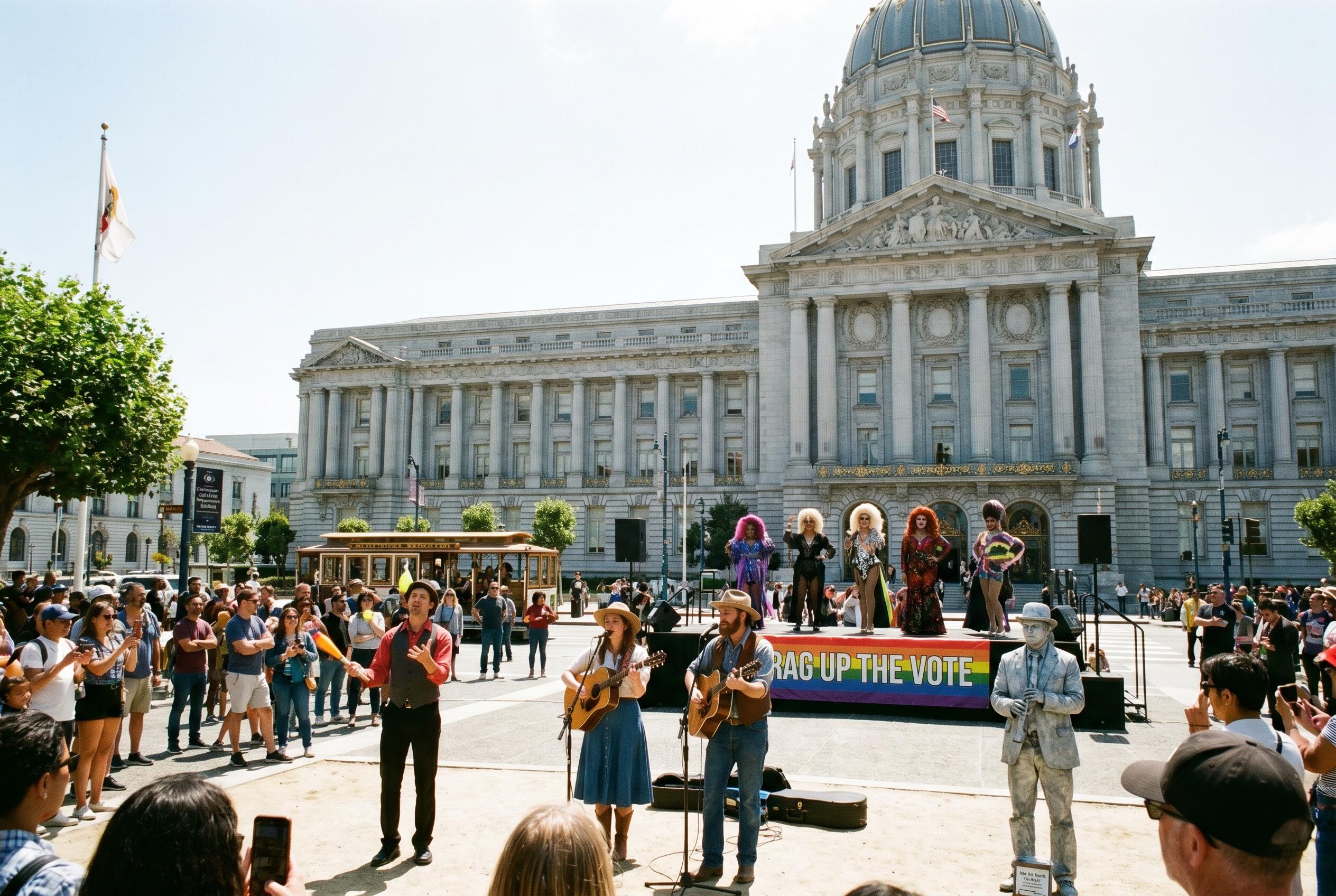
Shoppers of headlines and local parents have noticed San Francisco Unified School District leaning into Pride celebrations , with taxpayer money backing student events, workshops and support materials , and the debate matters because the district runs 120+ schools and a billion-dollar-plus budget.
Essential Takeaways
- Public funding: SFUSD promoted and hosted Pride Month activities that were publicly funded and open to students, including workshops and performances.
- Event content: Activities listed included drag makeup lessons, choir opportunities with the San Francisco Gay Men’s Chorus, and a parent support guide for caregivers of LGBTQ+ youth , practical, creative and visibly participatory.
- Transparency questions: Some event documents have been restricted from public view and the district did not respond to media requests about costs, prompting calls for disclosure.
- Budget context: SFUSD serves roughly 48,000–50,000 students and is working within a budget that projects revenues around $1.2 billion and planned expenditures near $1.3 billion, leaving a significant gap that colours spending scrutiny.
What happened and what people saw
Local documents and event listings show SFUSD rolling out a full Pride Month programme, billed as a recommitment to belonging and celebration. The district’s own announcements highlight weekend and in-school activities, and parents reported materials handed out that aim to support LGBTQ+ youth , some practical, some cultural. The programme is colourful and public-facing, with participatory offers such as arts workshops and chorus performances that feel celebratory and community-driven.
Parents and taxpayers, meanwhile, have been asking how much of this activity is funded by district coffers. The district hasn’t published a specific price tag for the Pride events, and that silence fuels concern among residents who want clarity on school spending and priorities.
Why the content is drawing both support and criticism
Supporters say these events provide crucial visibility and safe spaces for students who may feel isolated, and that arts and peer activities help mental health and school belonging. Schools have long supported identity-focused programming as part of broader inclusion work.
Critics argue school budgets should prioritise core instructional needs and question whether certain workshops , such as drag makeup lessons , are appropriate for a school-sponsored context. Those concerns sharpen because some related documents are reportedly restricted from public access, and because SFUSD has not publicly detailed event expenditures.
Budget backdrop: a tight fiscal picture
SFUSD serves tens of thousands of students across more than 120 schools and manages a budget north of a billion pounds , sorry, dollars , with projected expenditures outpacing revenues by a sizeable margin. More than 85% of the budget goes to staffing and benefits, which leaves relatively little wiggle room for extracurriculars when fiscal times are tight.
That doesn’t mean community or identity events can’t be funded, but it does explain why parents and watchdog groups are pressing for accountability. If district leaders want to avoid controversy, publishing cost breakdowns and funding sources is an obvious first step.
Transparency and public records: why access matters
The dispute deepened after some Pride-related documents were made less accessible to external reviewers. Restricted access to event materials raises reasonable questions about how decisions were made and how public funds were allocated.
Transparency isn’t just a box-ticking exercise; it gives the community confidence that programming reflects student needs rather than political priorities. If the district is investing in mental-health and inclusion resources, showing the receipts and the educational rationale would calm some critics and help allies make the case more persuasively.
How families and governors can respond practically
If you’re a parent or governor wanting clarity, ask for three things: a clear line-item of Pride-related spending, the educational objectives tied to each activity, and the approval path used for the events. Attend school board meetings and request public records formally , it’s the fastest way to get specifics rather than rely on speculation.
For families navigating the content at home, district guides that recommend strategies like “worry dumping” alternatives can be discussed with counsellors or parent groups so caregivers can respond in ways that feel comfortable and age-appropriate.
It's a small but important conversation about priorities, visibility and public accountability.
Source Reference Map
Story idea inspired by: [1]
Sources by paragraph: