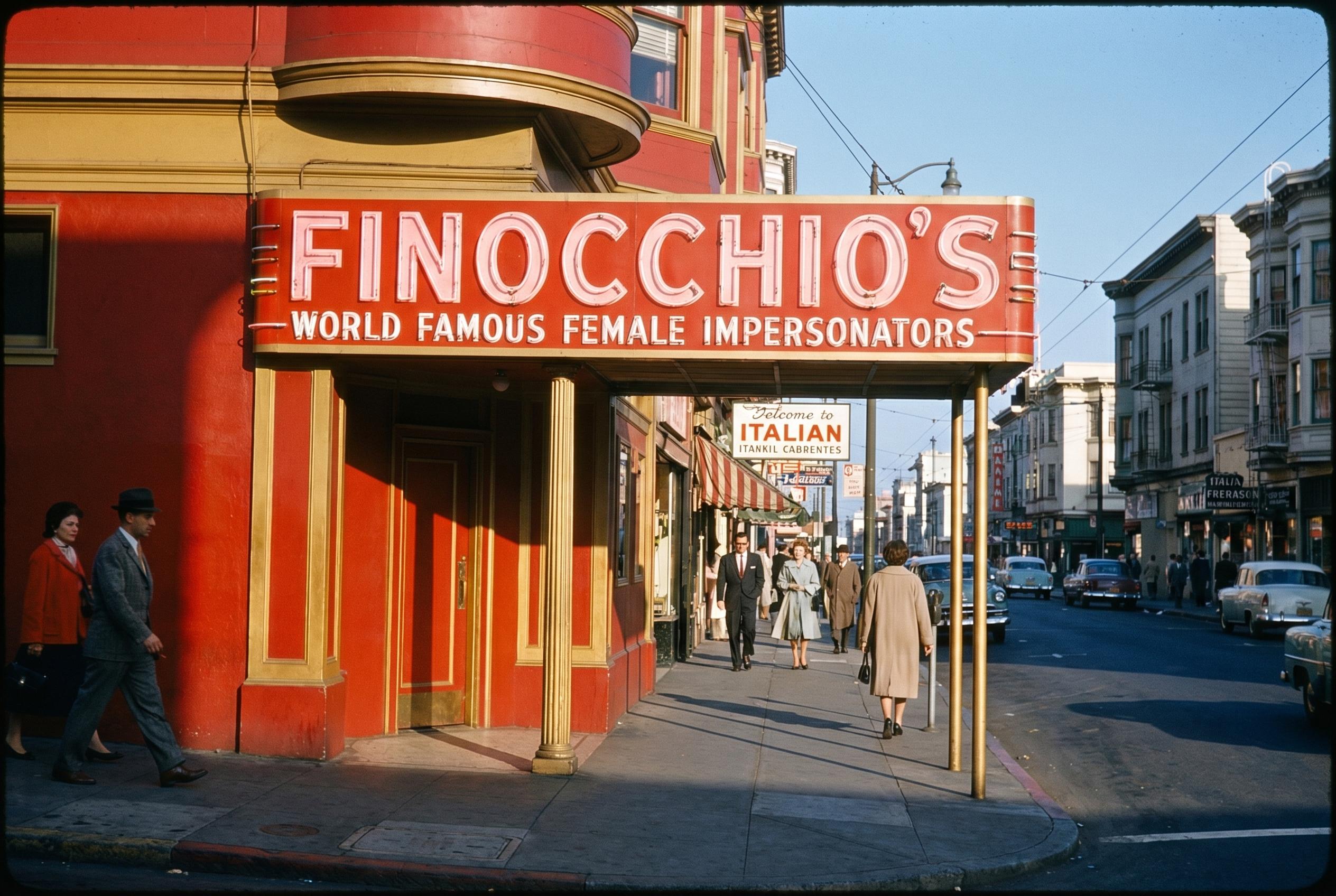
Shoppers of history are taking notice as San Francisco moves to landmark a clutch of buildings tied to LGBTQ life , from Finocchio’s cabaret to Beach Blanket Babylon’s Fugazi Building , protecting places that shaped queer nightlife, art and community across decades. Here’s what to know and why it matters.
Essential Takeaways
- Historic push: The Board of Supervisors voted 10-0 to send 12 candidate properties to the preservation commission for landmark review, a key step toward official protection.
- Queer-cultural icons: Proposed sites include Finocchio’s former home, Mona’s Candle Light, Vesuvio Cafe and the Fugazi Building , places with long queer, trans and drag associations.
- Art and architecture: The list also highlights design landmarks, notably a Masonic temple with a striking endomosaic by gay artists Emile Norman and Brooks Clement.
- Why now: The landmarking drive responds to recent upzoning and development pressure, aiming to shield cultural sites from demolition or insensitive redevelopment.
- What to expect: Landmarks require two supervisor votes and the mayor’s sign-off before joining the city’s official register; timing may align with Pride Month hearings.
Finocchio’s: a drag institution worth saving
Finocchio’s was more than a nightclub; it was a sensory, theatrical experience where glitter, wigs and punchy humour met piano-bar glamour, and generations of locals and visitors found escape. Many performers blurred lines of gender and identity long before those terms were common in public conversation. According to historical accounts, the club’s long run made it a touchstone of North Beach nightlife and queer performance culture. As preservationists argue for landmarking the building at 500–508 Broadway, the move would give a visible nod to drag and queer performance as serious cultural heritage , not just nightlife nostalgia. If you’re picking which sites to champion, consider how landmark status can preserve the stage as well as the story.
Beach Blanket Babylon’s Fugazi Building: spectacle and satire
For 45 years Beach Blanket Babylon turned outrageous hats and up-to-the-minute satire into a San Francisco institution, and the Fugazi Building at 678 Green Street is inseparable from that legacy. Fans remember the show’s shimmering, oversized headpieces and the giddy, often queer-flavoured irreverence. Landmarking the Fugazi Building recognises popular theatre’s place in civic memory, and it protects a stage where performers , many of them gay , pushed costume and comedy to theatrical extremes. If you loved the show, this is about keeping the physical memory where so many laughed, groaned and applauded.
Drinks, beats and queer gathering spots: Mona’s and Vesuvio
Not every landmark is about a single performer or play; some are about the regulars and the atmosphere. Mona’s Candle Light and Vesuvio Cafe are classic examples , neighbourhood watering holes where queer, trans and Bohemian crowds mixed with writers, artists and activists. Those bars gave people a place to be seen and to organise, sometimes quietly and sometimes loudly. Preserving the buildings that housed them preserves a social geography of community life: where friends met, networks formed and culture incubated. When choosing a place to visit, note the soft, lived-in feel these bars still carry.
Architecture and art: the Masonic temple’s endomosaic
Landmark picks aren’t only about nightlife. The Masonic temple on California Street, designed in 1958, houses an almost cinematic endomosaic by Emile Norman and Brooks Clement that stretches along the foyer wall. The artwork’s symbolism and craft make it a local marvel, and its creators’ queer partnership adds another layer to the building’s cultural value. Formal landmark status would protect both the Miesian structure and its interior artwork, ensuring future visitors can still encounter that quiet, luminous moment of mid-century design and queer creative labour.
Why the timing matters and what to expect next
City supervisors have fast-tracked nominations partly because recent upzoning makes demolition and dense infill more likely. Landmark status doesn’t freeze a building in amber, but it does add review processes and protections that make wholesale redevelopment harder. The preservation commission will weigh each nomination, then supervisors must vote twice and the mayor must sign off. Momentum suggests some decisions could land around Pride Month, making the spring a symbolic crossroads for history and development. For community advocates, the key tactic is showing public support and documenting why each place matters beyond nostalgia.
It's a small set of buildings, but landmarking them could make a big difference to how San Francisco remembers queer life.
Source Reference Map
Story idea inspired by: [1]
Sources by paragraph: