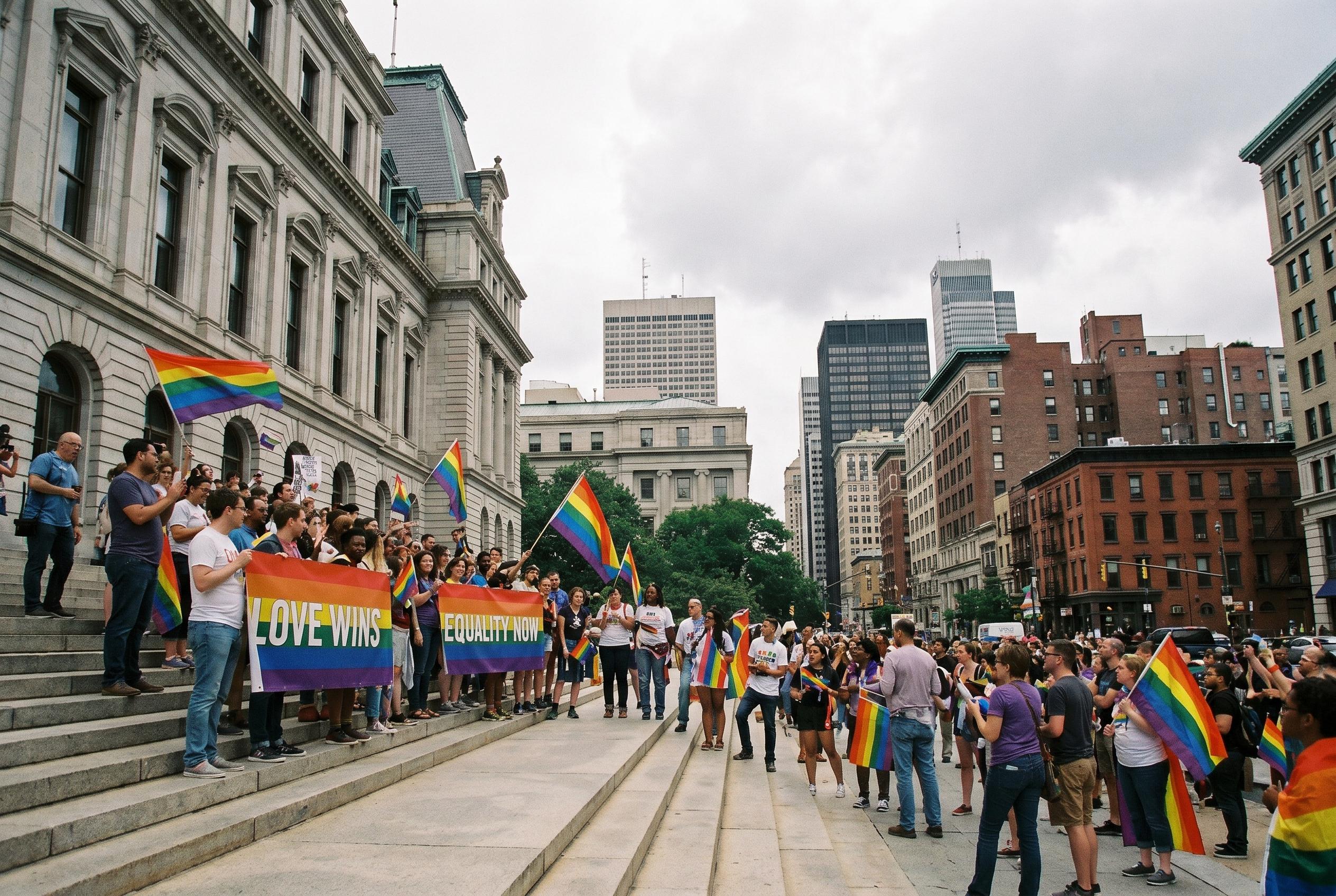
Shocked observers and civil rights advocates are rallying after the Department of Justice filed charges against the Southern Poverty Law Center; community groups including GLAD Law have issued forceful statements defending the SPLC and warning that the move could chill civil-rights work nationwide.
Essential Takeaways
- DOJ action: Federal prosecutors brought criminal charges alleging fraud and false statements against the Southern Poverty Law Center, prompting widespread scrutiny.
- GLAD Law stance: GLBTQ Legal Advocates & Defenders publicly pledged solidarity with the SPLC, calling the lawsuit an attack on civil-rights institutions.
- Broader concern: Legal and advocacy groups say the case risks politicising civil-rights enforcement and deterring organisations that monitor hate.
- Practical impact: Donors, partners and smaller advocacy groups face uncertainty; some may reassess compliance, recordkeeping and governance.
- Public mood: The statements from rights groups signal a unified defensive posture and a likely legal, political and public-relations fight ahead.
What the DOJ charged and why people are uneasy
The Justice Department announced a federal grand jury indictment alleging wire fraud and false statements tied to the SPLC’s activities, a move that surprised many in the civil-rights sector and beyond. Reporters at Reuters and The Guardian noted the rarity of criminal charges against a major civil-rights charity, which is why the news landed so heavily among lawyers and donors. For many advocates the charge feels less like routine enforcement and more like a direct challenge to organisations that document hate and extremism.
Context matters here: the SPLC has for decades been a high-profile monitor of white-nationalist groups and a resource for victims of hate. That history explains the visceral reaction among peer organisations, who worry this could set a precedent for future prosecutions of non-profits doing politically sensitive work.
GLAD Law’s response: solidarity and an alarm bell
Ricardo Martinez, executive director of GLBTQ Legal Advocates & Defenders, issued a pointed statement that framed the indictment as an attack on the idea of equal protection itself. GLAD Law described the lawsuit as an attempt to “weaponise and rewrite civil rights history” and pledged not to capitulate. That sort of public solidarity matters: it signals to supporters and funders that key groups will defend one another and push back in court and in public debate.
This reaction also serves a tactical purpose. When peer organisations rally, it shifts some of the legal contest into the arena of public opinion and fundraising, where the SPLC has traditionally been strong.
How legal and professional bodies are weighing in
National legal organisations and criminal-defence groups are watching closely. The National Association of Criminal Defense Lawyers and other legal commentators emphasise that criminal prosecutions require robust proof and careful procedure; they’re reminding the public that accusations need to be tested in court. Meanwhile, news outlets and legal analysts are parsing the indictment for specifics about alleged misstatements and fundraising practices.
For advocacy groups, the takeaway is practical: tighten governance, review fundraising disclosures and keep meticulous records. If nothing else, the case is a wake-up call for charities to revisit their compliance practices.
What this could mean for donors, partners and smaller charities
Donors tend to be fickle when headlines flash red. Even where allegations are unproven, public scrutiny can cost time, money and trust. Non-profits that partner with the SPLC may be fielding questions and reassessing collaborations. Smaller organisations, especially those doing on-the-ground monitoring of hate groups, may feel most exposed and consider pausing high-profile work until the legal fog clears.
A sensible response, for any organisation, is practical rather than panicked: review board minutes, update grant reporting, and consult counsel about media statements. Transparency goes a long way to reassure both funders and the public.
What to watch next: courtroom, politics and public opinion
This story will play out on three stages. First, the courtroom: prosecutors will need to make a persuasive case, and defenders will press procedural and evidentiary arguments. Second, the political arena: lawmakers and presidential appointees may use the case to score points or call for broader oversight. Third, the court of public opinion: statements from groups like GLAD Law and others will shape media narratives and donor sentiment.
Expect a barrage of legal filings, fund-raising appeals and op-eds. For civil-rights watchers, the most important question is whether this becomes a one-off prosecution or a new tool deployed against advocacy organisations more broadly.
It's a small change that could make a big difference to how civil-rights work is done and defended.
Source Reference Map
Story idea inspired by: [1]
Sources by paragraph: