Spot a pattern: April 29 is quietly packed with queer cultural turning points. From the soft-laced genius behind Duke Ellington’s sound to a Broadway show that stripped the rules bare, these moments remind us how influence often lived in the margins, and why that still matters.
Essential Takeaways
- Musical partnership: Billy Strayhorn’s compositional gifts gave Duke Ellington signature songs like “Take the ‘A’ Train,” adding a lush, intimate sensibility to big-band jazz.
- Coded cinema: Alfred Hitchcock’s films used queer subtext and outsider themes to build suspense and emotional complexity.
- Countercultural breakthrough: Hair’s Broadway transfer in 1968 brought frank sexuality and pansexual energy to mainstream theatre.
- Glam rock influence: Mick Ronson’s work with David Bowie helped normalise and celebrate gender-bending performance styles.
- Media visibility: The BBC’s 1993 airing of The Gay Show marked early national broadcasting recognition of LGBTQ+ life in the UK.
Why Billy Strayhorn’s touch still feels modern
Strayhorn’s arrangements have a soft, aching elegance that registers the moment you hear them; they’re intimate and orchestral at once. According to jazz archives and museum biographies, he wrote or co-wrote core Ellington pieces and lived openly with his partner in a period when that was daring. His role was more than accompanist work , it reshaped what big-band sound could be. For anyone choosing recordings, pick albums credited to Ellington–Strayhorn to hear the duo’s full palette. Scholars and listeners keep returning to Strayhorn’s notebooks for the nuanced harmonies that still sound oddly contemporary.
Hitchcock’s queer subtext: tension as coded conversation
Alfred Hitchcock’s films reward a detective’s eye for small gestures, and queer scholars have long mapped those gestures as deliberate tools of tension. Critics point to Rope’s homoerotic undercurrent, Rebecca’s simmering obsessions, and Psycho’s oedipal knots as examples of how the director used “otherness” to unsettle audiences. Watching Hitchcock today is partly an archaeology of subtext , you’re looking for the things the Production Code forced him to leave unspoken. If you’re introducing someone to his work, start with a comfort in ambiguity; the films are less about answers than the sensations they provoke.
When Hair hit Broadway: a cultural wardrobe malfunction
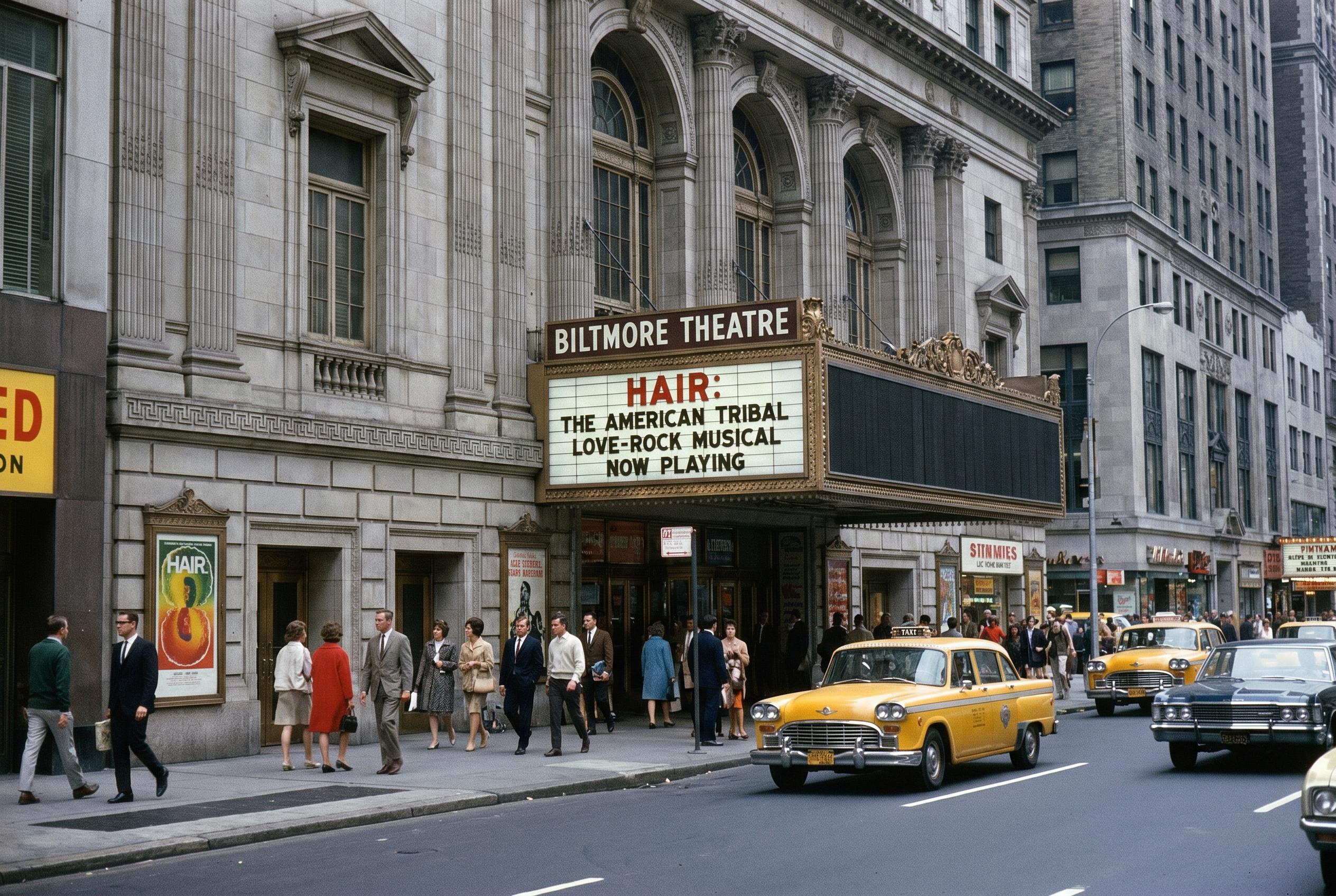
Hair’s arrival at the Biltmore Theatre in 1968 felt like a riotous exhalation. It didn’t just court controversy with nudity; it foregrounded sexual fluidity and anti-establishment politics in a mainstream house. Theatre historians note the show’s unapologetic language and loosely structured scenes as a deliberate break from tidy narratives. For communities craving visibility, Hair’s success proved Broadway could host dissent and queerness at once. If you’re exploring cultural milestones, see it as a signpost: when the mainstream opens its doors, the rules get rewritten.
Mick Ronson and the grimace that became glamour
Mick Ronson’s guitar lines were raw, precise and flirtatious in equal measure, and his onstage chemistry with David Bowie offered a template for performative intimacy between men. Music historians credit Ronson with helping to translate Bowie’s theatrical ideas into hard rock textures that made glam’s gender play feel muscular rather than fragile. For modern acts riffing on gender and persona, Ronson’s legacy is a reminder that supporting players can redefine an era’s aesthetic. Seek out live footage from the early 1970s to see how posture and proximity carried as much meaning as lyrics.
The BBC, The Gay Show, and why national airtime matters
In 1993, a nationally broadcast programme like The Gay Show on BBC Radio 5 was more than entertainment , it was a signal that voices from queer communities could reach beyond local networks into living rooms across the country. For listeners in isolated places, that airwave contact eased loneliness and fostered community. Media historians view those early broadcasts as incremental but crucial steps toward broader representation. If you care about access, remember that small programming decisions can open large doors.
It's a small change that makes every hidden influence feel visible.
Source Reference Map
Story idea inspired by: [1]
Sources by paragraph: